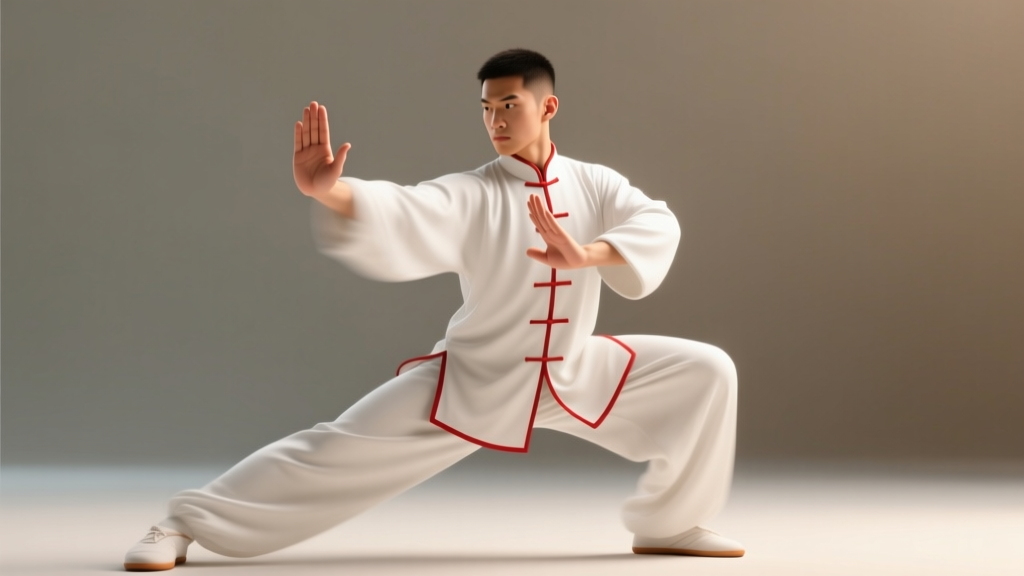
Wushu Rules Guide: Essential Regulations & Standards
Wushu, an intricate and celebrated martial art originating from China, has seen a remarkable evolution from its historical roots to a global sports phenomenon. This comprehensive guide delves into the various facets of Wushu, including its history, rules, environment, and professional aspects. Whether you're a novice or an experienced practitioner, this detailed exploration will illuminate the complexities and beauty of this ancient discipline. Through understanding its technical elements, professional settings, and terminology, readers can gain an insightful perspective on what makes Wushu a unique and engaging sport.
Introduction
Wushu, commonly referred to as Chinese martial arts, comprises a variety of combat styles that developed over centuries in China. Its roots are deeply embedded in the philosophical and military traditions of Chinese culture, dating back to ancient China when warriors practiced Wushu for self-defense and physical training. As a discipline, Wushu has continuously evolved, incorporating both martial (fighting) and artistic (performance) elements, thereby leading to its recognition as both a competitive and aesthetic sporting event. The global popularity of Wushu skyrocketed as it was featured in international action films and celebrated in global competitions, further amplified by China's efforts to promote its cultural heritage. Today, Wushu enjoys a substantial following across Asia, Europe, and the Americas, with dedicated sports associations founded in numerous countries to promote the practice and understanding of Wushu. Major competitions in the Wushu sphere include the World Wushu Championships, organized by the International Wushu Federation (IWUF), the Asian Games, and other international and continental events. These competitions feature diverse categories that showcase both Taolu (forms) and Sanda (sparring) disciplines, capturing the artistic expression and the combative spirit of Wushu practitioners. Notable figures in the history and modernization of Wushu include Jet Li, who gained international fame through films that highlighted his Wushu prowess, and Yuan Xiaochao, a champion Wushu practitioner renowned for his excellence in Taolu forms. These figures, along with many others, have played pivotal roles in bringing Wushu into the global spotlight. Recent developments in the world of Wushu focus on enhancing the competitive aspects of the sport while preserving its rich tradition. Efforts have been made to standardize rules and scoring systems to facilitate fair and transparent judging processes, encouraging broader participation in Wushu competitions worldwide.Basic Rules and Gameplay
The core objective of Wushu varies slightly between its two main components: Taolu and Sanda. In Taolu, practitioners aim to perform a series of predefined movements with precision, grace, and muscle control to receive the highest possible scores from judges. Conversely, in Sanda, the objective is to outmatch the opponent through effective strikes, grappling, and tactical control.- Basic Rules Breakdown: In Taolu, athletes are judged on the quality of their form, stances, speed, and overall execution of movements. Sanda is governed by combat rules that prohibit certain actions such as throat strikes and emphasize controlled techniques.
- Scoring System: Scoring in Taolu is based on technical quality and artistic merit, with deductions for errors or lack of fluidity. In Sanda, points are awarded based on the successful landing of strikes and controlled throws.
- Game Duration: A typical Taolu routine lasts between one to three minutes, depending on the specific form. Sanda matches are conducted in rounds, usually lasting two to three minutes each.
- Playing Positions: In Taolu, positions refer to various stances and postures essential to executing forms. Sanda positions involve offensive and defensive stances used in combat.
- Team Composition: Wushu can be performed solo or as part of a team, particularly in choreographed group routines in Taolu competitions.
- Basic Strategies: Strategies in Taolu focus on maximizing the aesthetics and fluidity of movements, while Sanda strategies prioritize using an opponent's weaknesses to gain an advantage through tactical movement and strikes.
- Essential Skills: Key skills include flexibility, balance, speed, and strength for Taolu, combined with agility, reflexes, and endurance crucial for Sanda.
Playing Environment
Wushu is typically performed in specific environments that accommodate the diverse requirements of its disciplines.- Field/Court Dimensions: Wushu events are usually held on a 14x8 meter carpet for Taolu and a similar-sized Lei Tai platform (raised arena) for Sanda.
- Surface Requirements: The surface should offer sufficient grip yet minimal friction to enable dynamic movements and prevent injuries.
- Equipment Specifications: Competitors utilize specialized uniforms (typically silk apparel in Taolu) and protective gear like gloves and headgear in Sanda.
- Venue Requirements: Venues should provide ample space for movement and ensure spectator visibility and referee oversight. Additionally, safety measures must be in place.
- Environmental Conditions: Controlled temperature and humidity levels are critical to maintaining athlete comfort and performance.
- Safety Considerations: Strict adherence to guidelines regarding equipment checks and match conduct is vital to ensure participant safety.
Detailed Rules and Regulations
The regulations in Wushu are intricate and strictly enforced to maintain fairness and safety across its varied events.- Comprehensive Rules Explanation: Taolu involves a comprehensive set of guidelines covering the execution of movements, criteria for evaluation (including difficulty, precision, and performance), and routines’ time limits. Sanda rules cover allowable techniques, rounds, and methods to win a match, such as scoring points or knockouts.
- Common Violations: In Taolu, common errors include loss of balance and incorrect postures. In Sanda, illegal actions involve strikes to prohibited areas or excessive force that endangers opponents.
- Penalty System: Penalties may involve point deductions or disqualification, based on the severity of rule infractions.
- Special Situations: Situations like equipment failure or injuries may necessitate pauses handled by referees per established protocols.
- Official Signals: Referees use hand signals to indicate actions like point awards, violations, and match pauses.
- Time Management Rules: Time restrictions are strictly observed, with explicit directives for the start and end of rounds and routines.
- Substitution Procedures: In team events, specific rules govern substitute participation and their timing.
- Challenge/Review Systems: While mainly observational, challenges can arise in scoring when discrepancies need reviewing, which might require video analysis.
Technical Elements
Wushu's technical elements distinguish it as a multifaceted martial art requiring diverse skill sets.- Fundamental Techniques: Include a variety of kicks, punches, jumps, and stances pivotal to mastering Taolu and executing Sanda strategies.
- Advanced Skills: Advanced techniques in Taolu involve intricate weapon handling and aerial maneuvers. In Sanda, high-level skills include executing complex grappling and counter-strategies.
- Training Methods: Training encompasses a mix of strength conditioning, flexibility routines, sparring sessions, and technique refinement.
- Common Tactics: Tactics vary from precision strikes and defense in Sanda to seamless transitions between movements in Taolu.
- Team Formations: While solo performances dominate Taolu, team formations are significant in synchronized routines requiring coordination.
- Strategic Approaches: Strategy in Wushu relies on leveraging individual strengths, adapting to opponents' weaknesses, and maintaining rhythm within forms.
- Performance Analysis: Analysis often involves reviewing match videos to pinpoint areas of improvement, ensuring continual development.
Official Roles and Responsibilities
The successful orchestration of Wushu events requires various official roles, ensuring the integrity and smooth operation of competitions.- Referee Duties: Referees enforce rules, assess performance, and maintain participant safety and conduct fairness.
- Supporting Officials: Includes judges, timekeepers, and scorekeepers tasked with objective performance evaluation and timing accuracy.
- Team Officials: Coaches and managers offer strategic planning, athlete guidance, and logistical support to performers.
- Technical Staff: Facilitates equipment management, site preparation, and technology utilization at events.
- Medical Personnel: Provide on-site medical support, addressing injuries and ensuring adherence to health guidelines.
- Match Delegates: Oversee event coordination, ensuring regulations adherence, participant organization, and conflict resolutions.
Professional Aspects
Engagement in professional Wushu requires adherence to competitive structures and standards of performance excellence.- Major Leagues: Includes national championships, international competitions, and professional circuits like the Wushu World Cup organized by the IWUF.
- Tournament Structures: Often feature elimination formats for Sanda or judged rounds in Taolu, encompassing regional qualifiers leading to global finals.
- Professional Requirements: Professionals are expected to maintain rigorous training schedules, comply with anti-doping regulations, and pursue continual skill enhancements.
Terminology and Jargon
Understanding the terminology in Wushu is crucial for those engaged in or following the sport.- Complete Glossary: Includes terms like "Taolu" (forms), "Sanda" (sparring), "Jibengong" (basic skills), and "Nanquan" (Southern fist style).
- Technical Terms: Terms such as "Baguazhang," indicating a martial art style, and "Qinna," referring to joint locks, are vital technical terms.
- Tactical Terminology: Involves strategies like "Zanshen," meaning agility and movement control.
- Equipment Vocabulary: Names of weapons like "Dao" (broadsword) and "Gun" (staff) reflect training equipment essential for practitioners.
- Official Terminology: Official terms such as "Tatami" (competition mat) and "Lei Tai" (elevated fighting platform) are used during competitions.
Wushu stands as a powerful testament to the fusion of martial discipline and aesthetic grace, embodying centuries of tradition and innovation. Understanding its complexities—from intricate rules to technical intricacies—offers invaluable insight into this captivating martial art. As Wushu continues to evolve, fostering its global community, the fusion of competitive sport and cultural heritage exemplifies the timeless appeal of Wushu. By engaging with its community, aspiring practitioners can embrace both the discipline and artistry that define Wushu's enduring legacy.
More Articles
 LSU Baseball Today: Time, TV, & How to Watch
 How Many Players on a Volleyball Court? Full Breakdown
 What Does Bounce Mean on a Golf Wedge?
 Watch Baseball 2026: Live Streams, TV & Free Options
 What Stadium Is the Cotton Bowl Played In?
 How Much Does a Pro Wrestler Make? (2025 Salaries)
 Who Won Super Bowl 2025? Chiefs Beat 49ers 28-24
 Super Bowl 2025 Kickoff Time: What You Need to Know
 Who Is the Current Heavyweight Boxing Champion?
 How Long Are Wrestling Matches? By Level & Style