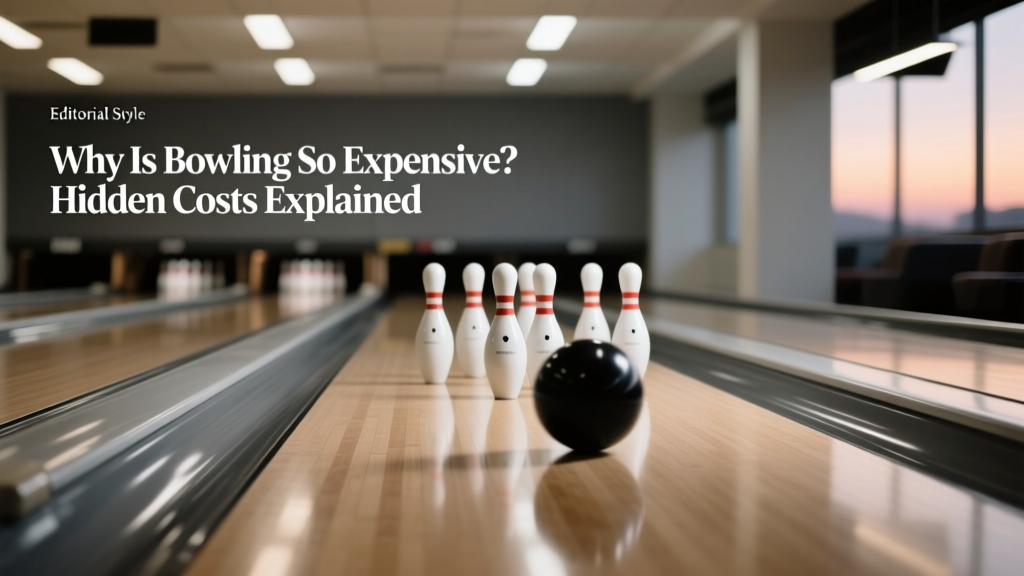
Why Is Bowling So Expensive? Hidden Costs Explained
Bowling is expensive due to high operational costs including lane maintenance, facility upkeep, staffing, and equipment. Additional factors like peak-time pricing, location premiums in urban areas, and added services such as shoe rentals and food/bar offerings further increase per-game prices.
Why Bowling Costs More Than You Expect
Bowling may seem like a simple recreational activity, but the cost per game often surprises first-time visitors. Prices vary widely by region and time of day, with urban bowling alleys charging $8–$15 per game during peak hours. Understanding what drives these prices helps explain why bowling isn't as affordable as it once was.
Key Factors That Increase Bowling Prices
- High electricity and HVAC costs to maintain indoor climate
- Labor expenses for staff managing lanes, pro shops, and concessions
- Regular maintenance of automated pin-setting machines and lane oiling systems
- Premium real estate in shopping or entertainment districts
- Additional revenue models like food, drinks, and party packages
Breakdown of Bowling Alley Operating Expenses
Running a modern bowling center involves significant fixed and variable costs. Unlike simpler recreation venues, bowling alleys rely on complex mechanical systems and large indoor spaces, both of which are costly to operate.
Maintenance and Equipment Costs
Lane surfaces require regular sanding, oiling, and refinishing every few years. Pinsetters and ball return systems need routine servicing to avoid downtime. A single lane conversion or major repair can cost thousands of dollars annually.
Staffing and Labor Overhead
Bowling centers employ multiple roles: front desk staff, mechanics, waitstaff (if food service is offered), and managers. In regions with higher minimum wages, labor can account for over 40% of operating costs.
Facility and Utility Expenses
A typical bowling alley spans 15,000–30,000 square feet. Heating, cooling, lighting, and powering electronic scoring systems lead to substantial monthly utility bills, especially in extreme climates.
| Expense Category | Average Annual Cost (USD) | Notes |
|---|---|---|
| Lane Maintenance (per lane) | $1,200 | Including oil, cleaning, sanding |
| Pinsetter Repairs (annual avg.) | $3,500 | Per machine, varies by age |
| Monthly Utilities (avg. center) | $6,000 | Electricity, water, HVAC |
| Full-Time Employee (annual) | $35,000 | Includes wages, benefits, training |
| Shoe Rental System Maintenance | $1,800 | Cleaning, sanitizing, replacement |
| Annual Roof & Flooring Repair | $7,200 | Preventative and emergency fixes |
The data shows that mechanical upkeep and staffing represent the largest ongoing expenses. For example, a 24-lane center could spend over $50,000 annually just on lane and pinsetter maintenance. These hidden costs are passed on to customers through game pricing and service fees.
How Location and Demand Affect Pricing
Urban bowling alleys located in high-traffic malls or entertainment zones charge premium rates due to rent and foot traffic expectations. Peak hours (evenings and weekends) often see prices 30–50% higher than weekday afternoons.
Time-Based Pricing Models
- Weekday daytime: $5–$7 per game
- Evenings and weekends: $9–$14 per game
- Special events or leagues: discounted bulk rates
- Late-night bowling: includes music and drink specials, priced higher
Added Revenue Streams
Modern bowling centers increasingly rely on ancillary income:
- Food and bar sales (high-margin items)
- Private party bookings with minimum spends
- Rental of entire sections for corporate events
- Pro shop sales (balls, bags, accessories)
Frequently Asked Questions About Bowling Costs
Why do bowling shoes cost extra?
Bowling shoes are required to protect the lanes from street debris and damage. The rental fee covers cleaning, sanitization, repairs, and eventual replacement of the specialized soles designed for smooth sliding and stopping.
Is bowling more expensive now than in the past?
Yes, adjusted for inflation, bowling prices have risen significantly. In the 1990s, a game cost around $2–$3; today, the average is $7–$10. Rising operational costs and reduced number of alleys have contributed to higher prices.
Do bowling leagues offer better value?
Yes, league bowling typically includes discounted per-game rates, prize funds, and social structure. Many centers offer weekly packages for $15–$25 covering 3 games and shoe rental, making it more economical than casual play.
Can you bowl without paying for shoes?
You can avoid shoe rental fees by purchasing your own bowling shoes. After about 5–7 visits, owning shoes becomes cost-effective and improves hygiene and performance.
What's included in a typical bowling game price?
The base price usually includes lane time (not per game), scoring system use, and sometimes free practice balls. Shoe rental is almost always separate unless part of a package deal.
More Articles
 When Was Tennis Started? Origins & Evolution Explained
 How Long Do Baseball Games Last? (2025 Data)
 When Did Aaron Rodgers Win the Super Bowl?
 How Much Does an MMA Fighter Earn? (2025 Data)
 How To Start Guides: A Practical, Evidence-Based Framework for Building Effective Onboarding Resources
 What Do the Numbers on Golf Clubs Mean?
 Who Won the Super Bowl in 2022? Full Recap & Stats
 How Many Pitchers on a Baseball Team in MLB?
 Why We Love Baseball: Tradition, Strategy & Legends
 Why Do Baseball Players Chew Gum? Top Reasons Revealed