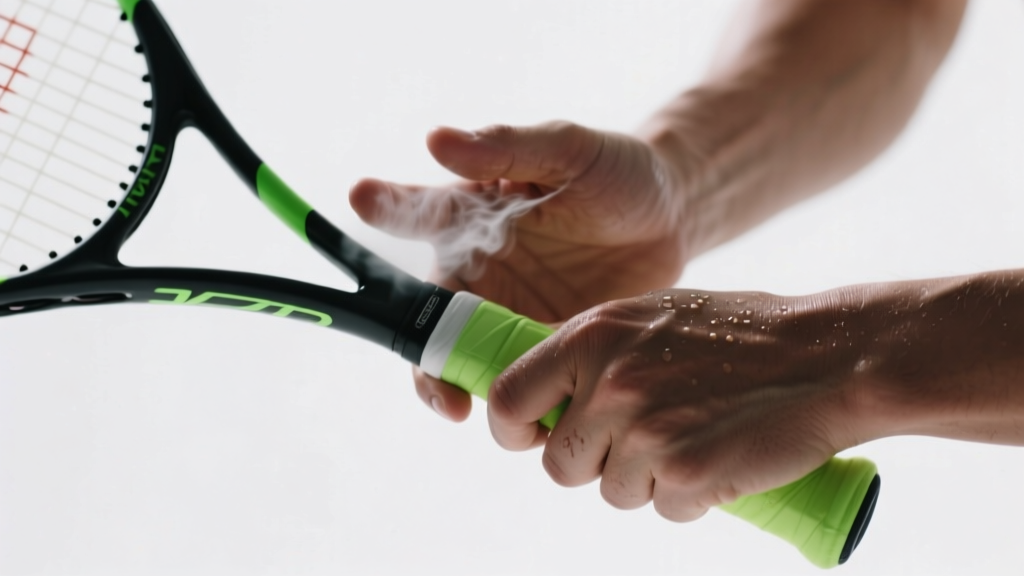
Tennis Players Blow on Hands: Grip & Heat Explained
Tennis players blow on their hands primarily to regulate grip temperature and manage moisture, enhancing racket control during intense play.
Why Do Tennis Players Blow on Their Hands?
Blowing on the hands is a common sight during tennis matches, especially in hot or humid conditions. The primary reason players do this is to cool their palms and reduce sweat buildup, which can compromise grip stability. By lowering hand temperature and evaporating excess moisture, players maintain a firmer hold on the racket, improving shot accuracy and reducing slippage risks.
The Science Behind Hand Blowing in Tennis
Thermoregulation plays a critical role in athletic performance. Even slight increases in hand temperature can lead to increased perspiration, affecting tactile sensitivity and grip strength.
Key Physiological Factors
- Palmar sweating: Hands are among the most sweat-prone areas due to high concentrations of eccrine glands.
- Grip performance: Moisture reduces friction between skin and racket handle, increasing slippage risk. \li>Neuromuscular control: Cooler hands improve nerve conduction and fine motor coordination.
When Do Players Blow on Their Hands?
This behavior typically occurs during changeovers, after intense rallies, or in high-heat conditions. It's more prevalent in outdoor tournaments where environmental factors like sun exposure and humidity amplify sweating.
- Between points during hot matches
- After long baseline exchanges that generate body heat
- When switching sides in sunny conditions
- During tiebreaks under pressure
- When adjusting grip or replacing overgrips
Alternative Grip Management Techniques
While blowing on hands is instinctive, professionals use multiple strategies to maintain optimal grip:
| Technique | Purpose | Used By | Effectiveness (Scale 1–5) |
|---|---|---|---|
| Blowing on hands | Cooling & drying palms | Novak Djokovic, Iga Świątek | 4 |
| Towel drying | Remove visible sweat | Most ATP/WTA players | 5 |
| Overgrip replacement | Restore tackiness | Rafael Nadal, Serena Williams | 5 |
| Powder or resin use | Absorb moisture | Some doubles players | 3 |
| Frequent grip adjustment | Prevent shifting | All levels | 4 |
The data shows that while blowing on hands is effective, it ranks just below towel drying and overgrip replacement in overall utility. However, its immediacy makes it a go-to micro-cooling tactic during active play when towels aren't accessible.
Frequently Asked Questions About Why Tennis Players Blow on Their Hands
Is blowing on hands allowed under tennis rules?
Yes, blowing on hands is completely legal and not regulated by the ITF or ATP/WTA rulebooks. It’s considered a personal thermoregulation method and does not violate unsportsmanlike conduct policies.
Do all tennis players blow on their hands?
No, not all players do. While common among professionals, usage varies by individual preference, climate, and grip style. Players like Rafael Nadal prefer frequent towel use and overgrip changes instead.
Does blowing on hands really make a difference in performance?
Yes—studies show even a 1°C reduction in palm temperature can decrease sweat production by up to 12%, improving grip security and reducing error rates during long rallies.
Can blowing on hands cause hygiene issues?
In theory, yes—saliva can carry bacteria, but no documented cases exist of infections spreading via this practice. Most players blow air without direct spittle contact, minimizing risk.
Are there better alternatives than blowing on hands?
Towel drying and using absorbent overgrips are more effective. Some players also use rosin bags (common in baseball) though these are rare in professional tennis due to texture preferences.
More Articles
 How Many Players Play Volleyball? Full Breakdown
 How Far Are Bases in Baseball? 90 Feet Explained
 How Many People Play in the Masters Golf Tournament?
 Most Valuable Baseball Card: T206 Honus Wagner
 Who Owns Takomo Golf? Founders & Company Overview
 Where to Buy Bowling Balls: Best Places & Tips
 How Many Super Bowl Wins for Mahomes? (2025 Update)
 How Much Does Boxing Make? Fighter Earnings Explained
 2026 Pro Bowl Location: Orlando Confirmed
 Why Is the Super Bowl on a Sunday?