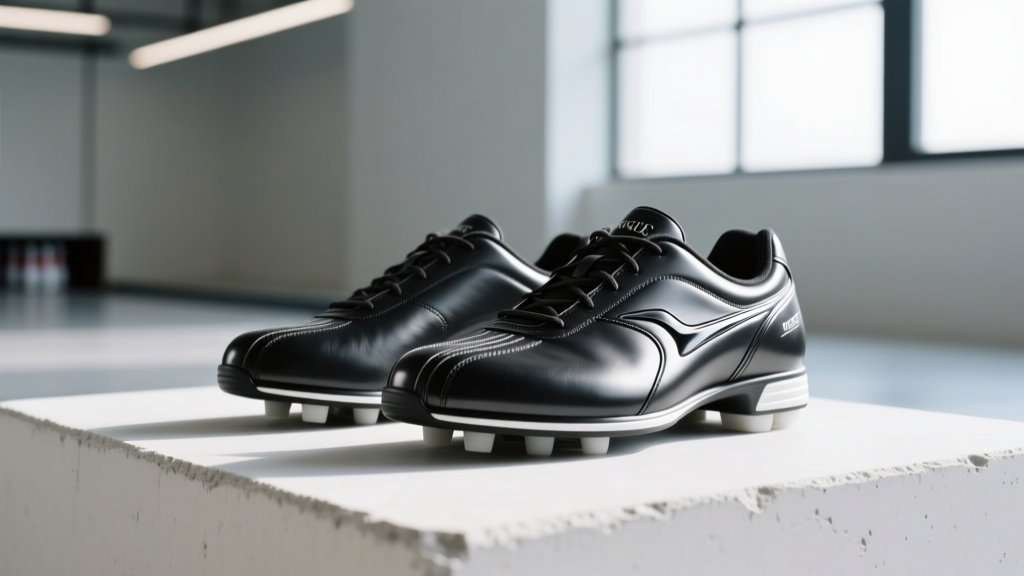
Why You Must Wear Bowling Shoes
Wearing bowling shoes is required to protect the lanes, ensure player safety, and maintain fair play by providing the right balance of traction and slide during a bowler's approach.
Why Bowling Shoes Are Mandatory in Alleys
Bowling alleys enforce strict footwear policies for good reason. Unlike regular sneakers or street shoes, bowling shoes are specially engineered to interact safely with the lane surface. Street shoes pick up dirt, oil, and debris from outside, which can damage the delicate finish of synthetic or wooden lanes. More importantly, their rubber soles provide too much grip, increasing the risk of ankle or knee injuries when attempting a smooth release. Bowling shoes prevent these issues with specialized soles designed for controlled sliding and braking.
How Bowling Shoes Improve Performance
Optimized Sole Design
Bowling shoe soles are made from materials that allow precise movement. The non-sliding shoe (usually the heel) has a rubber brake pad for stability, while the sliding shoe (typically the dominant foot) features a smooth sole—often made of leather or synthetic glide material—to enable a clean slide during delivery.
Foot Support and Balance
- Enhanced arch support reduces fatigue during long games
- Cushioned insoles absorb impact from repeated steps
- Synthetic uppers offer breathability and flexibility
Health and Safety Benefits of Proper Footwear
Using inappropriate footwear on a bowling lane isn’t just against the rules—it’s dangerous. Sudden slips or awkward stops due to poor traction can lead to sprains, falls, or long-term joint stress.
Key risks of wearing street shoes include:
- Increased likelihood of slipping mid-approach
- Poor alignment during release due to excessive grip
- Contamination of lane surfaces with outdoor pollutants
Impact of Footwear on Lane Maintenance Costs
Lanes require regular cleaning and resurfacing to remain playable. Dirt and oils from street shoes accelerate wear, forcing alleys to spend more on maintenance. Bowling-specific shoes help extend lane lifespan and reduce operational costs.
| Shoe Type | Average Traction Coefficient | Lane Damage Risk (1–10) | Injury Risk (1–10) | Replacement Frequency (months) |
|---|---|---|---|---|
| Street Sneakers | 0.85 | 9 | 8 | N/A |
| Rental Bowling Shoes | 0.45 | 3 | 4 | 18 |
| Custom Bowling Shoes | 0.40 | 2 | 2 | 36 |
The data shows that custom bowling shoes offer the lowest traction and injury risk, significantly outperforming street sneakers. Rental shoes provide a safe middle ground but degrade faster due to high usage. Lower traction coefficients correlate with smoother slides and reduced strain on joints.
Types of Bowling Shoes and Their Uses
There are three main categories of bowling footwear:
- Rental Shoes: Provided by alleys, suitable for casual players
- House Shoes: Basic models purchased for frequent bowlers
- Performance Shoes: Customizable soles and supports for competitive play
Advanced models often feature interchangeable heels and slides, allowing bowlers to adjust friction based on lane conditions.
Frequently Asked Questions About Bowling Shoes
Can I wear my own sneakers for bowling?
No, most bowling centers prohibit street shoes because they damage lanes and increase injury risk. Sneakers have soles designed for outdoor traction, not controlled sliding, making them unsafe and unsuitable for bowling lanes.
Why are bowling shoes different from regular shoes?
Bowling shoes have specialized soles—one side allows sliding, the other provides braking. They’re also made with non-marking materials to protect lane surfaces, unlike regular shoes that track in dirt and oil.
Do I need to buy bowling shoes if I only bowl occasionally?
If you bowl less than once a month, rental shoes are sufficient. However, frequent bowlers benefit from owning shoes for better fit, hygiene, and performance customization.
Are rental bowling shoes sanitary?
Yes, bowling centers clean and disinfect rental shoes regularly between uses. For added hygiene, many players wear socks and may opt for personal shoes over time.
How much do bowling shoes cost?
Prices range from $30–$50 for basic rentals-to-own models, up to $150+ for high-performance, customizable shoes. Long-term, owning shoes is more cost-effective for regular bowlers.
More Articles
 Who Owns Good Good Golf? The Full Story
 How Many Super Bowls Have the Cowboys Won? | 5 Championships
 When Is Super Bowl 59? Date, Time, Location 2025
 Who Won the Last 10 Super Bowls? Champions & Results
 Masters 2025 Prize Money: Winner's Payout & Purse Breakdown
 Boxing Tonight Start Time: 2026 Schedule & Stream
 How Long Is a Rugby Match? Full Breakdown by Format
 How Is Bowling Handicap Calculated? Formula & Examples
 How Long Are Baseball Games? Average Duration Explained
 How Long Do High School Volleyball Games Last?