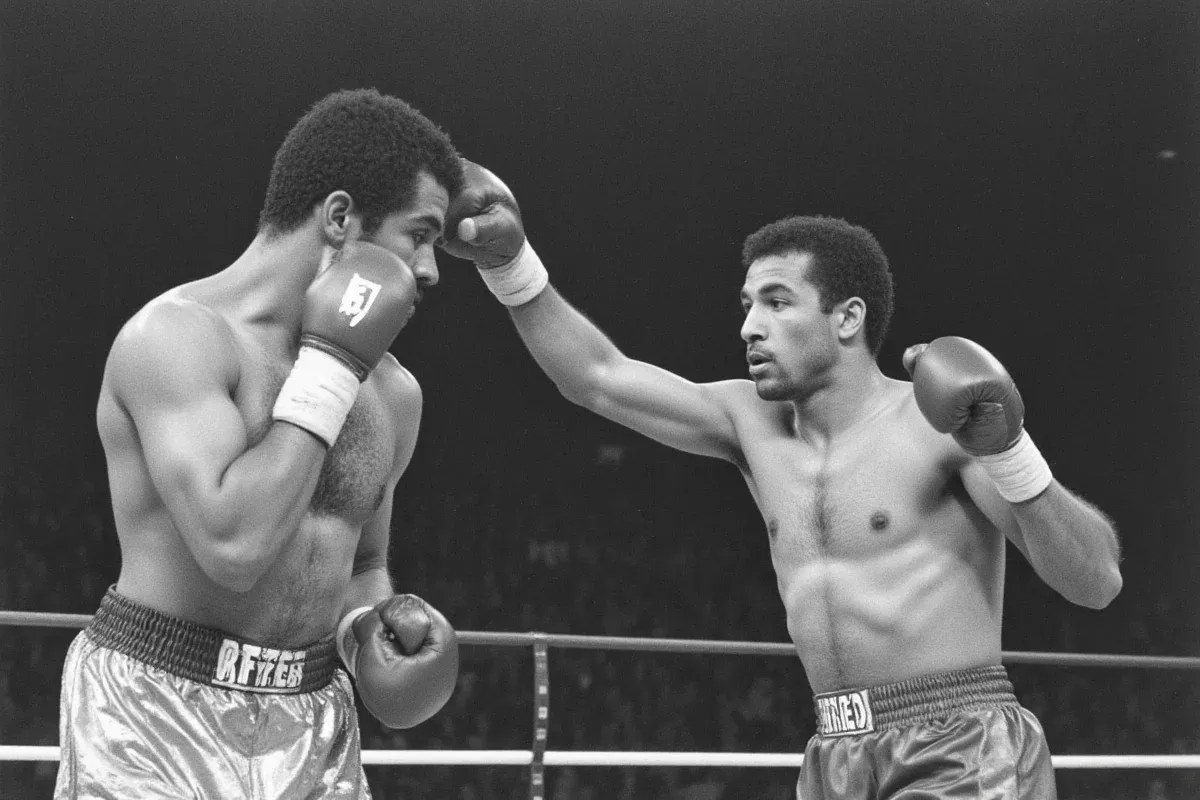
Why Did Mike Tyson Start Boxing? The Real Story
Mike Tyson started boxing primarily to escape a life of crime and poverty in Brooklyn, New York. Introduced to the sport by juvenile detention center counselor Cus D'Amato, boxing provided Tyson with discipline, structure, and a path toward personal redemption—ultimately shaping him into the youngest heavyweight champion in history.
Why Mike Tyson Turned to Boxing: A Path from Chaos to Champion
Mike Tyson's entry into boxing was not driven by fame or fortune but by necessity and survival. Growing up in a high-crime neighborhood in Brownsville, Brooklyn, Tyson faced constant violence, poverty, and instability. By age 13, he had been arrested nearly two dozen times for theft and assault. It was during his time at the Tryon School for Boys, a reform school in upstate New York, that he met Cus D'Amato, who would become his mentor, trainer, and father figure.
The Role of Cus D'Amato
D'Amato saw potential in the angry, undisciplined teenager and believed boxing could channel Tyson’s aggression into something constructive. He took Tyson under his wing, offering him a home, rigorous training, and emotional support. D'Amato instilled in Tyson the principles of defense, footwork, and mental toughness—cornerstones of Tyson’s early dominance.
- Tyson began formal training at age 13 under D'Amato’s guidance
- D'Amato legally adopted Tyson after becoming his guardian
- He introduced Tyson to the "peek-a-boo" boxing style, emphasizing head movement and aggressive counters
- D'Amato’s death in 1985 deeply affected Tyson, marking a turning point in his personal and professional life
Boxing as Escape and Empowerment
For Tyson, boxing was more than a sport—it was a lifeline. Without it, he often stated, he would have likely ended up dead or in prison. The gym became his sanctuary, where raw talent combined with relentless work ethic to produce extraordinary results.
Key Factors That Drove Tyson to Boxing
| Factor | Description |
|---|---|
| Poverty | Grew up in one of NYC’s poorest and most dangerous neighborhoods |
| Family Instability | Father absent; mother died when Tyson was 16 |
| Exposure to Crime | Frequent arrests before age 13 |
| Mentorship | Cus D'Amato provided structure and belief |
| Natural Talent | Exceptional hand speed, power, and reflexes evident early |
Tyson’s Early Career and Rise to Fame
Tyson’s amateur career was marked by rapid success. By age 15, he won his first national Golden Gloves title. At 18, he turned professional and quickly gained attention for his ferocious knockouts. His ascent was meteoric:
- Turned pro in 1985
- Won first 19 fights by knockout, 12 in the first round
- Became youngest heavyweight champion at age 20 years and 4 months (November 22, 1986)
| Year | Age | Milestone | Record |
|---|---|---|---|
| 1981 | 15 | Won National Golden Gloves (Junior Division) | Amateur: 24-2 |
| 1985 | 18 | Turned Professional | Pro debut: 1-0 (KO) |
| 1986 | 20 | Won WBC Heavyweight Title vs. Trevor Berbick | 27-0 (25 KOs) |
| 1987 | 21 | Unified WBA, WBC, IBF Titles | 34-0 (30 KOs) |
| 1990 | 24 | Lost title to Buster Douglas | 37-1 |
The data shows Tyson’s unprecedented rise: achieving elite status by age 15 and becoming undisputed champion by 21. His early knockout ratio (over 88% before age 21) highlights both his dominance and the fear he instilled in opponents.
This trajectory underscores how boxing transformed Tyson from a troubled youth into a global icon within just five years of turning professional.
Frequently Asked Questions About Why Mike Tyson Started Boxing
Why did Mike Tyson start boxing?
Mike Tyson started boxing at age 13 while in a juvenile detention center, where counselor Cus D'Amato recognized his potential and offered guidance. Boxing gave Tyson discipline and purpose, helping him escape a life of crime and poverty in Brooklyn.
Who taught Mike Tyson how to box?
Mike Tyson was primarily trained by Cus D'Amato, who developed his signature "peek-a-boo" style. After D'Amato’s death, Kevin Rooney continued refining Tyson’s technique during his peak championship years.
Was Mike Tyson successful in amateur boxing?
Yes, Tyson had a strong amateur career despite its brevity. He compiled a record of approximately 24 wins and 2 losses, winning the National Golden Gloves championship in the junior division at age 15.
How old was Mike Tyson when he started boxing?
Mike Tyson began formal boxing training at age 13 under Cus D'Amato after being introduced to the sport at the Tryon School for Boys.
Did boxing save Mike Tyson’s life?
Tyson himself has said multiple times that boxing saved his life, giving him direction and preventing him from falling deeper into crime. Without the structure and mentorship boxing provided, he likely would have faced imprisonment or death.
More Articles
 What Does OSS Mean in BJJ? Respect & Culture Explained
 How Many Golf Balls Fit in a 5 Gallon Bucket?
 2026 Alamo Bowl: Date, Time, Teams, How to Watch
 How Many People Play Golf Worldwide in 2025?
 How Much Do Pro Rugby Players Earn? 2025 Salaries
 When Was Baseball Invented? Origins & Key Milestones
 How Much Does a Golf Club Weigh? Full Breakdown
 Where Are They Playing TGL Golf? Venue Guide 2025
 Buy Baseball Cards Near Me: Top Local & Online Spots
 How Much Does a Pro Golf Caddy Make in 2025?