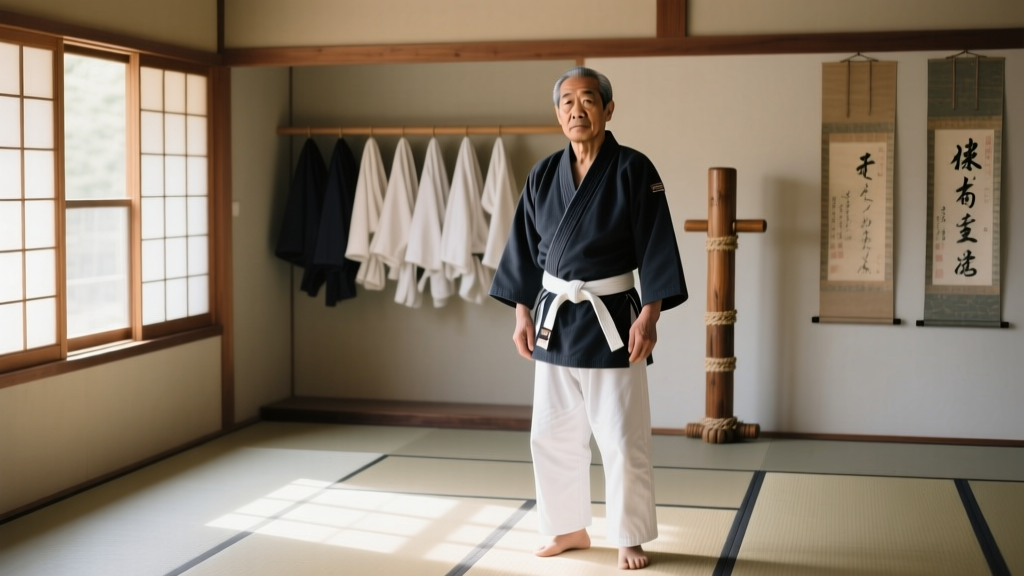
Who Founded Judo? The Story of Jigoro Kano
Judo was founded by Jigoro Kano in 1882 in Tokyo, Japan. A visionary educator and martial artist, Kano developed judo by refining traditional jujutsu techniques into a modern sport emphasizing physical fitness, mental discipline, and moral development.
The Origins of Judo
Judo emerged during a time of rapid modernization in Japan. As the country transitioned from the feudal Edo period to the Meiji era, many traditional martial arts were declining. Jigoro Kano saw an opportunity to preserve the essence of jujutsu while transforming it into a system suitable for education and global practice.
Why Was Judo Created?
- To modernize traditional jujutsu by eliminating dangerous techniques
- To promote physical education and character development
- To create a martial art accessible to people of all ages and sizes
- To establish a competitive sport with standardized rules
- To spread Japanese culture and philosophy worldwide
Jigoro Kano: The Founder of Judo
Born in 1860, Jigoro Kano studied several schools of jujutsu before founding his own system. In 1882, at the age of 22, he established the Kodokan—the Institute of the Way—in a small Tokyo temple. This marked the official birth of judo.
Kano's Core Principles
- Seiryoku Zenyo (Maximum Efficiency, Minimum Effort): Using technique over brute strength
- Jita Kyoei (Mutual Welfare and Benefit): Promoting social harmony through mutual respect
Kano’s background in education influenced his teaching methods. He introduced belt rankings and a systematic curriculum, innovations that revolutionized martial arts training globally.
The Evolution of Judo as a Sport
Under Kano’s leadership, judo grew rapidly. By 1895, it was adopted by the Japanese police and military. In 1949, the International Judo Federation (IJF) was formed, paving the way for international competition.
Milestones in Judo History
- 1964: Judo becomes an Olympic sport at the Tokyo Games
- 1988: Women’s judo included as a demonstration event in Seoul
- 1992: Women’s judo becomes a full medal Olympic event
- 2020: Mixed team event debuts at Tokyo Olympics
| Olympic Year | Host City | Men's Events | Women's Events | Total Athletes | Nations Participating |
|---|---|---|---|---|---|
| 1964 | Tokyo | 4 | 0 | 74 | 27 |
| 1988 | Seoul | 8 | 6 (demonstration) | 220 | 47 |
| 1992 | Barcelona | 8 | 7 | 310 | 76 |
| 2008 | Beijing | 7 | 7 | 386 | 94 |
| 2020 | Tokyo | 7 | 7 + 1 (mixed team) | 393 | 125 |
The data shows a steady increase in participation and inclusivity since judo's Olympic debut. From just 27 nations in 1964, the sport now engages athletes from over 125 countries, reflecting its global appeal. The addition of women's events and the mixed team format highlights judo’s commitment to gender equality and innovation.
Global Spread and Modern Practice
Today, judo is practiced in over 200 countries. The IJF governs international competitions, including World Championships and Grand Slams. Beyond elite sport, judo is widely used in schools, law enforcement, and self-defense programs.
Modern judo emphasizes safety, with padded mats, regulated throws, and strict anti-concussion protocols. The Kodokan remains the spiritual center of judo, preserving Kano’s original teachings while supporting contemporary research in biomechanics and pedagogy.
Frequently Asked Questions About Who Founded Judo
Who exactly founded judo and when?
Jigoro Kano founded judo in 1882 in Tokyo, Japan, when he established the Kodokan Institute to teach his new system based on modified jujutsu principles.
What was Jigoro Kano’s background before creating judo?
Kano was an educator and student of various jujutsu schools, including Tenjin Shin'yo-ryu and Kitō-ryu. He earned a degree in political science and later became the first Asian member of the International Olympic Committee.
Why did Kano create judo instead of practicing jujutsu?
Kano wanted to eliminate the dangerous, lethal techniques of traditional jujutsu and focus on personal development, education, and safe sparring. He believed judo could build character and contribute to society.
Is judo a traditional martial art or a modern sport?
Judo is both. While rooted in traditional Japanese martial arts, Kano designed it as a modern educational method and competitive sport, making it one of the first martial arts adapted for global athletic competition.
How has judo evolved since Kano’s time?
Judo has evolved into a global Olympic sport with standardized weight classes, scoring systems, and safety rules. While sport judo dominates internationally, Kodokan judo still teaches kata (forms) and philosophical aspects central to Kano’s vision.
More Articles
 Why Beach Volleyball Players Wear Bikinis
 What Years Did 49ers Win the Super Bowl?
 How Long Is a Tennis Court? Full Dimensions Explained
 Why NCAA Uses Molten Men's Volleyball
 Super Bowl 2025 Halftime Viewership: How Many Watched?
 What Channel Is Nebraska Volleyball On Tonight? (2025)
 How Long Does a Baseball Game Take? (2025 Data)
 Who Is Playing in the Celebrity Golf Tournament 2025?
 How Much Do AAA Baseball Players Make in 2025?
 Where Is the Music City Bowl Played? Venue & Details