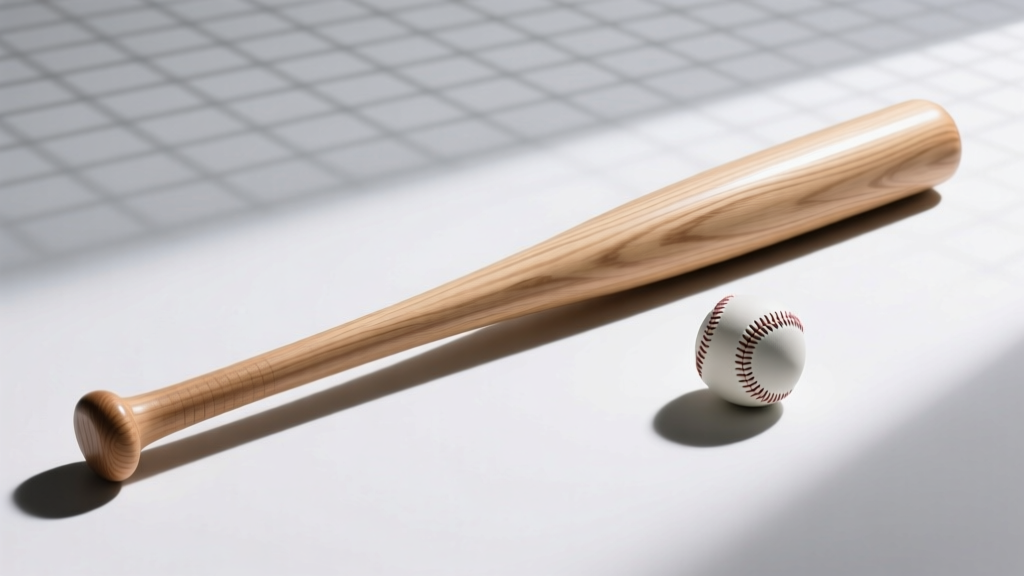
What Size Baseball Bat Do I Need? Find Your Perfect Fit
Choosing the right baseball bat size depends on your height, weight, age, and league requirements. As a general rule, players between 4'6" and 5'2" tall and weighing under 100 lbs should use a 26" to 28" bat; those 5'3" to 5'8" and 101–140 lbs typically need a 29" to 31" bat; and players over 5'9" and 141+ lbs often perform best with a 32" to 34" bat. Youth players usually require lighter, shorter bats (26"–30" with -10 to -13 drop), while high school and adult players often use 31"–34" bats with -3 drop (BBCOR) or wood bats. The correct bat ensures better swing control, power, and safety.
How to Determine the Right Baseball Bat Size
Selecting the proper baseball bat is essential for performance, comfort, and injury prevention. A bat that's too heavy or too long can reduce swing speed and control, while one that's too short may limit power. Several factors influence the ideal bat size: height, weight, age, strength, and league regulations.
Key Factors in Choosing a Bat
- Height and Weight: These are primary indicators for bat length and weight.
- Age Group: Youth, high school, college, and adult leagues have different bat standards.
- League Rules: USSSA, USA Baseball, BBCOR, and wood bat regulations affect legal bat types.
- Player Strength: Stronger players can handle heavier bats with less drop.
- Swing Style: Contact hitters may prefer lighter bats; power hitters often choose heavier models.
Youth vs. Adult Baseball Bat Sizes
Baseball bats vary significantly between youth and adult categories. Youth bats are measured by length and drop weight (length minus weight in ounces), while adult bats follow BBCOR (Batted Ball Coefficient of Restitution) standards to simulate wood-like performance.
Youth Baseball Bats
Designed for players aged 8–14, youth bats typically range from 26" to 30" with drop weights from -10 to -13. USA Baseball certified bats are standard for most youth leagues.
High School and College Bats
BBCOR-certified bats are required for high school and NCAA play. These bats must be no longer than 36", have a barrel diameter of 2\u00be", and a -3 drop (e.g., 32" long, 29 oz). Wood bats also meet BBCOR standards.
Bat Size Recommendations by Height and Weight
The following table provides detailed bat size recommendations based on player dimensions and age group.
| Height | Weight (lbs) | Average Age | Recommended Length (inches) | Drop Weight | Bat Type |
|---|---|---|---|---|---|
| Under 4'0" | Under 60 | 5–7 | 26" | -10 to -13 | Youth (USA) |
| 4'0" – 4'4" | 60–80 | 7–9 | 27"–28" | -10 to -13 | Youth (USA) |
| 4'5" – 4'8" | 80–100 | 9–11 | 28"–29" | -10 to -12 | Youth (USA) |
| 4'9" – 5'0" | 100–120 | 11–12 | 29"–30" | -10 to -11 | Youth (USSSA/USA) |
| 5'1" – 5'4" | 120–140 | 12–14 | 30"–31" | -10 or BBCOR (-3) | Senior League / BBCOR |
| 5'5" – 5'8" | 140–160 | 14–16 | 31"–32" | BBCOR (-3) | BBCOR |
| 5'9" – 6'0" | 160–180 | 16–18 | 32"–33" | BBCOR (-3) | BBCOR |
| Over 6'0" | 180+ | 18+ | 33"–34" | BBCOR (-3) | BBCOR or Wood |
Data shows a strong correlation between player height, weight, and recommended bat length. Younger players benefit from lighter, shorter bats to maintain swing speed, while older, stronger athletes transition to BBCOR bats for game realism and safety. The shift from youth to BBCOR typically occurs around ages 13–15, depending on league rules and physical development.
How to Test if a Bat Fits Properly
Beyond measurements, physical testing ensures the right fit:
- Knob Test: Grip the bat at the bottom; if you can comfortably wrap your fingers around the knob, it’s likely the right length.
- Elbow Test: Place the bat knob in the center of your chest and extend the barrel across your shoulder. If the barrel reaches your fingertips when arm is extended, the length is appropriate.
- Swing Test: Take practice swings. The bat should feel balanced and controllable without straining your wrists or shoulders.
- Weight Comfort: You should be able to hold the bat straight out horizontally for 20–30 seconds without shaking.
Common Bat Size Mistakes to Avoid
- Choosing Based on Age Alone: A strong 12-year-old may need a larger bat than a weaker peer of the same age.
- Using an Overly Long Bat: Extra length reduces control and swing speed, increasing strikeout risk.
- Ignoring League Rules: Using a non-compliant bat can get you disqualified during games.
- Buying Too Big "to Grow Into": Oversized bats hinder mechanics and can lead to bad habits.
- Not Reassessing Annually: Players grow quickly; reevaluate bat size each season.
Frequently Asked Questions About Baseball Bat Size
What size baseball bat should a 10-year-old use?
A 10-year-old typically needs a 28" to 30" bat with a -10 to -13 drop, depending on height and weight. For example, a 4'5", 85 lb player should use a 29" bat. Always check league certification (USA Baseball approved).
What size bat should a 13-year-old use?
A 13-year-old usually transitions to a 31" or 32" BBCOR -3 bat if playing in a BBCOR league. If still in youth leagues, a 30" to 31" USSSA or USA bat with -10 drop may suffice, depending on size and strength.
How long should my baseball bat be?
Bat length depends on your height and weight. Players under 5'0" and 100 lbs generally need 26"–29" bats. Those 5'1"–5'8" and 101–160 lbs do best with 30"–32" bats. Taller, stronger players (5'9"+, 160+ lbs) typically use 32"–34" bats.
What does "drop weight" mean on a baseball bat?
Drop weight is the difference between the bat's length (in inches) and its weight (in ounces). For example, a 30" bat weighing 20 oz has a -10 drop. Youth bats have higher drops (-10 to -13); BBCOR bats have a fixed -3 drop.
Are BBCOR bats required for high school baseball?
Yes, BBCOR-certified bats are required for high school and collegiate baseball in the United States. These bats have a -3 drop, a maximum length of 36", and meet strict performance standards to ensure fair play and safety.
More Articles
 Where Was Tennis Invented? The True Origin Revealed
 Ruth vs Bonds vs Trout: Best Baseball Player?
 How Many Super Bowls Did the Denver Broncos Win? (Answer)
 Troy Aikman Super Bowl Wins: How Many?
 Where Was Table Tennis Originated? History & Facts
 How Many Golf Courses Are There in the World?
 Where Was Tennis Invented? Origins & History
 What Years Did Tom Brady Win Super Bowls? Full List
 Did Aaron Rodgers Win a Super Bowl? Full Breakdown
 How Many Super Bowl MVPs Does Tom Brady Have?