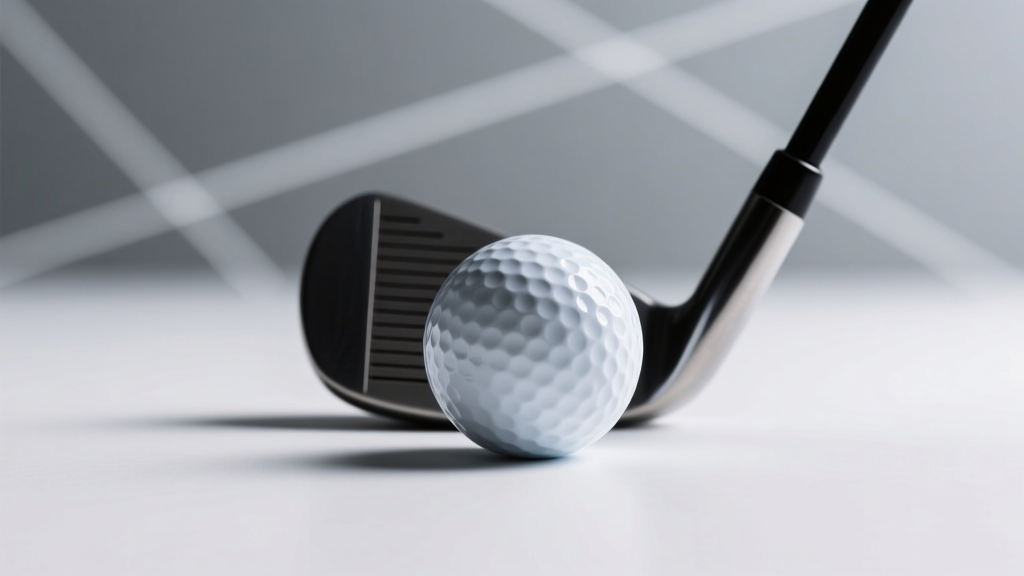
Which Golf Ball Is Right for Me? Find Your Perfect Match
Choosing the right golf ball depends on your swing speed, skill level, and desired performance characteristics—two-piece balls suit beginners and high handicappers, while multi-layer balls benefit advanced players seeking control and spin.
Understanding Your Swing Speed and Skill Level
Your swing speed is the most critical factor in selecting the best golf ball. It directly influences compression, launch angle, and overall distance. Golfers with slower swing speeds (below 90 mph) should opt for low-compression balls, while those with faster swings (above 100 mph) benefit from high-compression models.
Key Factors Based on Player Type
- Beginners: Prioritize distance and durability with two-piece, low-spin balls.
- Mid-handicappers: Look for value-oriented balls with balanced spin and feel.
- Low-handicappers: Choose multi-layer balls with enhanced spin control and soft feel around the greens.
- Senior players: Use low-compression balls (70–80) to maximize energy transfer and reduce strain.
Types of Golf Balls and Their Performance
Golf balls are categorized by construction: two-piece, three-piece, and four-or-more-piece designs. Each offers distinct advantages depending on player needs.
Two-Piece Balls
These consist of a solid core and a durable cover. Ideal for maximizing distance and minimizing side spin, they are perfect for recreational players.
Three-Piece Balls
Offer a balance of distance and control with a softer mid-layer. Often used by mid-to-low handicappers who want improved short-game feedback.
Multi-Layer (4+ Piece) Balls
Engineered for tour-level performance with independent layers managing driver spin, iron control, and wedge spin. Best suited for swing speeds exceeding 100 mph.
| Ball Model | Construction | Compression | Avg. Driver Distance (yards) | Green Side Spin (rpm) | Price per Dozen |
|---|---|---|---|---|---|
| Callaway Warbird | 2-Piece | 60 | 258 | 6,800 | $25 |
| Titliest DT TruSoft | 2-Piece | 50 | 252 | 7,100 | $30 |
| Srixon Q-STAR | 3-Piece | 75 | 260 | 8,900 | $32 |
| Callaway Chrome Soft | 4-Piece | 80 | 263 | 10,200 | $40 |
| TaylorMade TP5x | 5-Piece | 90 | 268 | 11,500 | $50 |
| Bridgestone Tour B XS | 4-Piece | 95 | 265 | 11,200 | $48 |
The data shows a clear trend: higher compression and multi-layer construction correlate with increased spin and slightly greater distance, but at a higher cost. Players with swing speeds under 95 mph gain minimal benefit from premium tour balls like the TP5x or Tour B XS, making mid-tier options like the Srixon Q-STAR the best value.
Matching Ball Characteristics to Your Game
Consider these performance traits when choosing a ball:
- Distance: Maximized by low-spin, two-piece designs.
- Spin: Higher spin improves short game control but can increase hooks/slices.
- Feel: Softer covers provide better feedback but may wear faster.
- Durability: Ionomer covers last longer than urethane.
- Weather Performance:: Some balls perform better in cold or wet conditions.
Finding the Best Value and Availability
Premium balls offer elite performance but aren't necessary for every golfer. Recreational players should consider refurbished or recycled balls, which offer near-new quality at half the price. Brands like LostGolfBalls certify condition and performance.
Frequently Asked Questions About Choosing the Right Golf Ball
How do I know if my swing speed matches a golf ball's compression?
As a rule of thumb, swing speeds below 90 mph pair best with low-compression balls (60–70), 90–100 mph with mid-compression (70–80), and above 100 mph with high-compression (90+) balls. Using a launch monitor at a pro shop can give you an accurate reading.
Are expensive golf balls worth it for average players?
No, not usually. Players with handicaps above 15 gain little from the added spin and feel of premium balls. A well-designed mid-tier ball like the Srixon Q-STAR delivers 90% of the distance at half the cost.
What golf ball should seniors use?
Seniors should choose low-compression, two-piece balls like the Titleist DT TruSoft or Callaway Supersoft. These maximize carry distance and reduce vibration on mishits, enhancing comfort and consistency.
Do golf ball colors affect performance?
No, color does not impact performance. However, high-visibility colors like yellow, orange, or pink improve tracking in flight and help locate balls in tall grass or low light.
Can weather influence which golf ball I should use?
Yes. Cold weather reduces ball speed and increases spin, so using a low-compression ball helps maintain distance. Some brands offer winter-specific formulations with softer cores for better performance in temperatures below 50°F.
More Articles
 How Many Super Bowls Did Patriots Win? 6 Victories Explained
 Who Has Won the Most Masters Golf Tournaments?
 Why Two First Bases in College Baseball?
 When Does College Baseball Start in 2025?
 How Old Is Mayweather? Age, Career & Legacy in 2025
 Next Cricket World Cup 2027: Dates, Hosts & Teams
 How Is the Home Team Determined in the Super Bowl?
 How Big Is a Table Tennis Table? Official Size Explained
 How Many Players Are on a Baseball Field? (9 Per Team)
 Has a Rookie QB Ever Gone to the Super Bowl?