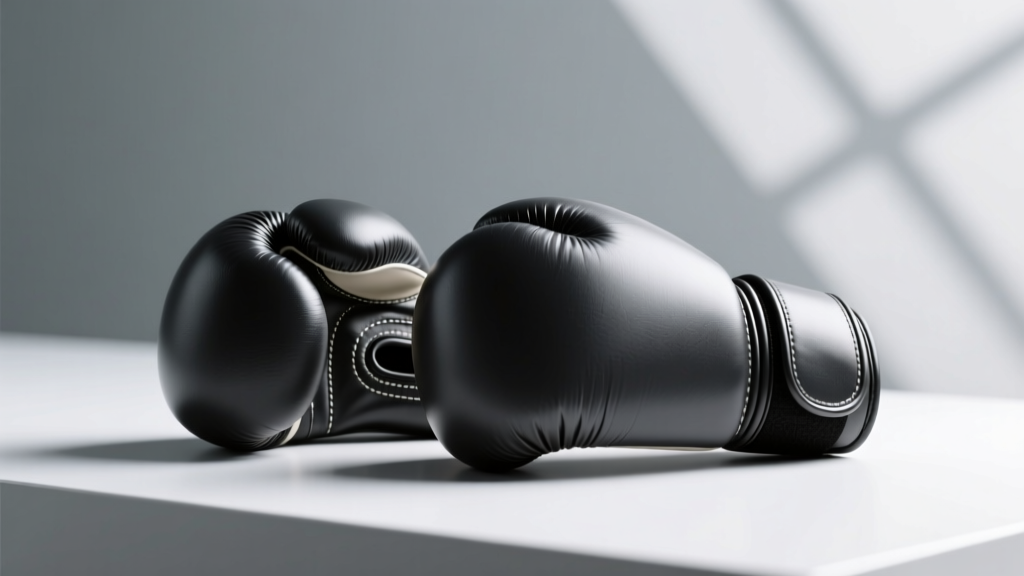
How Many Rounds Are in Boxing? Explained
Professional boxing matches typically consist of 12 rounds for championship bouts, while non-title and regional fights usually range from 4 to 10 rounds, with each round lasting 3 minutes for men and 2 minutes for women.
Understanding Boxing Round Structure
Boxing matches are divided into timed segments called rounds, separated by 1-minute rest periods. The number of rounds depends on the type of bout, the governing organization, and whether it's a professional or amateur contest. Championship-level men's fights are most commonly scheduled for 12 rounds, whereas women's title bouts are often set for 10 rounds. Non-title professional fights may be scheduled for fewer rounds, such as 6, 8, or 10, depending on the fighters' experience and promotional agreements.
Key Factors That Determine Round Count
- Type of bout: Title fights generally have more rounds than non-title contests.
- Governing body: Organizations like WBC, WBA, IBF, and WBO follow standard round guidelines.
- Gender: Men typically fight up to 12 rounds; women up to 10.
- Amateur vs. Professional: Amateur bouts (e.g., Olympics) are shorter, usually 3 rounds.
- Age and experience: Younger or less experienced boxers often compete in shorter fights.
Historical Evolution of Round Length in Boxing
Early boxing matches in the 19th century had unlimited rounds under the London Prize Ring Rules. The modern era adopted standardized round lengths after the introduction of the Marquess of Queensberry Rules in 1867, which mandated 3-minute rounds with 1-minute rests. Originally, championship fights were scheduled for 15 rounds until 1982, when the WBC reduced it to 12 following a fatal bout. Other organizations followed suit, making 12 rounds the standard for men’s world titles.
Milestones in Round Regulation
- 1867: Marquess of Queensberry Rules introduced 3-minute rounds.
- 1920: The Walker Law officially regulated boxing in New York, influencing global standards.
- 1982: After the Duk Koo Kim tragedy, WBC reduces championship bouts from 15 to 12 rounds.
- 1988: WBA and IBF adopt 12-round standard for title fights.
- 2001: Unified rules standardize round counts across major sanctioning bodies.
Round Structure Across Different Boxing Formats
Different levels and styles of boxing follow distinct round structures tailored to safety, competition level, and audience engagement. Below is a detailed breakdown of round configurations by format.
| Format | Rounds | Round Duration (Men) | Round Duration (Women) | Rest Between Rounds | Governing Body |
|---|---|---|---|---|---|
| Professional Men's Championship | 12 | 3 min | - | 1 min | WBC, WBA, IBF, WBO |
| Professional Women's Championship | 10 | - | 2 min | 1 min | WBC, IBA |
| Professional Non-Title (Men) | 4–10 | 3 min | - | 1 min | Promotional |
| Olympic Boxing | 3 | 3 min | 2 min | 1 min | IBA |
| Amateur Senior (International) | 3 | 3 min | 2 min | 1 min | IBA |
| Youth Boxing (15–17 years) | 3 | 1.5–2 min | 1.5–2 min | 1 min | USA Boxing |
The data shows a clear distinction between professional and amateur boxing, particularly in round count and duration. Men's professional title fights remain the longest at 12 rounds, while women's elite bouts are capped at 10. Olympic and international amateur events use shorter formats to prioritize athlete safety and tournament scheduling. Youth categories further reduce round length to accommodate developing athletes.
Strategic Implications of Round Count
The number of rounds significantly impacts fight strategy. In 12-round championship bouts, pacing, endurance, and mid-fight adjustments are crucial. Fighters must balance aggression with energy conservation. Shorter fights (4–8 rounds) allow for higher intensity from the opening bell, often favoring aggressive, power-punching styles. Trainers tailor conditioning programs based on scheduled rounds, ensuring peak performance without burnout.
How Round Length Affects Fighter Performance
- Early rounds: Used for assessment and establishing rhythm.
- Middle rounds: Strategic shifts occur; fighters exploit observed weaknesses.
- Late rounds: Physical and mental endurance tested; comebacks often happen here.
- Judging criteria: Consistency across all rounds influences scoring.
Frequently Asked Questions About Boxing Rounds
How many rounds are in a professional boxing match?
Most professional boxing matches are scheduled for 12 rounds if they are championship bouts. Non-title professional fights can range from 4 to 10 rounds depending on the agreement and fighters' records.
Why did boxing change from 15 to 12 rounds?
Boxing changed from 15 to 12 rounds in 1982 after the tragic death of South Korean boxer Duk Koo Kim following a 14-round fight with Ray Mancini. The reduction was implemented to improve fighter safety and reduce long-term health risks.
How long is each round in professional boxing?
Each round in men's professional boxing lasts 3 minutes, with 1-minute rest periods between rounds. In women's professional boxing, rounds are typically 2 minutes long with the same 1-minute rest intervals.
Are all championship boxing fights 12 rounds?
Yes, all major men's world championship boxing fights sanctioned by organizations like WBC, WBA, IBF, and WBO are scheduled for 12 rounds. Women's championship fights are usually scheduled for 10 rounds.
What happens if a boxing match goes the distance?
If a boxing match goes the full scheduled rounds without a knockout or stoppage, the winner is determined by judges' scorecards using the 10-point must system. Each round is scored individually, and the fighter with more total points wins by decision.
Do Olympic boxing matches have the same number of rounds as professional fights?
No, Olympic boxing matches consist of 3 rounds of 3 minutes each for men and 2 minutes for women, significantly shorter than professional championship bouts, which can last up to 12 rounds.
More Articles
 What Does Hitting for the Cycle Mean in Baseball?
 What to Make for Super Bowl: Top Party Foods
 Highest Belt in Taekwondo: 9th-Degree Black Belt Explained
 Where Is Pinehurst Golf Course Located? | Full Guide 2025
 Where Is the Rose Bowl Game Held? Venue & History
 How Much Does It Cost to Mail Golf Clubs?
 How Long Are MMA Fights? Full Breakdown by Promotion
 Greatest Tennis Player Ever: Stats Reveal Answer
 What Does K Stand for in Baseball? Explained
 Performance vs Sports: Overlapping Principles