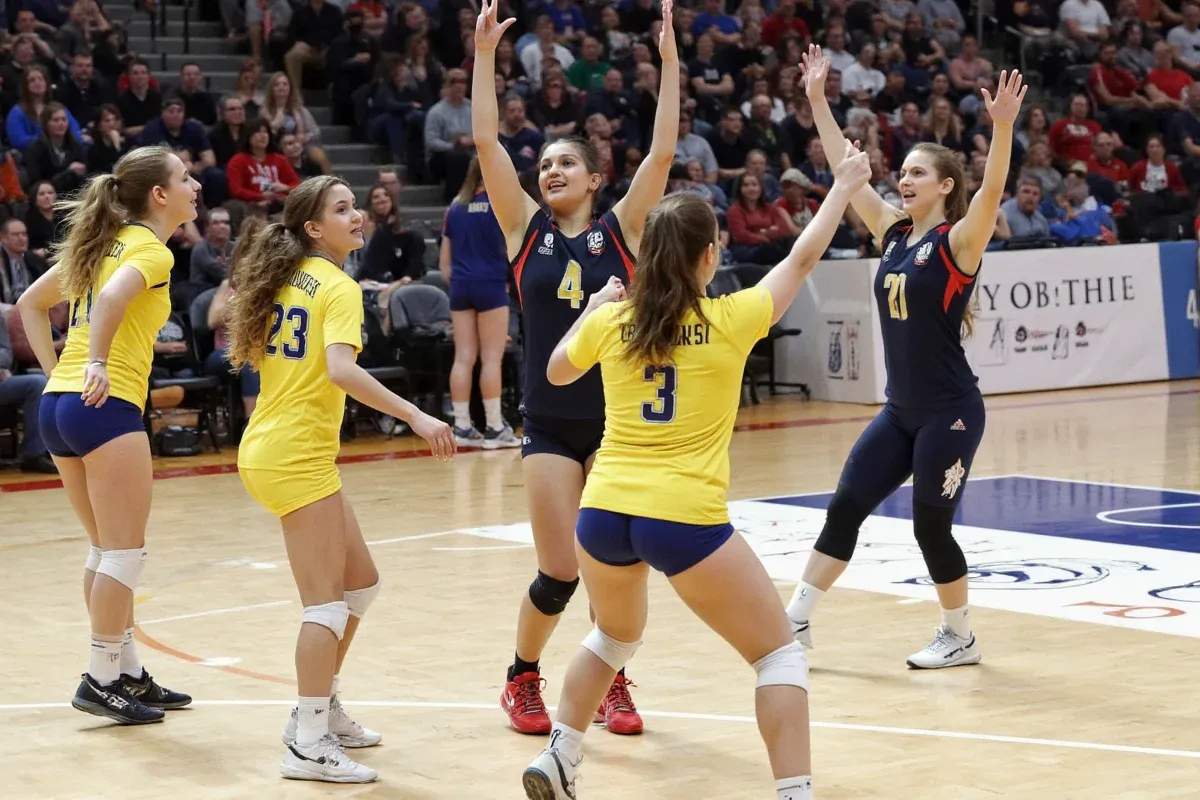
Who Invented Volleyball? The Complete Story
Invented in 1895 by William G. Morgan, volleyball was originally called 'Mintonette' and designed as a less strenuous alternative to basketball for older athletes at the YMCA in Holyoke, Massachusetts.
History of Volleyball's Invention
William G. Morgan, a physical education director at the YMCA in Holyoke, Massachusetts, invented volleyball in 1895. Inspired by the recent creation of basketball, Morgan sought to develop a new indoor game that would be less physically demanding yet still engaging for middle-aged businessmen.
Why Was Volleyball Created?
- To provide a low-impact team sport for older adults
- To offer an alternative to the fast-paced nature of basketball
- To promote physical fitness and social interaction at the YMCA
- To design a game playable indoors during winter months
Evolution of the Game: From Mintonette to Volleyball
The original name of the sport was 'Mintonette,' derived from badminton due to its similar over-the-net gameplay. However, during a demonstration game in 1896, Professor Alfred T. Halsted suggested renaming it 'volley ball' (later one word) because players volleyed the ball back and forth over the net.
The first official game used a tennis net raised to 6 feet 6 inches and a basketball bladder as the ball. Rules evolved rapidly, including standardized court dimensions, scoring systems, and player positions.
Key Milestones in Volleyball History
| Year | Event | Location | Significance |
|---|---|---|---|
| 1895 | Game invented by William G. Morgan | Holyoke, MA, USA | Birth of the sport initially named 'Mintonette' |
| 1896 | First public demonstration and renaming | Springfield College, MA | Renamed 'volley ball' based on gameplay style |
| 1916 | Introduction of set and spike tactics | Philippines | Transformed offensive strategies in competitive play |
| 1928 | National Volleyball Association formed in USA | New York, NY | Established national governance for amateur play |
| 1947 | Fédération Internationale de Volleyball (FIVB) founded | Paris, France | Global governing body established with 14 founding nations |
| 1964 | Olympic debut | Tokyo, Japan | Volleyball becomes an Olympic sport |
The table illustrates how volleyball transitioned from a local YMCA activity to a globally recognized sport within seven decades. The formation of the FIVB in 1947 marked a turning point, standardizing rules and enabling international competition. By 1964, the sport’s popularity had grown sufficiently to earn inclusion in the Tokyo Olympics.
Global Spread and Modern Developments
From its American origins, volleyball quickly spread through YMCA networks worldwide. The Philippines adopted it early, contributing innovations like spiking and faster tempo play. During World War I, the U.S. military introduced volleyball to Europe and Asia, further accelerating global adoption.
Today, variants such as beach volleyball and sitting volleyball have expanded accessibility and appeal. The FIVB now governs over 220 national federations, reflecting the sport’s universal reach.
Frequently Asked Questions About the Invention of Volleyball
Who invented volleyball and when?
William G. Morgan invented volleyball in 1895 while working as a physical education instructor at the YMCA in Holyoke, Massachusetts.
Why was volleyball originally called Mintonette?
It was named Mintonette because the game involved hitting a ball over a net, similar to badminton. The name was later changed to 'volleyball' to better reflect the action of volleying the ball.
What inspired William G. Morgan to create volleyball?
Morgan was inspired by basketball but wanted a less intense game suitable for older adults. He combined elements from tennis, handball, and baseball to create a more accessible indoor sport.
When did volleyball become an Olympic sport?
Volleyball debuted as an Olympic sport at the 1964 Summer Games in Tokyo, Japan, both for men’s and women’s competitions.
How has volleyball evolved since its invention?
Since 1895, volleyball has evolved with standardized rules, advanced techniques like spiking and blocking, professional leagues, and international tournaments. Beach volleyball emerged as a popular variant and became an Olympic event in 1996.
More Articles
 Where to Watch LSU Baseball in 2025 - Full Guide
 Who Invented Table Tennis? Origins and History
 How Many Super Bowls Do the Oakland Raiders Have? 3 Wins
 How Long Is a Volleyball Game? Match Duration Explained
 Where to Watch MLB Playoffs 2025 Live
 Who Invented Badminton? Origins & History Explained
 What Does K Stand for in Baseball? Explained
 Where Is the Citrus Bowl Played? Venue & Details
 Browser History Alternatives: Legal & Technical
 How Many Days Until Super Bowl 2025? Countdown & Info