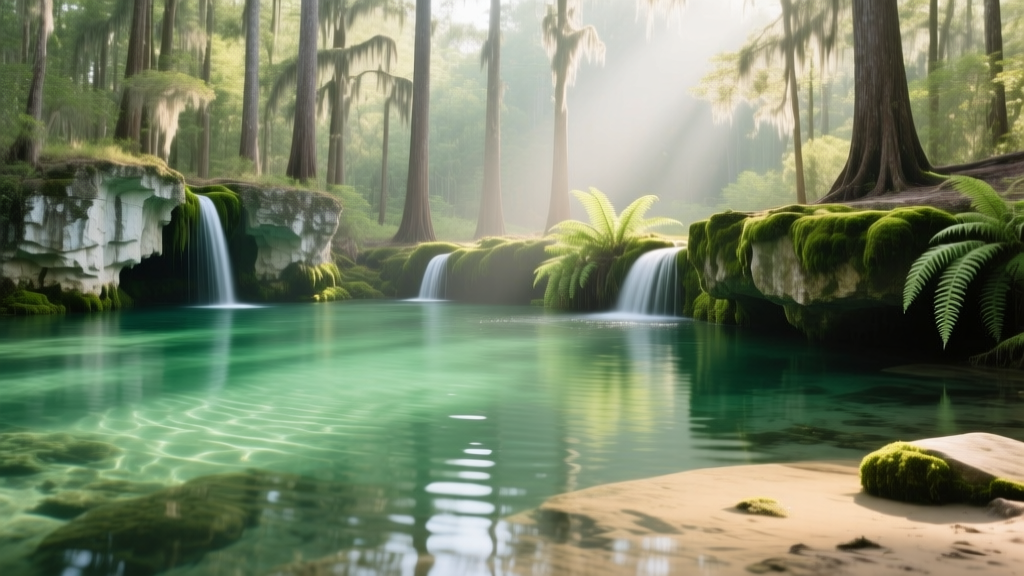
Which Florida Springs Can I Swim In? Top 6 Spots
Several Florida springs are open for swimming, including Devil's Den, Rainbow Springs, Ginnie Springs, Ichetucknee Springs, and Blue Spring State Park, all offering clear waters, regulated access, and maintained facilities for a safe and enjoyable experience.
Best Florida Springs Open for Swimming
Florida is home to over 1,000 natural springs, but not all are suitable or legally open for swimming. The most popular and consistently accessible springs for swimmers prioritize safety, conservation, and public access. These include both state-managed parks and privately operated recreation areas that meet environmental and health standards.
Top Public Springs for Swimming
- Ichetucknee Springs State Park – Known for its 6-mile tubing run and crystal-clear water, it opens seasonally (typically March–September) due to wildlife protection.
- Rainbow Springs State Park – Features a developed swim area near the Rainbow River headwaters with lifeguards during peak hours.
- Blue Spring State Park – Famous for manatee viewing in winter; swimming is allowed in designated zones when manatees aren't present.
- Wekiwa Springs State Park – Located near Orlando, this spring offers year-round swimming in a sandy-bottom basin fed by underground aquifers.
- Falling Waters State Park – Home to Florida’s tallest waterfall and a deep plunge pool open for swimming.
Private or Commercially Operated Springs
Some springs require admission fees and offer enhanced amenities like diving platforms, campsites, and equipment rentals.
- Ginnie Springs – A premier spot for divers and snorkelers, located on the Santa Fe River with multiple spring vents.
- Devil's Den – An enclosed prehistoric spring inside a limestone dome, ideal for cave diving and beginner snorkeling.
- Madison Blue Spring – Popular among technical divers due to deep cavern systems and strong flow rates.
Swimming Conditions and Water Quality
Water clarity, temperature, and flow rate significantly impact swimmer safety and enjoyment. Most first-magnitude springs maintain a consistent 72°F (22°C) year-round, making them refreshing in summer and warm in winter.
| Spring Name | Magnitude | Water Temp (°F) | Visibility (ft) | Swim Season | Admission Fee |
|---|---|---|---|---|---|
| Ichetucknee Springs | First | 72 | 80+ | Mar–Sep | $8/vehicle |
| Rainbow Springs | First | 72 | 40–60 | Year-round | $8/vehicle |
| Blue Spring | First | 72 | 50+ | Jun–Feb (when manatees absent) | $6/vehicle |
| Ginnie Springs | First | 72 | 100+ | Year-round | $18/person |
| Devil's Den | Third | 72 | 100+ | Year-round | $20/person |
| Wekiwa Springs | Second | 72 | 40–60 | Year-round | $6/vehicle |
The data shows that first-magnitude springs (discharging over 100 million gallons daily) dominate Florida’s top swim spots, ensuring high flow and clarity. Ginnie Springs and Devil's Den offer exceptional visibility, ideal for underwater photography and diving. While public parks charge per vehicle, private springs often have higher per-person fees but provide specialized services like dive instruction and air fills.
Rules and Safety Tips for Swimming in Florida Springs
To protect fragile ecosystems and ensure visitor safety, all springs enforce specific rules. Swimmers should be aware of the following:
Common Regulations
- No sunscreen or lotions – Chemicals harm aquatic life; use eco-friendly alternatives if necessary.
- No feeding wildlife – Especially in manatee zones like Blue Spring.
- Alcohol prohibited in most state parks.
- Swim only in designated areas – Prevents damage to vegetation and reduces drowning risks.
- Life jackets required for children under 6 in some parks.
Safety Considerations
- Strong currents: Some springs, like Ichetucknee, have noticeable flow – avoid upstream swimming.
- Depth variations: Caves and sinkholes exist even in swim zones; never dive without training.
- Wildlife: Snakes and alligators are rare but possible; do not approach.
- Hydration: Despite cool water, sun exposure can lead to dehydration.
FAQ About Swimming in Florida Springs
Can I swim in Florida springs year-round?
Most springs maintain a steady 72°F temperature, making them swimmable year-round. However, some parks like Ichetucknee close during winter months to protect wildlife, and Blue Spring prohibits swimming when manatees congregate (Nov–Mar). Always check park status before visiting.
Are there any free springs where I can swim?
Very few Florida springs allow completely free public swimming. Most state parks charge a nominal entry fee (e.g., $6–$8 per vehicle) to fund maintenance and conservation. Unofficial access points are often unsafe or illegal and may result in fines.
Do I need a reservation to swim in Florida springs?
Yes, popular springs like Ichetucknee and Rainbow Springs require timed entry reservations during peak season (summer weekends and holidays) via Reserve Florida. Ginnie Springs and Devil's Den accept walk-ins but recommend advance booking for groups.
Is snorkeling good in Florida springs?
Excellent. Due to high water clarity and slow flow, springs like Ginnie, Devil's Den, and Rainbow offer world-class snorkeling. You'll see fish, turtles, and underwater geology. Bring your own gear as rentals are limited.
Are pets allowed in Florida springs?
No. Dogs and other pets are not permitted in swimming areas at Florida state parks to protect water quality and wildlife. Service animals are exempt but must remain outside the water.
More Articles
 Bungee Jump Deaths: Annual Statistics (2026)
 How Long Should You Jump Rope Daily?
 Best Sports for Weight Loss: 10 High-Calorie-Burning Activities Ranked
 Did Athletes Swim in the Seine During 2024 Olympics?
 Size Safety Tips: How Proper Sizing Prevents Injury
 How Many Calories Do You Burn Swimming a Mile?
 Sports Injury Prevention: 12 Evidence-Based Tips to Stay Safe (2026)
 Olympic Swimming Pool Dimensions Explained
 Where to Buy a Jet Ski: Top Trusted Sources 2025
 Tennis Elbow Brace Guide: Pick the Right One