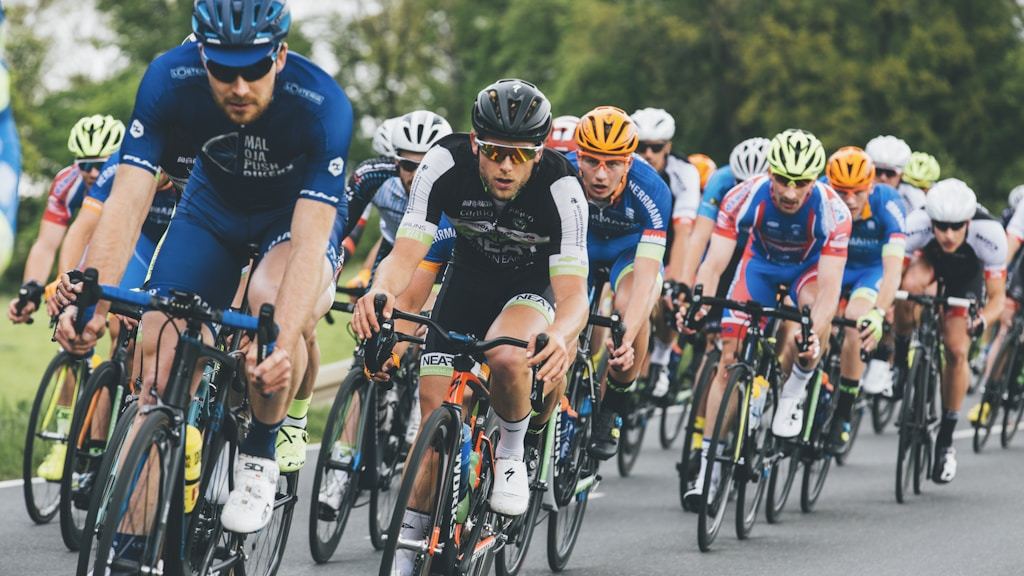
Olympic Swimming Pool Dimensions: Size, Depth & Lane Specs
An Olympic swimming pool must measure exactly 50 meters in length, 25 meters in width, and have a minimum depth of 2 meters. It contains 2,500,000 liters (660,430 gallons) of water and features 10 lanes, with lanes 1 through 8 used for competition. These standardized dimensions are regulated by World Aquatics (formerly FINA) to ensure fair and consistent conditions for all elite-level competitions, including the Olympic Games.
Official Dimensions of an Olympic Swimming Pool
The size of an Olympic swimming pool is strictly defined by World Aquatics, the international governing body for aquatic sports. These regulations ensure consistency across all major international events, including the Olympics, World Championships, and continental games.
Key Measurement Standards
- Length: 50 meters (164 feet)
- Width: 25 meters (82 feet)
- Depth: Minimum 2 meters (6.6 feet), recommended 3 meters for major events
- Number of Lanes: 10 total, with 8 used for racing (lanes 2–9)
- Lane Width: 2.5 meters (8.2 feet) each
- Water Volume: Approximately 2.5 million liters (660,430 US gallons)
Purpose of Standardized Pool Dimensions
Consistent pool dimensions are critical for several reasons:
- Fair Competition: Ensures all swimmers face identical conditions, eliminating advantages due to pool size or depth.
- Record Validity: World records can only be set in pools certified to exact specifications.
- Wave Reduction: Deeper pools reduce surface turbulence, improving swimmer performance.
- Turn Technique: Precise 50-meter lengths allow athletes to strategize flip turns and pacing accurately.
Differences Between Olympic and Other Competitive Pools
Not all competitive pools are Olympic-sized. Understanding the differences helps clarify terminology and usage.
Olympic Pool vs. Short Course Pool
- Olympic (Long Course): 50m length, used in summer Olympics and World Championships (May–August).
- Short Course: 25m length, used in Winter World Championships and many national leagues.
Other Pool Types
- Training Pools: Often 25m or 50m but may lack full lane count or depth.
- High School/College Pools (USA): Frequently 25 yards (22.86m), leading to different race strategies and conversions.
- Recreational Pools: Vary widely in size and are not used for official competition.
| Feature | Olympic Pool | Short Course Pool | US High School (Yard) |
|---|---|---|---|
| Length | 50 meters | 25 meters | 25 yards (22.86 meters) |
| Width | 25 meters | 12.5–25 meters | Varies (often 25 yards) |
| Depth | Min. 2 m (3 m recommended) | Min. 1.35 m | 1.2–2.0 m |
| Lanes | 10 (8 competition) | 6–10 | 6–8 |
| Lane Width | 2.5 m | 2.0–2.5 m | 7 ft (2.13 m) |
| Water Volume | 2,500,000 L | ~625,000 L | ~450,000 L |
The data highlights how Olympic pools are significantly larger and deeper than most training or school facilities. The increased depth reduces wave reflection, enhancing swimmer speed and comfort. Volume differences also impact water treatment and maintenance requirements, making Olympic pools more complex to operate.
Construction and Design Features
Beyond dimensions, several engineering aspects contribute to a high-performance Olympic pool.
Critical Design Elements
- Gutters and Skimmers: Minimize splash-over and maintain water level stability.
- Lane Lines: Absorb waves and prevent turbulence from spreading between lanes.
- Starting Blocks: Adjustable angles and kick-plates compliant with World Aquatics rules.
- Underwater Lighting: Improves visibility for swimmers and cameras.
- Temperature Control: Water maintained at 25–28°C (77–82°F) for optimal performance.
Frequently Asked Questions About Olympic Swimming Pools
Why does an Olympic pool have 10 lanes but only 8 are used?
The two outer lanes (lane 1 and lane 10) act as buffers to absorb wave energy and reduce turbulence in the competition lanes (2–9). This setup improves fairness and swimmer performance during races.
Are all Olympic pools exactly the same size?
Yes, all pools used in Olympic Games and World Aquatics Championships must meet exact dimensions: 50m × 25m × 2m minimum depth. Minor variations are allowed only during construction, but final certification requires strict compliance.
How much water does an Olympic swimming pool hold?
An Olympic pool holds approximately 2,500,000 liters (660,430 US gallons) of water. The volume may vary slightly based on depth and tiling, but this is the standard benchmark.
What is the temperature of an Olympic pool?
The water temperature must be maintained between 25°C and 28°C (77–82°F) as per World Aquatics regulations. This range ensures athlete comfort and prevents overheating or muscle stiffness.
Can a short course pool be used for Olympic qualification?
Yes, but times achieved in 25-meter pools (short course) are separate from long course (50m) records. While swimmers can qualify via short course meets, Olympic Games themselves are always held in long course (50m) pools.
More Articles
 Gear Buying Guide: How to Choose the Right Fit
 How Much Does Ice Skating Cost in 2025?
 What Swimming Pools Are Open Now? Find Nearby Access
 Olympic Swimming Pool Temperature: Official Standards
 How Many Laps Is 800m Swim?
 What Time Is the NASCAR Race Today? 2025 Schedule & TV Info
 How to Choose the Right Baseball Bat: Weight, Length, and Material Guide
 How Many Players in a Field Hockey Team? Full Breakdown
 Who Started Parkour? David Belle's Origin Story
 Volleyball Rotation Rules: Complete Guide to Overlaps, Faults & Strategies (2026)