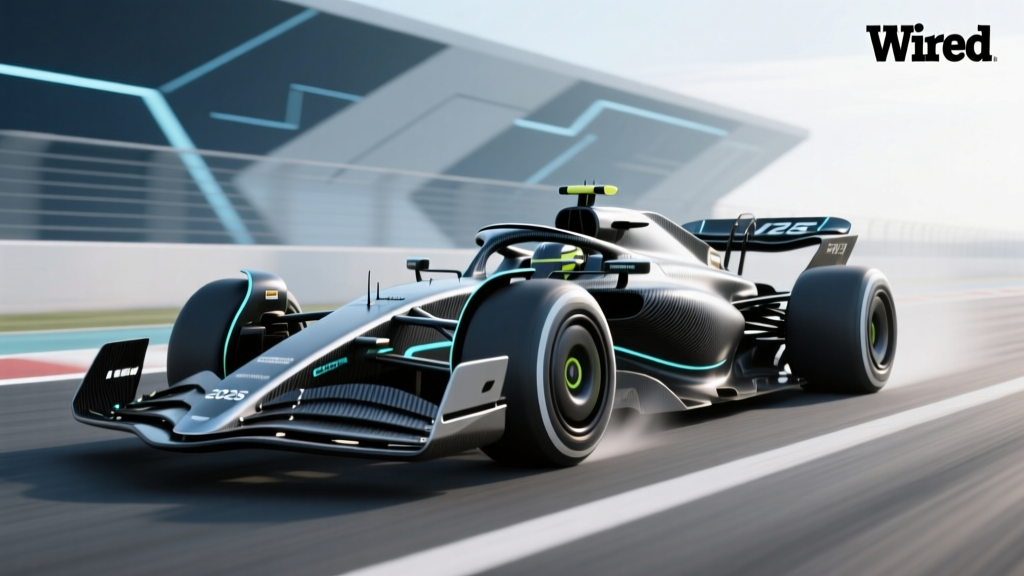
How Much Does a Formula 1 Car Cost? (2025 Data)
A Formula 1 car typically costs between $12 million and $15 million to build, with annual team budgets often exceeding $140 million due to continuous development, personnel, logistics, and testing.
What Determines the Cost of a Formula 1 Car?
The price tag of an F1 car isn't just about assembling parts—it reflects cutting-edge engineering, advanced materials, and relentless innovation. While the physical chassis and power unit represent major expenses, ongoing R&D, wind tunnel testing, and compliance with strict FIA regulations significantly influence total spending.
Key Cost Drivers in F1 Car Production
- Power Unit (Engine + ERS): One of the most expensive components, combining a 1.6L V6 turbocharged internal combustion engine with hybrid energy recovery systems.
- Chassis and Aerodynamics: Made from carbon fiber composites, designed using CFD and wind tunnel simulations for maximum downforce and efficiency.
- Transmission and Gearbox: Seamless-shift semi-automatic gearboxes with up to 8 gears, built to last only a few races under extreme stress.
- Suspension and Braking Systems: Custom-tuned titanium and aluminum components paired with carbon-ceramic brakes.
- Electronics and Software: Complex control units managing engine performance, telemetry, and driver aids.
- R&D and Testing: Millions spent annually on simulation, crash testing, and component durability validation.
Breakdown of Formula 1 Car Component Costs
| Component | Estimated Cost (USD) | Lifespan (Races) | Notes |
|---|---|---|---|
| Power Unit (ICE + MGU-K + MGU-H + ES + CE) | $10,000,000 | 7–8 | Teams allowed 3 per season before penalties; supplied by Ferrari, Mercedes, Red Bull Powertrains, or Renault. |
| Chassis (Monocoque + Bodywork) | $1,200,000 | 1 Season | FIA crash-tested carbon-fiber structure; rebuilt if damaged. |
| Front & Rear Wings | $150,000 | Multiple per season | Replaced after damage or upgraded during aerodynamic development. |
| Transmission (Gearbox) | $800,000 | 6 races | Penalties apply for unscheduled replacements. |
| Steering Wheel | $70,000 | Entire season | Custom-built with over 25 buttons and switches; includes telemetry display. |
| Tires (per set) | $2,000 | 1–2 race stints | Pirelli supplies all teams; drivers use 13 sets per race weekend. |
| Brake System (Discs & Calipers) | $150,000 per set | 2–3 races | Carbon-carbon discs operate at temperatures over 1,000°C. |
The table highlights that while some components like tires are relatively low-cost individually, their cumulative usage across a season adds up. The power unit alone accounts for nearly 70% of the car's construction cost. Additionally, the FIA’s strict limits on component usage—such as only three power units allowed per driver per season—create strategic financial trade-offs.
F1 Budget Cap and Its Impact on Car Development
Since 2021, the FIA has enforced a cost cap limiting team expenditures to $135 million per year (excluding driver salaries, marketing, and certain administrative costs). This rule aims to level the playing field and reduce spending arms races.
- The cap includes design, manufacturing, and testing of all car components.
- Top teams like Mercedes and Red Bull must now optimize spending rather than outspend rivals.
- Smaller teams benefit from reduced pressure to match budget giants.
Despite the cap, real-world total team budgets often exceed $140 million when excluded items are factored in, especially for marquee teams with high-profile drivers and global operations.
Cost Comparison: Top Teams vs. Midfield vs. Backmarker Teams
While the budget cap standardizes spending, historical investment and infrastructure create lasting performance gaps.
- Top Teams (Red Bull, Mercedes, Ferrari): Spend near the cap limit with superior facilities and R&D history.
- Midfield Teams (Alpine, McLaren, Aston Martin): Operate slightly below cap, focusing on targeted upgrades.
- Backmarker Teams (Haas, Williams): Often spend less due to smaller staff and reliance on customer parts.
Even with equal spending limits, legacy technology, simulator quality, and engineering talent give established teams a competitive edge.
Frequently Asked Questions About Formula 1 Car Costs
How much does it cost to build one Formula 1 car?
Building a single F1 car costs approximately $12–15 million, depending on the team and specification. This includes the chassis, power unit, electronics, and all mechanical systems. However, this is just the starting point—teams build multiple chassis per season for testing and backup purposes.
Why are F1 cars so expensive?
F1 cars are among the most technologically advanced machines in motorsport. They use aerospace-grade materials like carbon fiber, feature hybrid power units with complex energy recovery systems, and undergo millions in R&D. Each part is precision-engineered for peak performance under extreme conditions, contributing to the high cost.
Are there rules limiting how much teams can spend?
Yes, since 2021, the FIA has implemented a budget cap limiting team spending on car-related activities to $135 million per season. This excludes driver salaries, top executives' pay, and marketing, but covers design, manufacturing, testing, and travel related to the car.
Can you buy a retired Formula 1 car?
Yes, retired F1 cars can be purchased, though prices vary widely—from $500,000 for older models to over $10 million for championship-winning vehicles. However, cars built after 2014 cannot be used for road driving and are typically for display or track-day events only.
Does the cost of an F1 car include the driver?
No, the cost of the car itself does not include the driver’s salary. Top drivers like Max Verstappen or Lewis Hamilton earn tens of millions annually, which is separate from the $135 million budget cap governing car development and operations.
More Articles
 Did Athletes Swim in the Seine During 2024 Olympics?
 Best Basketball Shoes for Ankle Support: 2026 Buyer Guide
 Ultimate Tennis Guide: Rules, Equipment, Technique, Strategy, and Player Development
 How Many Laps Is 800m Swim?
 Volleyball Rotation Rules: Complete Guide to Overlaps, Faults & Strategies (2026)
 Olympic Hurdle Heights by Event & Gender
 Can Swimming Help You Lose Weight? Science-Backed Facts
 Can Cows Swim? Yes, Here's How and Why
 Cheap vs Premium Swim: Performance, Durability, and Value Decoded
 How Long Does an Ice Hockey Game Last? Full Breakdown