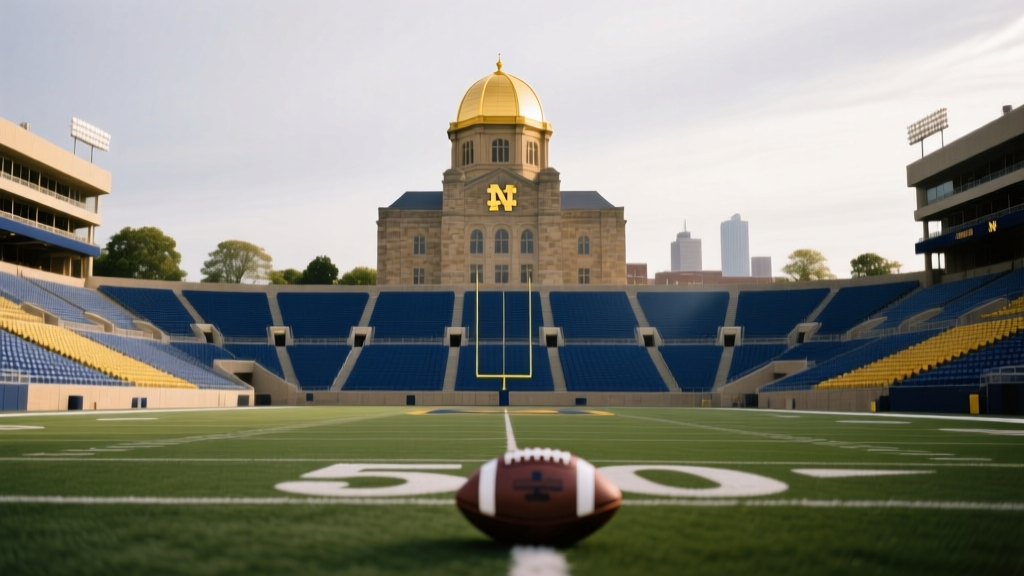
Where Does Notre Dame Play Football? Stadium Info & Facts
Notre Dame plays football at Notre Dame Stadium, located on the university's campus in South Bend, Indiana. This iconic venue has been the home of the Fighting Irish since 1930 and seats over 77,000 fans. Known for its rich tradition and electrifying game-day atmosphere, the stadium hosts most of Notre Dame's home games each season.
Notre Dame Football: Home Venue and Game-Day Experience
The University of Notre Dame's football team, one of the most storied programs in college football history, plays its home games at Notre Dame Stadium. Situated in South Bend, Indiana, the stadium is central to the identity and tradition of the Fighting Irish football program.
Key Features of Notre Dame Stadium
- Location: Notre Dame, Indiana (adjacent to South Bend)
- Opened: 1930
- Capacity: 77,622
- Surface: Synthetic turf (installed in 2014)
- Renovations: Major upgrades completed in 2014 and 2017
- Notable Feature: Touchdown Jesus mural visible from the stadium
The stadium is owned and operated by the university and is renowned for its intimate yet powerful fan experience. Unlike many Power Five programs that play in off-campus NFL stadiums, Notre Dame Stadium’s on-campus location enhances school spirit and accessibility for students and alumni.
History and Significance of Notre Dame Stadium
Since its opening in 1930 under legendary coach Knute Rockne, Notre Dame Stadium has hosted some of the most memorable moments in college football. The venue was originally built with a capacity of 54,000 and has undergone several expansions, most notably in 1997 and 2014–2017, which modernized facilities while preserving its classic design.
The stadium's unique features include:
- The "Shamrock Series" occasional neutral-site games, though primary home games remain in South Bend
- Student seating section known as the "Jeweled Shillelagh"
- Visionary architecture with unobstructed views from nearly every seat
Game Day Traditions at Notre Dame
Fans experience a deeply rooted set of traditions, including:
- Touchdown Jesus: The nickname for the Word of Life mural at Hesburgh Library, visible beyond the south end zone
- The Leprechaun Line: The mascot leads the team onto the field through a line of players
- Singing the Alma Mater: After every game, win or lose, fans and players sing "Notre Dame, Our Mother" together
- Victory March: One of the most recognized fight songs in sports
| Year | Season Record | Home Games Played | Home Wins | Attendance (Avg.) |
|---|---|---|---|---|
| 2023 | 10-3 | 7 | 7 | 76,817 |
| 2022 | 9-4 | 7 | 6 | 76,705 |
| 2021 | 12-2 | 7 | 7 | 76,920 |
| 2019 | 11-2 | 7 | 7 | 77,622 |
| 2018 | 12-1 | 7 | 7 | 77,622 |
The table shows consistent high attendance and strong home performance for Notre Dame over recent seasons. The team maintained a near-perfect home record between 2018 and 2023, winning 34 of 35 home games. Average attendance consistently exceeds 76,000, demonstrating robust fan support and the enduring appeal of watching Notre Dame play at home.
Does Notre Dame Ever Play Games Off-Campus?
While the vast majority of home games are played at Notre Dame Stadium, the program occasionally participates in the Shamrock Series, an initiative launched in 2009 to host one regular-season game per year at neutral sites across the U.S. These games aim to bring Notre Dame football to fans nationwide.
Past Shamrock Series locations have included:
- Yankee Stadium (New York, NY)
- Nissan Stadium (Nashville, TN)
- Alamodome (San Antonio, TX)
- Camping World Stadium (Orlando, FL)
Despite these events, Notre Dame Stadium remains the official and primary home venue for the Fighting Irish.
Frequently Asked Questions About Where Notre Dame Plays Football
Where exactly is Notre Dame Stadium located?
Notre Dame Stadium is located on the campus of the University of Notre Dame in Notre Dame, Indiana—just north of South Bend. The full address is 700 Eckman Center Drive, Notre Dame, IN 46556.
What is the seating capacity of Notre Dame Stadium?
The current seating capacity is 77,622, making it one of the largest on-campus stadiums in the NCAA. It ranks among the top 20 college football stadiums by size.
Has Notre Dame Stadium been renovated recently?
Yes, major renovations were completed between 2014 and 2017, totaling over $400 million. Upgrades included new video boards, premium seating, improved restrooms and concessions, and structural enhancements to maintain safety and comfort.
Can fans tour Notre Dame Stadium?
Yes, guided tours of Notre Dame Stadium and the surrounding campus are available year-round through the Notre Dame Visitor Center. Tours often include access to the locker room, field level, and press box, offering fans an inside look at the facility.
Why is Notre Dame Stadium sometimes called 'The House That Rockne Built'?
The nickname honors Knute Rockne, the legendary head coach who led Notre Dame to national prominence in the 1920s. Although he died before the stadium opened in 1930, his influence and success made the construction of the stadium possible, cementing his legacy in college football history.
More Articles
 Football Start Times: NFL & Premier League Schedules (2026)
 What Does DB Mean in Football? Explained
 What Does TOT Mean in Football? Explained
 Why Is a Football Called a Football?
 Where to Watch Colorado vs Baylor Football 2025
 Step and Safety: Football Equipment Analysis
 What Does RZ Mean in Football? Red Zone Explained
 Will Compton NFL Career Stats and Highlights
 College Football 25 Release Date & Details (2026)
 What Do You Call a Football Player? Term Explained