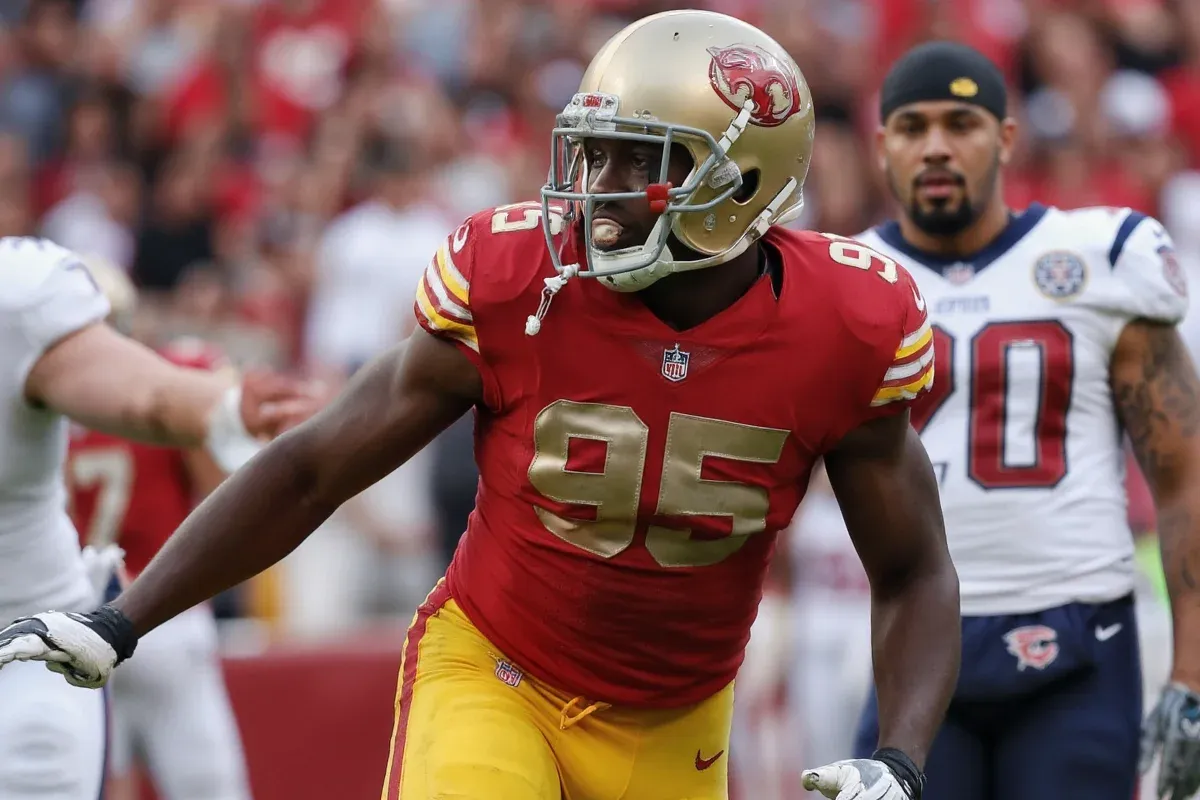
How Many Points Is a Safety in Football?
In American football, a safety is worth two points. This scoring play occurs when the offensive team is tackled or commits a foul in their own end zone.
\n\nWhat Is a Safety in Football?
\nA safety is a scoring event that awards the defending team two points. It happens under specific conditions within the offensive team's end zone. Unlike touchdowns, field goals, or extra points, safeties are relatively rare but can significantly influence game outcomes.
\n\nCommon Scenarios Leading to a Safety
\n- \n
- The ball carrier is tackled in their own end zone. \n
- The offensive team fumbles the ball out of bounds behind their goal line. \n
- An illegal forward pass is thrown from behind the goal line. \n
- The offense commits a penalty in their own end zone (e.g., holding or intentional grounding). \n
- A punt or kick is blocked and recovered by the defense in the end zone (if not returned for a touchdown). \n
How Does a Safety Affect Game Strategy?
\nSafeties are more than just a two-point score—they also result in a free kick from the offending team. After a safety, the team that gave up the points must perform a kickoff from their own 20-yard line, giving field position advantage to the scoring team.
\n\nStrategic Implications
\n- \n
- Field Position: The scoring team gains excellent field position after the free kick. \n
- Momentum Shift: Safeties often shift momentum due to their rarity and psychological impact. \n
- End-of-Half Tactics: Teams may intentionally take a safety to burn clock if they're leading late in a half. \n
- Punting Risk: Punters deep in their own territory risk being tackled or fumbling in the end zone. \n
| Season | \nNFL Games | \nTotal Safeties | \nSafeties Per Game | \n
|---|---|---|---|
| 2023 | \n272 | \n18 | \n0.066 | \n
| 2022 | \n272 | \n20 | \n0.074 | \n
| 2021 | \n272 | \n15 | \n0.055 | \n
| 2020 | \n256 | \n19 | \n0.074 | \n
| 2019 | \n256 | \n17 | \n0.066 | \n
The data shows that safeties occur in roughly 6–7% of NFL games annually, with slight fluctuations year to year. Despite rule changes and evolving offensive strategies, the frequency of safeties has remained relatively stable over the past five seasons.
\n\nRare Variations: The One-Point Safety
\nA one-point safety is an extremely rare occurrence in football. It can happen during a conversion attempt (extra point or two-point try) if the defensive team gains possession and then retreats into their own end zone and is tackled there.
\nThis has only occurred once in NCAA history (2013 Fiesta Bowl), but never in the NFL. However, it remains a legal possibility under current rules.
\n\nHistorical Significance of the Safety
\nThe safety has been part of American football since the early 20th century. Its value was standardized at two points in the 1920s as the sport evolved from rugby-style roots. Over time, safeties have played crucial roles in pivotal games, including playoff matchups where every point matters.
\n\nFrequently Asked Questions About Safeties in Football
\nHow many points is a safety in football?
\nA safety is worth two points in American football. It is awarded to the defensive team when the offensive team is tackled or commits a foul in their own end zone.
\nWhat happens after a safety is scored?
\nAfter a safety, the team that was scored upon must kick the ball off from their own 20-yard line. This is known as a free kick, and it gives the scoring team favorable field position.
\nCan you score 1 point in football without a touchdown?
\nYes, through a one-point safety during a conversion attempt. Though extremely rare, it’s possible if the defense gains possession and is tackled in its own end zone during an extra point or two-point try.
\nHas a safety ever decided a Super Bowl?
\nNo Super Bowl has ever been decided solely by a safety, but safeties have occurred in Super Bowls (e.g., Super Bowl XLVII). They contributed points but were not the sole deciding factor in any championship game.
\nIs a safety better than a field goal?
\nNo, a field goal is worth three points, while a safety is worth two. However, safeties provide additional strategic benefits like field position and momentum, which can be valuable in close games.
\nMore Articles
 Where Does Northwestern Play Football? Home Stadium Info
 Quarterback Roles in Football: Key Duties Explained
 Who Is the Top Football Player in the World in 2025?
 When Do the Oregon Ducks Play Football Again? 2025 Schedule
 Who Invented Fantasy Football? The True Origin Story
 How Long Is Halftime in NFL Football? Full Breakdown
 What Time Is the Huskers Football Game Today?
 Who Created the Game of Football? History & Origins
 What Time Does Monday Night Football Start?
 How Many Square Feet in a Football Field?