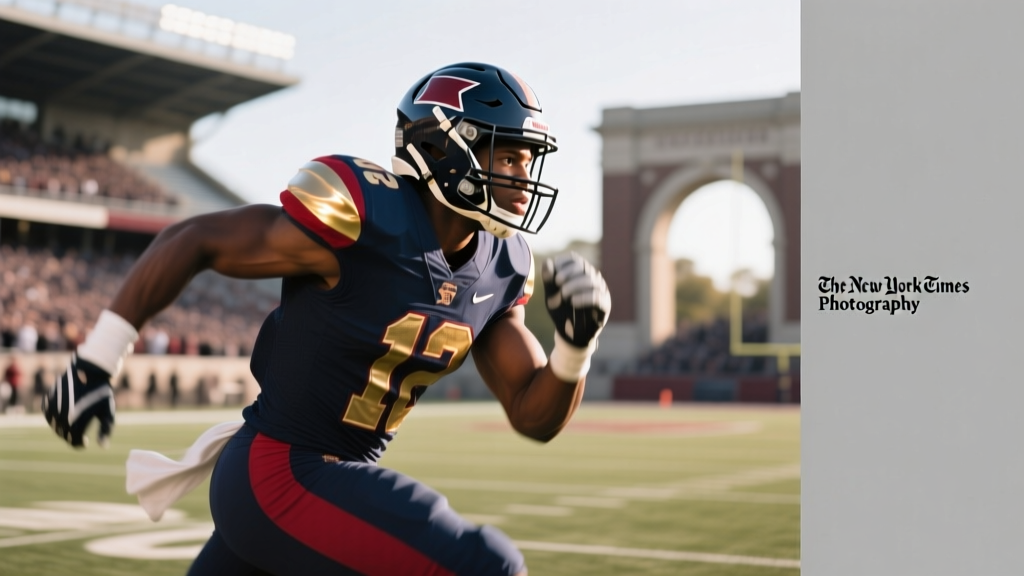
What Does NIL Stand For in College Football?
In college football, "NIL" stands for Name, Image, and Likeness. It refers to the rights of student-athletes to profit from their personal brand through endorsements, sponsorships, social media promotions, autograph sales, and other commercial opportunities—something that was not permitted before July 2021. The NCAA's policy change allowed athletes to monetize their fame while maintaining eligibility, revolutionizing collegiate sports.
What Is NIL in College Football?
The term NIL (Name, Image, Likeness) represents the legal right of college athletes to earn money based on their identity and popularity. Before 2021, NCAA rules strictly prohibited student-athletes from receiving compensation beyond scholarships, citing amateurism principles. However, growing legal pressure and public debate led to a landmark shift.
Key Components of NIL
- Name: Using an athlete’s name in advertisements or products.
- Image: Featuring photos, videos, or likenesses in marketing campaigns.
- Likeness: Representing an athlete’s persona, voice, or signature style in digital or physical form.
This change empowers athletes to sign endorsement deals, promote brands on social media, launch merchandise lines, and participate in paid appearances—all while remaining enrolled students.
How Did NIL Change College Football?
Prior to July 1, 2021, the NCAA enforced strict amateurism rules preventing athletes from earning outside income related to their athletic status. Violations could lead to loss of eligibility or sanctions against programs.
Milestones Leading to NIL Adoption
- 2014: Ed O’Bannon lawsuit challenges NCAA’s use of athlete likenesses without pay.
- 2019: California passes SB 206, allowing athletes to profit from NIL starting 2021.
- 2021: NCAA adopts interim NIL policy following lack of federal consensus.
- 2023–2025: Over 30 states enact NIL laws; schools establish compliance programs and collectives.
The ruling did not make athletes employees but opened doors for third-party collectives—fan-funded groups supporting athletes via contracts for promotional work.
Who Benefits Most from NIL Deals?
While all athletes can pursue NIL opportunities, those with high visibility typically secure larger deals. Star quarterbacks, Heisman contenders, and social media influencers see disproportionate earnings.
| Athlete | School | Sport | Estimated NIL Value (2024) | Primary Income Source |
|---|---|---|---|---|
| Dillon Gabriel | Oregon | Football (QB) | $1.4M | Social media, local endorsements |
| Caleb Williams | USC | Football (QB) | $1.2M | Apparel, tech partnerships |
| Jalin Daniels | Oregon | Football (QB) | $850K | Collective support, camps |
| Quinn Ewers | Texas | Football (QB) | $750K | Energy drink brand, autographs |
| Jack Sawyer | Ohio State | Football (LB) | $600K | Collective, podcast sponsorships |
Data shows quarterback dominance in NIL valuations, reflecting marketability and media exposure. Oregon and USC lead in fostering athlete branding ecosystems. Collective-driven markets significantly boost earnings, especially in Power Five conferences.
Rules and Regulations Around NIL
Although athletes can now earn from NIL, several restrictions remain:
- No pay-for-play: Compensation must not be tied directly to performance.
- No school payment: Institutions cannot pay athletes directly through NIL (though they may facilitate connections).
- Disclosure required: Most schools require athletes to report NIL deals for compliance.
- Amateur status preserved: Athletes retain eligibility as long as they follow state and conference guidelines.
NCAA vs. State Policies
Federal NIL legislation has stalled, leaving regulation fragmented across states. Some states ban collectives; others encourage them. This patchwork creates recruiting advantages for schools in NIL-friendly regions.
Impact on Recruiting and Team Dynamics
NIL has transformed college recruiting. Top prospects now consider potential earning power alongside academics and coaching staff. Programs with strong collective funding—like Alabama, Georgia, and LSU—gain competitive edges.
Emerging Trends
- Transfer portal influence: Athletes transfer for better NIL opportunities.
- Brand building early: High school recruits sign NIL deals pre-enrollment.
- Equity gaps: Revenue disparities persist between male/female and major/minor sports.
Frequently Asked Questions About NIL in College Football
What does NIL stand for in college football?
NIL stands for Name, Image, and Likeness—the rights of student-athletes to earn money from their personal brand through endorsements, social media content, autographs, and appearances.
When did NIL become legal in college football?
NIL became officially permitted by the NCAA on July 1, 2021, following state legislation and court rulings challenging the organization’s amateurism model.
Can colleges pay athletes directly through NIL?
No, schools cannot directly pay athletes via NIL. However, they can help connect athletes with third-party sponsors or collectives that provide compensation for promotional services.
Do all college football players get NIL money?
No, only about 15–20% of Division I athletes have active NIL deals. Earnings are highly concentrated among stars, particularly quarterbacks and high-profile recruits.
Are there limits on how much a college athlete can earn from NIL?
There is no cap on earnings, but athletes must report income for tax purposes and ensure deals comply with school, conference, and state regulations.
More Articles
 How Many Men on a Football Field? Full Breakdown
 Cheap vs Premium Football Boots: Performance, Durability, and Real-World Value
 First NFL Game of 2025 Season Date & Details
 Who Plays Football Tonight on TV? Games & Channels
 Who Plays Tomorrow Night Football? Key Matches & Times
 Who Plays Football on Sunday in the NFL?
 How Many People Watch Football Worldwide?
 Who Plays Thanksgiving Football? NFL Teams & Schedule
 Football Games This Sunday: Oct 26, 2026 Schedule
 What Time Is the Auburn Football Game Today?