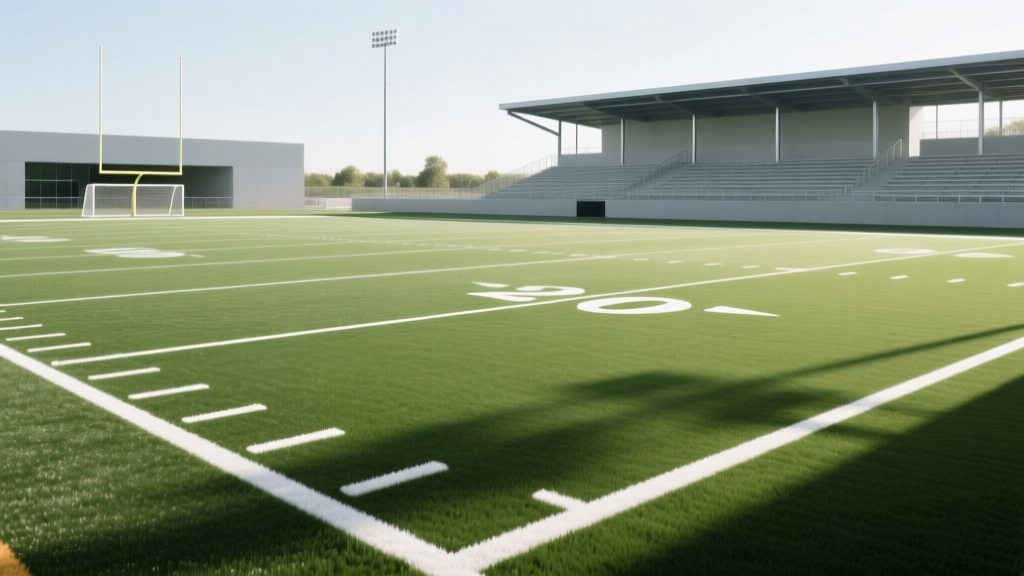
How Much Does a Turf Football Field Cost in 2025?
A full-size synthetic turf football field typically costs between $500,000 and $1.2 million to install, with variables including field size, infill type, drainage systems, regional labor rates, and whether it’s a FIFA-certified surface. Maintenance over 10–15 years adds $10,000–$25,000 annually.
Understanding the Cost of Installing a Turf Football Field
The upfront investment for a synthetic turf football field can be substantial, but understanding the breakdown of expenses helps organizations budget effectively. Unlike natural grass, which requires ongoing intensive maintenance, artificial turf offers long-term durability and usability in all weather conditions. However, initial construction costs are influenced by several technical and logistical factors.
Key Factors That Influence Turf Field Costs
- Field Size and Specifications: Full-size FIFA-regulation fields (100m x 64m) require more materials than smaller or high school-sized fields.
- Turf Fiber Type: Polyethylene (PE) is common for player comfort; polypropylene (PP) is stiffer and often used in lower-traffic areas.
- Infill Materials: Crumb rubber, sand, or organic infills affect both performance and price. Cryogenic crumb rubber is more expensive but offers better shock absorption.
- Drainage System: Perforated pipe networks and gravel base layers are essential for water management, especially in rainy climates.
- Sub-base Preparation: Soil stabilization, grading, and compaction add significant labor and equipment costs.
- Labor and Regional Rates: Installation crews in urban or high-cost regions charge more per hour.
- Permits and Site Work: Fencing, lighting, irrigation controls, and ADA-compliant access paths increase total project cost.
Cost Breakdown by Component
To better understand where the money goes, here's a detailed cost analysis of a typical full-size synthetic turf football field installation in the United States as of 2025.
| Component | Description | Average Cost (USD) |
|---|---|---|
| Site Preparation | Clearing, grading, soil testing, erosion control | $50,000 – $100,000 |
| Sub-base Construction | Crushed stone layer (6–12 inches), compaction | $80,000 – $150,000 |
| Drainage System | Pipe network, catch basins, gravel backfill | $40,000 – $75,000 |
| Synthetic Turf System | FIFA-Qualified 60mm pile height, PE fibers | $120,000 – $200,000 |
| Infill Materials | Cryogenic crumb rubber + silica sand blend | $30,000 – $50,000 |
| Installation Labor | Professional crew over 4–6 weeks | $60,000 – $100,000 |
| Miscellaneous | Fencing, line painting, permits, testing | $20,000 – $40,000 |
| Total Estimated Cost | $400,000 – $715,000 |
The table reflects average U.S. pricing for a mid-to-high-end synthetic turf system suitable for collegiate or professional use. Regional variations—especially in the Pacific Northwest or Northeast due to higher labor and drainage complexity—can push costs toward the upper end. Additionally, opting for non-FIFA certified turf or reduced sub-base depth may lower costs but compromise longevity and safety.
Additional Long-Term Expenses
While the initial installation is the largest expense, ongoing costs must also be factored into financial planning.
Maintenance and Operational Costs
- Annual Maintenance: $10,000–$25,000 for brushing, decompaction, infill leveling, and spot repairs.
- Field Testing: Every 2–3 years, labs test for G-max (impact attenuation), fiber wear, and contamination ($3,000–$7,000 per test).
- Lifespan: Most quality turf systems last 10–15 years before full replacement is needed.
- Repairs: Damage from heavy equipment or extreme weather may require unplanned expenditures.
Comparison: Synthetic vs. Natural Grass Over 10 Years
Although synthetic turf has a higher initial cost, its long-term savings come from reduced water, mowing, fertilization, and re-sodding needs. A natural grass field may cost $150,000 to install but require $50,000+ annually in upkeep—totaling $650,000+ over a decade. In contrast, synthetic turf averages $600,000 up front plus $200,000 in maintenance—offering potential savings in high-use environments.
Funding and Cost-Saving Strategies
Many schools, municipalities, and clubs offset costs through creative financing and partnerships.
- Grants: Organizations like the NFL Foundation or FIFA Forward Program offer funding for sports infrastructure.
- Public-Private Partnerships: Local businesses sponsor fields in exchange for branding rights.
- Phased Installation: Install the base first, delay turf laying until funds are secured.
- Bid Comparisons: Obtain quotes from at least three certified synthetic turf contractors.
- Eco-Infill Options: While pricier upfront, coconut fiber or cork blends reduce heat retention and environmental concerns.
Common Questions About Turf Football Field Costs
How much does a high school turf football field cost?
A high school regulation turf football field typically ranges from $400,000 to $800,000 depending on size, region, and included amenities like lighting or bleachers. Smaller fields or simplified drainage can reduce costs.
What is the cheapest type of synthetic turf field?
The most affordable option uses non-infill hybrid systems or shorter pile heights with sand-only infill, costing as low as $300,000 for a partial field. However, these may not meet NCAA or FIFA performance standards and have shorter lifespans.
How long does a synthetic turf football field last?
Most high-quality synthetic turf fields last 10 to 15 years with proper maintenance. UV exposure, usage frequency, and climate affect degradation rates. Some components, like infill, may need replenishing after 7–10 years.
Are there hidden costs in installing a turf field?
Yes. Hidden costs include soil remediation, utility relocation, stormwater management compliance, post-installation testing, and extended permitting delays. Budgeting an extra 10%–15% beyond initial estimates is recommended.
Does turf save money compared to natural grass?
In high-usage settings like schools or public parks, synthetic turf saves money over time due to lower water, labor, and chemical costs. However, in low-use scenarios, natural grass may be more economical despite higher maintenance demands.
More Articles
 How Many Square Yards in a Football Field?
 Who Invented Football and Where Was It Created?
 When Do the Denver Broncos Play Football in 2025?
 What Do Stickers on Football Helmets Mean?
 What Size Football Do High School Players Use?
 Buccaneers Game Today: Start Time & How to Watch
 What Time Is the NFL Game On Tonight? 2025 Schedule
 What Division Is Harvard Football? FCS Explained
 What Does ATH Mean in College Football?
 Where Was Football Invented? The True Origin Explained