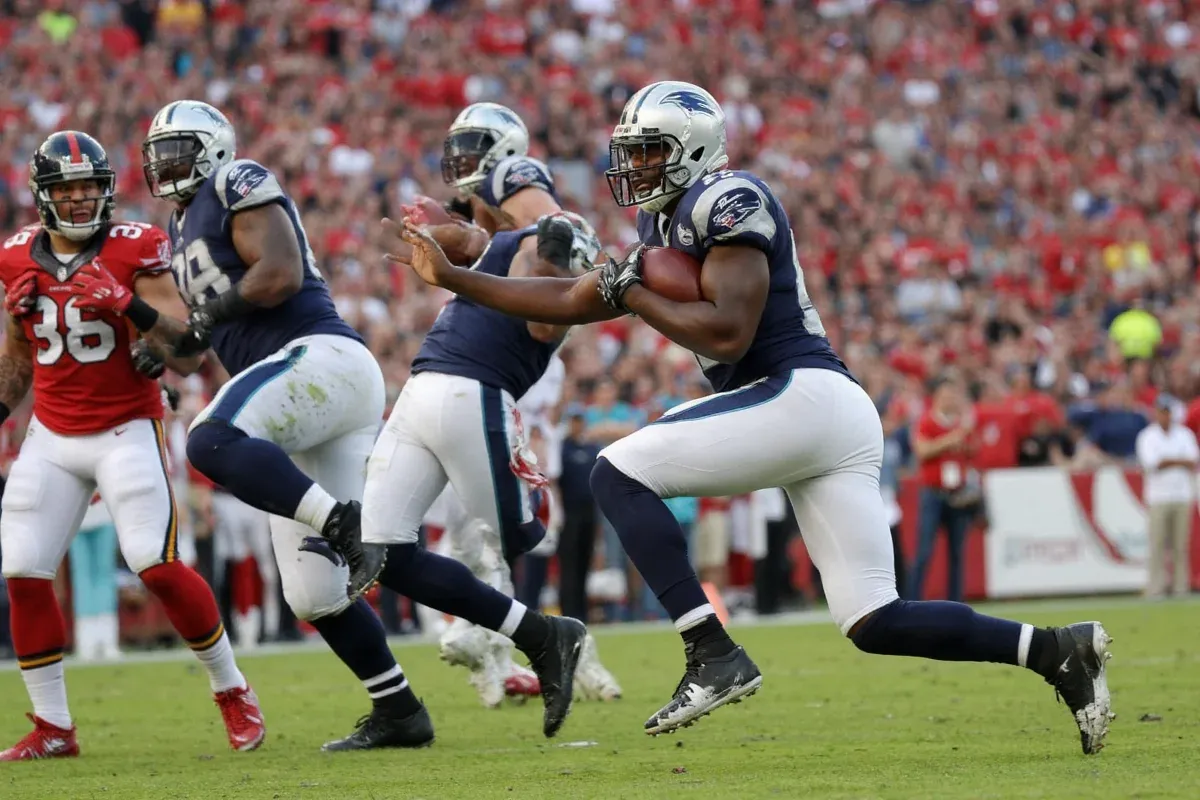
How Much Does an NFL Player Make in 2025?
In 2025, the average NFL player earns approximately $2.7 million annually, though salaries vary widely based on position, experience, team, and performance. Rookie players start at a minimum of around $750,000, while elite quarterbacks can earn over $50 million per year with bonuses and contracts.
Understanding NFL Player Salaries in 2025
The National Football League (NFL) is one of the most lucrative professional sports leagues globally. Player compensation is shaped by league revenue, salary caps, collective bargaining agreements (CBA), and individual performance. While the average salary exceeds $2.7 million, most players earn significantly less due to the skewed distribution caused by top-tier contracts, especially for star quarterbacks.
Key Factors Influencing NFL Earnings
- Position: Quarterbacks typically command the highest salaries.
- Experience: Veterans with proven track records earn more than rookies.
- Performance Bonuses: Incentives tied to stats, Pro Bowl selections, or Super Bowl wins.
- Market Demand: Free agency and franchise tags impact contract value.
- Team Revenue: Market size and team profitability influence spending capacity.
Breakdown of Average Salaries by Position
Salaries differ dramatically across positions. The following table shows median annual earnings for key roles in the 2024-2025 season.
| Position | Average Annual Salary (2025) | Top Earner (2025) | Minimum Salary |
|---|---|---|---|
| Quarterback | $21,800,000 | Patrick Mahomes ($45M) | $750,000 |
| Wide Receiver | $5,600,000 | Cooper Kupp ($25M) | $750,000 |
| Edge Rusher | $4,900,000 | Myles Garrett ($30M) | $750,000 |
| Cornerback | $4,200,000 | Darius Slay ($20M) | $750,000 |
| Running Back | $3,100,000 | Christian McCaffrey ($16M) | $750,000 |
| Offensive Lineman | $5,300,000 | Trent Williams ($28M) | $750,000 |
| Linebacker | $4,000,000 | Matthew Judon ($25M) | $750,000 |
| Defensive Lineman | $4,700,000 | Aaron Donald ($25M) | $750,000 |
The data reveals that quarterbacks dominate the pay scale, with an average salary nearly four times higher than the next highest position group. Offensive linemen and edge rushers also rank highly due to their critical roles in protecting the quarterback and pressuring opponents. Despite high averages, many players earn near the league minimum, especially backups and special teams contributors.
Rookie vs. Veteran Contracts
Newly drafted players operate under standardized rookie wage scales set by the CBA. First-round picks receive larger signing bonuses and guaranteed money, while later-round and undrafted players start at the league minimum of $750,000 in 2025.
Key Contract Terms Explained
- Signing Bonus: Upfront payment, often fully guaranteed.
- Guaranteed Money: Amount protected from release or injury.
- Franchise Tag: One-year deal allowing teams to retain top free agents at a premium rate.
- Cap Hit: Salary and bonuses counted against the team’s $255.4 million salary cap (2025).
How the Salary Cap Shapes Team Payrolls
The NFL implemented a hard salary cap in 1994 to promote competitive balance. For 2025, the cap is set at $255.4 million per team. This limit forces franchises to make strategic decisions about which players to retain or release.
Teams must ensure their total player compensation stays within this cap, factoring in base salaries, bonuses, and prorated signing bonuses. Exceeding the cap results in penalties, including fines and loss of draft picks.
Frequently Asked Questions About NFL Player Salaries
What is the average salary of an NFL player in 2025?
The average annual salary for an NFL player in 2025 is approximately $2.7 million. However, the median salary is lower—around $1.5 million—due to the disproportionate earnings of elite quarterbacks and franchise players.
Who is the highest-paid NFL player in 2025?
Patrick Mahomes of the Kansas City Chiefs is the highest-paid player, earning $45 million annually under his 10-year, $450 million contract extension. His deal includes substantial guarantees and performance incentives.
Do all NFL players make millions?
No. While top stars earn tens of millions, many players, especially rookies, backups, and practice squad members, earn between $750,000 and $1 million. Practice squad players make as little as $12,000 per week during the season.
How much do rookie NFL players make?
Rookies sign under a tiered system based on draft position. First-round picks receive multi-year deals with signing bonuses, while undrafted rookies start at the league minimum of $750,000 in 2025. They may also receive small signing incentives.
Are NFL contracts fully guaranteed?
Unlike some leagues, NFL contracts are rarely fully guaranteed. Only select top-tier deals—especially for quarterbacks—include full guarantees. Most contracts have partial guarantees, meaning players risk losing future earnings if cut before the contract ends.
More Articles
 What Channel Is Detroit Lions Football On?
 Where Is College Football National Championship 2025?
 What College Football Games Are On Tomorrow? Full Schedule
 Has Arkansas Won a National Championship in Football?
 Monday Night Football Announcers 2026 | ESPN Team
 What Do Football Safeties Do? Key Roles Explained
 Who Is the Tallest Footballer in the World?
 How Many Weeks of College Football Are There?
 Who Makes NFL Footballs? Wilson Facts & History
 How Many Quarters in a Football Game? Full Breakdown