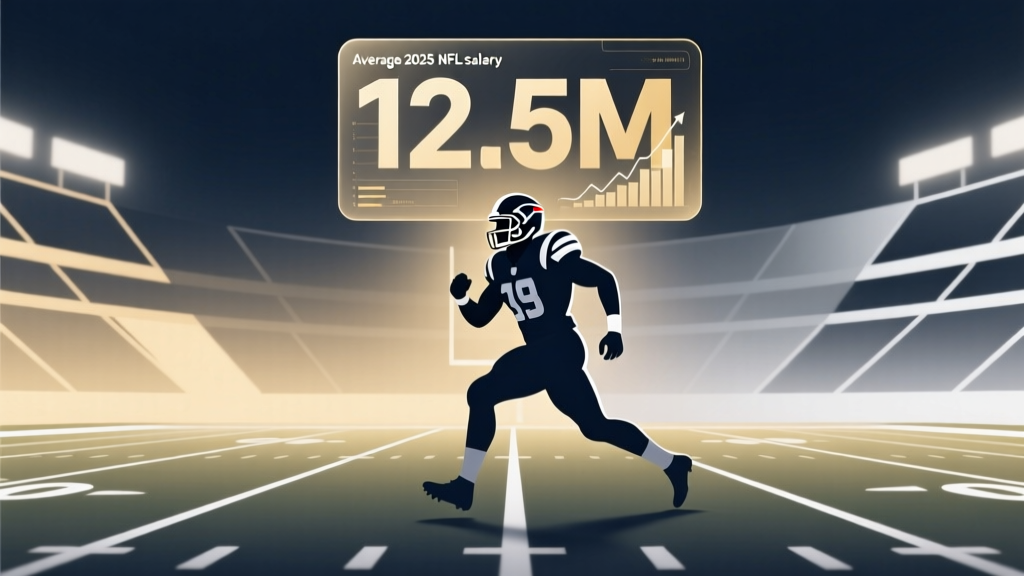
How Much Do Pro Football Players Make? (2025 Data)
Professional football players' earnings vary widely by league, country, and individual stardom, but top-tier athletes in leagues like the English Premier League or La Liga can earn an average annual salary between $2 million and $30 million. For example, global icons such as Lionel Messi and Cristiano Ronaldo have historically earned over $70 million per year including endorsements.
Understanding Professional Football Salaries
The income of professional footballers spans a broad spectrum, influenced by league prestige, marketability, performance, and commercial appeal. While elite players command astronomical wages, many semi-professional athletes earn modest incomes.
Factors That Influence Player Earnings
- League and Country: Players in top European leagues generally earn more than those in lower-tier or non-European leagues.
- Player Position: Star forwards and midfielders often receive higher pay due to goal-scoring impact and visibility.
- Performance and Reputation: Award winners and consistent performers attract higher salaries and bonuses.
- Endorsements and Sponsorships: Off-pitch income from brands like Nike or Adidas can exceed base salaries for top stars.
- Contract Length and Signing Bonuses: Long-term deals may include large upfront payments and performance incentives.
Average Salaries Across Major Football Leagues (2024-2025)
| League | Average Annual Salary (USD) | Top Earner (2024) | Top Earner Salary (USD) |
|---|---|---|---|
| English Premier League | $5,100,000 | Kevin De Bruyne | $26,000,000 |
| La Liga (Spain) | $4,300,000 | Jude Bellingham | $22,500,000 |
| Bundesliga (Germany) | $3,800,000 | Harry Kane | $21,000,000 |
| Serie A (Italy) | $2,900,000 | Dusan Vlahovic | $15,000,000 |
| Ligue 1 (France) | $2,500,000 | Kylian Mbappé | $100,000,000* |
| Major League Soccer (USA) | $650,000 | Lionel Messi | $45,000,000 |
The data shows a significant gap between average player earnings and top earners, especially in Ligue 1 where Kylian Mbappé's reported package includes substantial image rights and performance bonuses. Leagues like the Premier League maintain high average salaries due to lucrative broadcasting deals. Meanwhile, MLS leverages designated player rules to attract global stars despite lower overall payroll averages.
Breakdown of Income: Base Salary vs. Endorsements
For elite footballers, on-field salaries are often just part of their total income. Endorsement deals with sportswear brands, watchmakers, and financial institutions can significantly boost earnings.
Top-Earning Players Including Sponsorships (2024)
- Lionel Messi: Estimated $75M total income ($45M salary, $30M endorsements)
- Cristiano Ronaldo: Estimated $115M total income ($25M salary, $90M endorsements)
- Neymar Jr.: Estimated $90M total income ($20M salary, $70M endorsements)
- Kylian Mbappé: Estimated $120M total income ($100M salary + bonuses, $20M endorsements)
- Mohamed Salah: Estimated $25M total income ($15M salary, $10M endorsements)
Ronaldo and Messi dominate off-pitch revenue due to massive social media followings and global brand partnerships. Nike, Herbalife, and CR7-branded products contribute heavily to their portfolios.
How Young Players Start Their Earning Journey
Young professionals signing first contracts typically earn modest wages, especially outside elite academies. In England, a Championship-level academy graduate might earn $50,000–$100,000 annually, while Premier League youth players may start at $1,000–$5,000 per week.
- Apprentice wages in top academies range from $500 to $2,000 per week.
- First professional contracts often include performance-based escalators.
- Loan spells to lower divisions usually come with reduced pay.
Regional Differences in Player Compensation
Football salaries reflect economic disparities across regions. Wealthy Western European clubs outspend others, while emerging markets use incentive-heavy contracts.
Examples of Regional Pay Trends
- Qatar and UAE: High tax-free salaries to attract aging stars (e.g., $10M+ for players like Riyad Mahrez).
- China (CSL): Once offered massive contracts; now more regulated after spending caps.
- South America: Lower base pay but strong potential for transfer gains.
- Africa: Domestic leagues pay modestly; top talent moves abroad early.
Frequently Asked Questions About Professional Football Player Salaries
How much does the average professional football player make?
The global average varies greatly, but in top European leagues, the average is between $2 million and $5 million annually. In lower divisions or smaller countries, players may earn under $100,000 per year.
Who is the highest-paid football player in 2025?
As of 2025, Kylian Mbappé is considered the highest-paid footballer, earning approximately $120 million annually when including his salary, bonuses, and image rights from Paris Saint-Germain.
Do football players get paid weekly or monthly?
Most professional footballers are paid on a monthly basis, though some contracts specify weekly installments. Payment frequency depends on club policy and national labor norms.
Are women's football players paid less than men?
Yes, there is a significant pay gap. Top women players like Sam Kerr or Alex Morgan earn between $500,000 and $1.5 million annually, far below male counterparts, though efforts are underway to close the gap through equal pay initiatives.
Do footballers earn money from transfers?
Players do not directly profit from transfer fees, but many contracts include sell-on clauses or loyalty bonuses. Agents receive commissions, and players may get signing-on fees from new clubs.
In summary, professional football salaries range from modest livable wages to nine-figure annual packages for global superstars. The combination of league economics, individual performance, and commercial appeal determines a player’s true earning potential.
More Articles
 Has Oregon Won a Football National Championship?
 When Does Football Start in 2025? Key Dates by League
 When Is Football Season? NFL & College Dates for 2025
 How Long Does an American Football Match Last?
 When Is the Football Season? Key Dates by League
 When Did the Pro Bowl Become Flag Football?
 Did Andy Reid Play Football? Playing Career Revealed
 How Many National Championships Does Alabama Have?
 Seahawks Final Score: Seahawks 27, Rams 24 - Oct 13, 2025
 Where to Watch Ball State vs Miami Hurricanes Football 2025