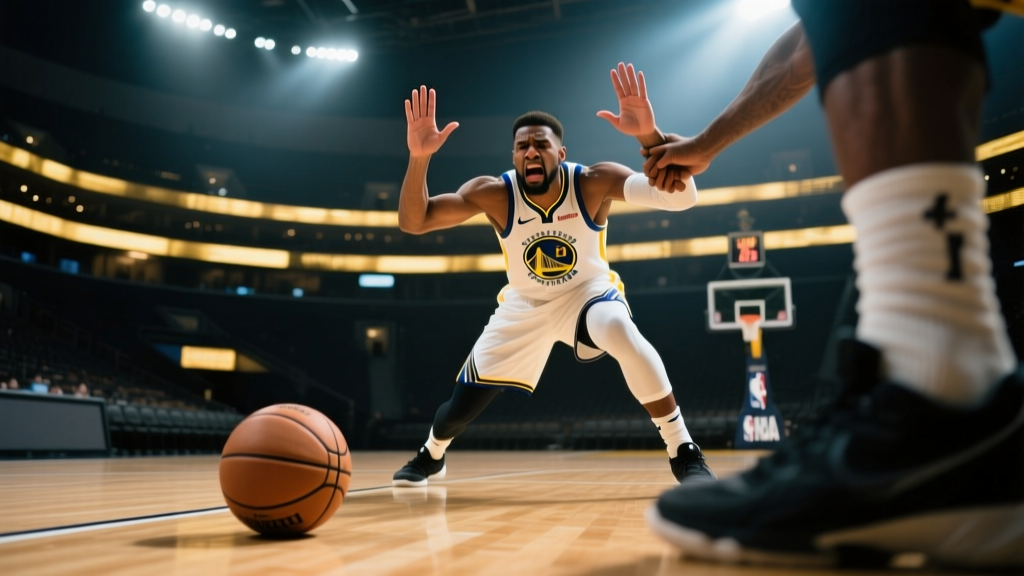
What Does PF Mean in Basketball? Personal Foul Explained
In basketball, 'PF' stands for Personal Foul, a rule violation charged to a player for illegal physical contact with an opponent. Each player is allowed a limited number of personal fouls—typically six in the NBA and five in college basketball—before fouling out of the game.
What Is a Personal Foul (PF) in Basketball?
A personal foul (PF) is the most common type of foul in basketball and refers to illegal physical contact that hinders an opponent during play. These fouls are tracked individually per player and collectively for the team. Exceeding the foul limit results in disqualification from the game.
Common Types of Personal Fouls
- Hand-checking: Using hands to impede ball handler movement
- Blocking: Illegal positioning to prevent opponent’s drive
- Charging: Offensive player initiating illegal contact
- Holding: Grabbing an opponent to restrict motion
- Reaching in: Illegally extending arms to steal the ball
NBA vs. NCAA: PF Rules Comparison
The rules around personal fouls vary slightly between leagues, especially regarding how many fouls a player can commit before being disqualified.
| League | Fouls Allowed Per Player | Foul Out Rule | Team Fouls Reset Time | Free Throws After Team Fouls |
|---|---|---|---|---|
| NBA | 6 | Player disqualified after 6th foul | Per quarter | After 5th team foul per quarter |
| NCAA Men | 5 | Player disqualified after 5th foul | Per half | After 7th team foul in a half (bonus), 10th (double bonus) |
| NCAA Women | 5 | Player disqualified after 5th foul | Per quarter | After 5th team foul per quarter |
| FIBA | 5 | Player disqualified after 5th foul | Per quarter | After 4th team foul per quarter |
The data shows key differences in foul tolerance across leagues. The NBA allows one extra foul before disqualification compared to other leagues, while FIBA enforces stricter team foul limits. NCAA women's basketball aligns more closely with NBA timing due to its quarterly reset system.
Impact of High PF Numbers on Player Performance
Accumulating too many personal fouls affects both individual players and team strategy. Coaches often bench key players late in games to avoid fouling out, which can weaken defensive intensity.
Strategic Considerations with PF Management
- Coaches may pull starters with 4–5 fouls in critical game moments
- Players alter aggression level to stay in the game
- High-PF centers risk missing overtime if fouled out
- Opponents may target high-foul players to exploit mismatches
Flagrant and Technical Fouls vs. Personal Fouls
While all are recorded under a player’s total fouls, not all are counted as standard personal fouls:
- Technical Foul: Non-contact misconduct (e.g., arguing with referees)
- Flagrant Foul: Excessive or dangerous contact; Flagrant 2 results in ejection
- Personal Foul: Standard in-game contact violations
Technical and flagrant fouls count toward a player’s total foul count but carry additional penalties like free throws or ejections.
Historical Trends in Personal Foul Averages
Over the past decades, average personal fouls per game have declined due to rule changes favoring offensive flow and reduced physicality.
| Season | Average PF Per Game (Team) | Notable Rule Changes |
|---|---|---|
| 1990–91 | 24.3 | Hand-checking allowed |
| 2000–01 | 22.1 | Zone defense introduced |
| 2010–11 | 19.8 | Crackdown on perimeter hand-checking |
| 2020–21 | 18.4 | Emphasis on freedom of movement |
| 2024–25 | 17.6 | Strict enforcement on defensive fouls |
The trend indicates a steady decrease in team fouls per game, reflecting the league’s shift toward faster-paced, less physical gameplay. This benefits guards and scorers while pressuring defenders to adapt technique over strength.
Frequently Asked Questions About PF in Basketball
What does PF mean in basketball stats?
PF stands for Personal Foul in basketball statistics, indicating the number of illegal physical contacts a player has committed during a game or season. It is tracked per game and accumulates over time.
How many personal fouls before a player fouls out?
In the NBA, a player fouls out after committing six personal fouls. In NCAA men’s and women’s basketball, the limit is five. International games (FIBA) also use a five-foul limit.
Do technical fouls count as personal fouls?
Technically, yes—they count toward a player’s total foul count—but they are not classified as personal fouls. Technical fouls are for non-contact violations like unsportsmanlike conduct.
What happens when a team commits too many fouls?
When a team exceeds the team foul limit in a quarter or half, the opposing team enters the bonus, meaning they shoot free throws on subsequent non-shooting fouls.
Who holds the record for most personal fouls in NBA history?
Danny Ainge holds the record for most personal fouls in NBA playoff history with 479. Regular-season leader is Kareem Abdul-Jabbar with 4,657 career personal fouls.
Understanding what PF means in basketball is essential for fans, players, and coaches alike. Personal fouls influence game pace, player availability, and strategic decisions throughout the season.
More Articles
 Basketball Shoes: Best Online & In-Store (2026)
 Standard Basketball Size by League & Age
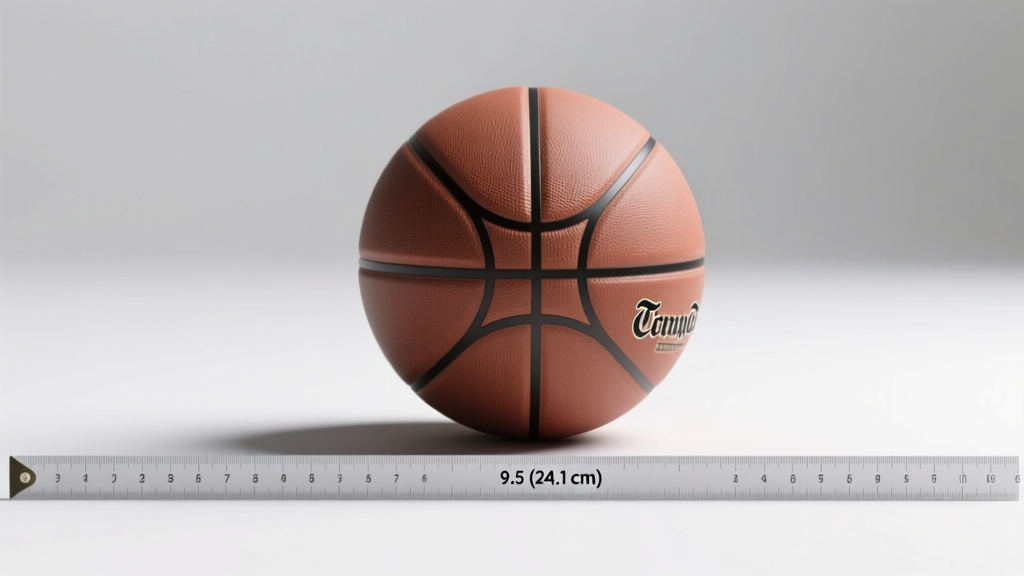 How Wide Is a Basketball? Official Sizes & Dimensions
 Facility Maintenance for Basketball
 How Tall Is a Basketball Pole? Official Heights by Level
 Who Won the Duke Basketball Game? Final Score & Stats
 UK Basketball Live Stream & TV: Watch Today
 How Long Do Basketball Games Last? Full Breakdown
 Gold Medal Basketball Game Time: Paris 2024 Schedule
 What Time Is the Boston Celtics Game Today?