Basketball Knee Brace Guide: Prevention & Recovery
Why Basketball Players Need Knee Support
Basketball involves constant jumping, landing, cutting, and pivoting — all of which place enormous stress on the knee joint. ACL tears, patellar tendinitis (jumper's knee), and meniscus injuries are among the most common basketball injuries. The right knee brace can reduce risk and aid recovery.
Types of Knee Braces
Knee Sleeves
Compression sleeves provide warmth, mild support, and improved blood flow. They do not prevent serious injuries but reduce soreness and improve proprioception. Best for: general prevention, mild patellar tendinitis, and post-game recovery. Price: $15-$40.
Patellar Straps
A thin band worn below the kneecap that applies targeted pressure to the patellar tendon. This reduces strain on the tendon during jumping. Best for: jumper's knee (patellar tendinitis). Price: $15-$30.
Hinged Knee Braces
Rigid braces with metal or plastic hinges on the sides. They prevent lateral movement and hyperextension. Best for: ACL recovery, MCL injuries, and post-surgery protection. Price: $50-$200.
Wraparound Braces
Adjustable braces with Velcro closures that offer customizable compression. Easier to put on and take off than pull-over sleeves. Best for: players who need moderate support and frequent adjustment. Price: $25-$60.
Sizing Guide
Measure the circumference of your leg at the center of the kneecap. Most brands provide a size chart: Small (12-14 inches), Medium (14-16 inches), Large (16-18 inches), XL (18-20 inches). The brace should be snug without cutting off circulation or sliding during movement.
When to Wear One
- Prevention: Wear a sleeve during every practice and game if you have a history of knee discomfort
- Recovery: Follow your doctor's recommendation for hinged braces post-injury
- Post-game: Compression sleeves aid recovery when worn for 1-2 hours after play
Important Note
A knee brace is not a substitute for proper strengthening. Work with a trainer to build quad, hamstring, and glute strength — these muscles are your best natural knee protection.
More Articles
 Where to Watch Utah State vs Colorado State Basketball 2025
 Who Won the Most NCAA Basketball Championships?
 How Tall Is an NBA Basketball Hoop? 10 Feet Explained
 What Channel Is NBA Basketball On Today? (October 2025)
 What Does a Center in Basketball Do? Key Roles Explained
 How Many Sq Ft in a Basketball Court? Sizes by League
 When Does High School Basketball Start? 2025 Season Guide
 Who Is Playing Basketball Tonight? NBA Schedule & Matchups
 NBA Basketball Size: Official Dimensions & Guidelines
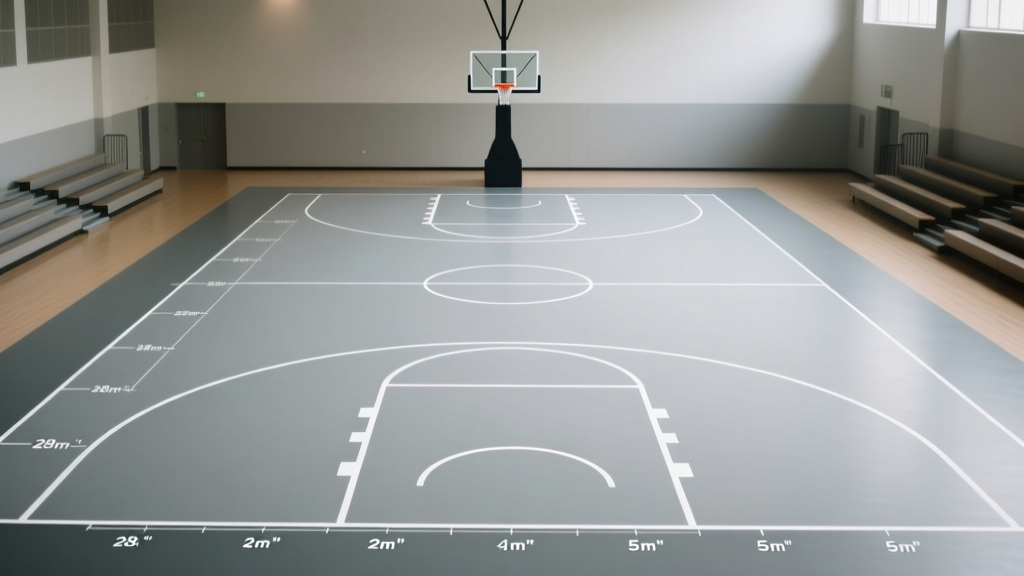 How Long Is a Basketball Court in Meters?