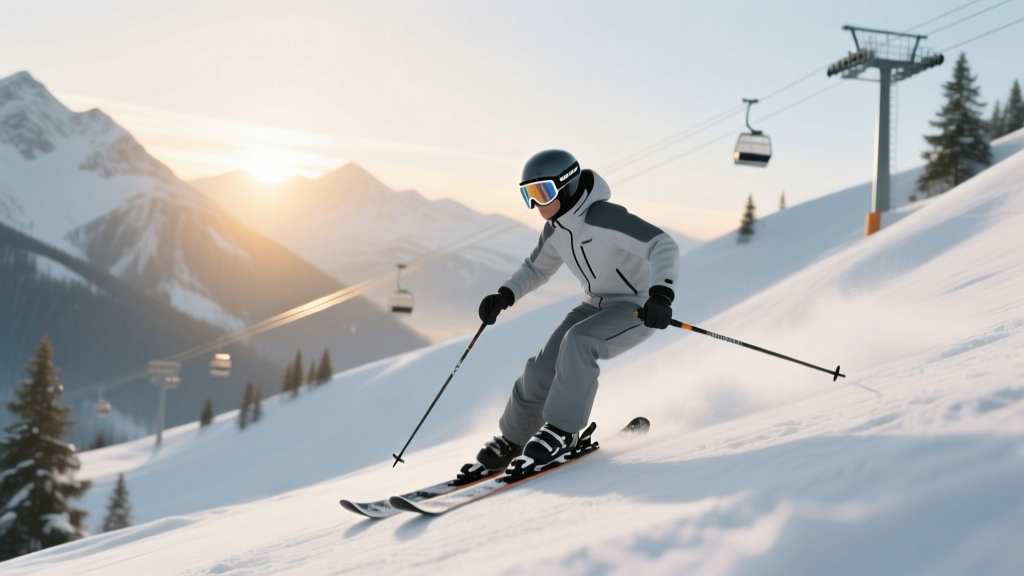
Why Is Skiing So Expensive? Cost Breakdown 2025
Skiing is expensive due to high costs related to equipment, lift tickets, travel, accommodation, and instruction. A single day on the slopes can cost $200–$500 per person, with premium resorts charging even more.
Why Skiing Costs More Than Most Winter Activities
Skiing is one of the most costly winter sports due to a combination of gear investment, resort pricing models, and logistical expenses. Unlike sports that require minimal equipment or public access, skiing demands specialized gear, mountain infrastructure, and often long-distance travel. These factors collectively push up the price barrier for entry and ongoing participation.
Major Factors That Make Skiing Expensive
- High-cost ski equipment: Skis, boots, poles, helmets, goggles, and outerwear can exceed $2,000 for new gear.
- Lift ticket prices: Daily passes at top resorts range from $150 to over $200 in the U.S., among the highest globally.
- Travel and lodging: Many prime ski destinations are remote, requiring flights, rental cars, and expensive mountain-area accommodations.
- Ski lessons: Professional instruction ranges from $80 to $200+ per hour, especially for private coaching.
- Resort operational costs: Maintaining lifts, grooming trails, snowmaking systems, and staffing contributes to higher user fees.
Breakdown of Average Ski Trip Expenses
Below is a detailed cost analysis for a typical four-day ski trip for a family of four in the U.S. Rockies, based on 2024–2025 season data.
| Expense Category | Average Cost (USD) | Notes |
|---|---|---|
| Lift Tickets (4 people x 4 days) | $1,600 | Based on $100/day average at major resorts like Vail or Aspen |
| Accommodation (4 nights) | $2,800 | Mid-range condo near slopes; peak season pricing |
| Airfare (round-trip, domestic) | $1,200 | From major U.S. city to Denver/SLC + ground transport |
| Rental Equipment (4 people) | $400 | Skis, boots, poles, helmets for 4 days |
| Ski Lessons (group, 2 adults) | $320 | 2 half-day sessions at $80 each |
| Food & Incidentals | $600 | Meals, snacks, parking, apres-ski |
| Total Estimated Cost | $6,920 | Average: $1,730 per person |
This table illustrates how quickly costs accumulate. Accommodations and lift tickets make up nearly two-thirds of total spending. Even budget-conscious travelers face steep baseline expenses due to limited lodging options and monopolistic resort pricing structures in mountain towns.
Equipment Depreciation and Maintenance
Purchasing gear outright reduces long-term rental costs but introduces maintenance, storage, and depreciation issues. High-performance skis lose value rapidly, and boots may only last 50–100 skiing days before needing replacement.
How Resort Economics Drive Up Prices
Ski resorts operate in challenging environments with high fixed costs. Snowmaking alone consumes millions of gallons of water and significant energy. For example, Park City Mountain uses over 1,000 snowguns and spends upwards of $2 million annually on snow production.
- Infrastructure upkeep: Chairlifts cost $1M–$3M each to install and require regular safety inspections.
- Seasonal labor: Resorts hire thousands of temporary workers, increasing HR and training costs.
- Real estate dynamics: Luxury developments adjacent to slopes drive up local prices and prioritize high-end clientele.
Ways to Reduce Skiing Costs
Despite its reputation, skiing doesn't have to break the bank. Strategic planning can significantly lower expenses without sacrificing quality.
- Buy used equipment: Websites like Geartrade.com offer quality skis and boots at 50%–70% off retail.
- Use multi-resort passes: Ikon Pass ($1,059) and Epic Pass ($1,029) provide access to dozens of mountains, paying for themselves after 5–7 days.
- Travel off-peak: January (excluding holidays) or late March offers lower rates and fewer crowds.
- Stay off-mountain: Lodging in nearby towns like Frisco or Kamas can cut accommodation costs by 30%–50%.
- Join ski clubs: Organizations offer group discounts, free lessons, and shared transportation.
Frequently Asked Questions About Why Skiing Is So Expensive
Why are ski lift tickets so expensive?
Lift tickets are costly due to the massive operational expenses involved in running a ski resort. This includes maintaining chairlifts, employing ski patrol, grooming runs nightly, producing artificial snow, and staffing customer service points. For example, a single high-speed quad chairlift costs over $2 million to install and requires annual maintenance budgets exceeding $100,000.
Is it cheaper to rent or buy ski equipment?
Renting is cheaper for beginners or occasional skiers (fewer than 5 days/year). However, buying becomes cost-effective after about 5–7 rental cycles. A full set of new skis, boots, and poles averages $1,200–$1,800, while rentals run $50–$80 per day. Used gear further improves long-term value.
Why do ski resorts charge more during holidays?
Resorts use dynamic pricing models similar to airlines. Peak demand periods like Christmas, Presidents' Day, and Martin Luther King Jr. Weekend see prices increase by 20%–50%. Limited availability and higher operating costs during these weeks justify premium pricing.
Are some countries more affordable for skiing?
Yes. While North American and Swiss resorts are among the most expensive, destinations like Slovakia, Poland, Bulgaria, and Japan (outside Niseko) offer significantly lower prices. For instance, a daily lift ticket in Bansko, Bulgaria, costs around $40 compared to $180 in Aspen.
Does ski insurance cover equipment and injuries?
Standard travel or health insurance often excludes skiing-related injuries. Specialized winter sports insurance covers medical emergencies, evacuation, trip cancellations, and equipment loss or theft. Policies typically cost $50–$150 for a week but can save thousands in emergency rescue costs, which average $10,000+ if helicopter evacuation is required.
More Articles
 Ironman Triathlon Distances: Full Event Breakdown
 Where Is the Olympic Surfing Being Held in 2024?
 Where to Buy a Ski Mask: Top 2025 Retailers & Picks
 What Does Ski In, Ski Out Mean? Explained
 Better Me Pilates Kit Price & Value (2025)
 Yoga for Athletes: Flexibility, Recovery, and Performance Enhancement Guide
 How Many Feet Per Mile Is Steep Hiking?
 When Was Surfing Added to the Olympics? Key Facts
 How Long Is a Pilates Class? Typical Durations Explained
 When Is the Fishing Opener in Minnesota 2026?