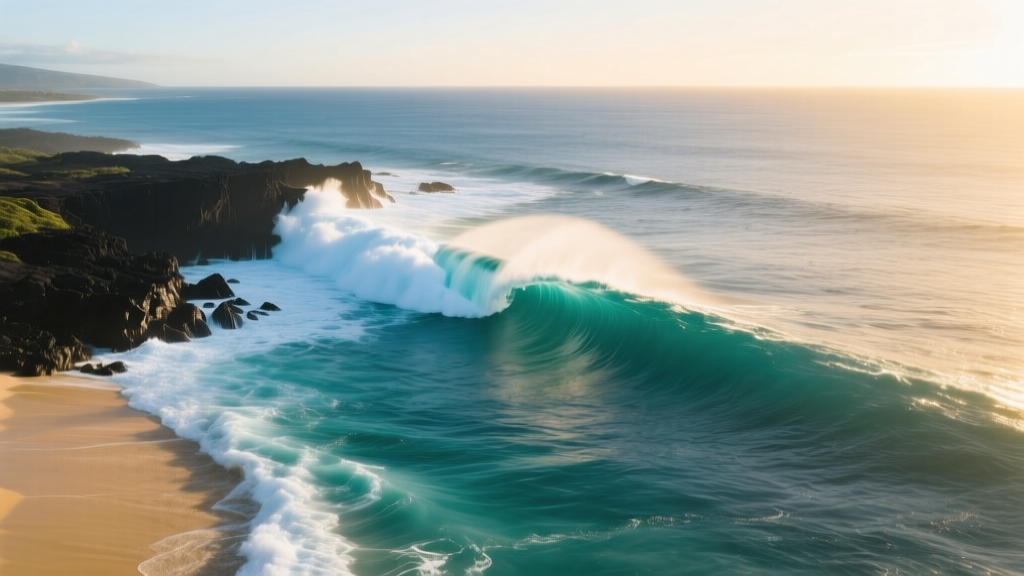
Where Is Jaws Surf Spot? Location & Facts
Jaws surf spot, also known as Peahi, is located on the north shore of Maui, Hawaii, USA. This world-renowned big wave surfing destination sits just east of Haiku and is famous for its massive, powerful waves that can exceed 60 feet (18 meters) during peak winter swells. Jaws is accessible only by jet ski tow-in surfing due to the extreme speed and size of the waves, making it one of the most challenging and iconic big wave spots on Earth.
What Is Jaws (Peahi) and Why Is It Famous?
Jaws, officially known as Peahi, is a big wave surf break that has become legendary in the global surfing community. Its fame stems from the sheer scale and intensity of its waves, which are generated by deep ocean swells refracting over an underwater lava shelf. This unique bathymetry causes waves to rise abruptly from deep water, creating fast, hollow, and often double-overhead rides.
Key Reasons for Jaws' Global Recognition
- Produces some of the largest ridable waves in the world
- Pioneered modern tow-in surfing techniques
- Hosts elite big wave competitions like the Peahi Challenge
- Attracts top professional surfers such as Kai Lenny, Greg Long, and Laird Hamilton
- Serves as a benchmark for big wave innovation and safety protocols
How Do Surfers Ride Jaws?
Due to the speed and height of the waves at Jaws, traditional paddle-in surfing is nearly impossible. Instead, surfers use jet ski tow-in methods to catch these behemoths.
Tow-In Surfing Process at Jaws
- A surfer is towed into the wave by a partner on a personal watercraft (PWC)
- The timing must be precise—too early or too late results in wipeouts or missed waves
- Once up to speed, the surfer releases the tow rope and drops into the face of the wave
- Jet skis also provide rapid rescue in case of dangerous falls
Best Time to Surf Jaws
The optimal season for Jaws is during the winter months when North Pacific swells hit the north shore of Maui.
| Month | Avg Wave Height (ft) | Avg Swell Period (sec) | Wind Conditions | Swell Direction |
|---|---|---|---|---|
| November | 20-30 | 14-17 | Light offshore | NW-N |
| December | 30-40 | 15-18 | Consistent offshore | NW |
| January | 40-60+ | 16-19 | Strong offshore | N-NW |
| February | 35-50 | 15-18 | Moderate offshore | NW |
| March | 25-35 | 14-16 | Variable | NW-W |
The data shows that January typically delivers the largest and most consistent swells with favorable wind conditions, making it the prime month for elite-level sessions at Jaws. Swell periods exceeding 16 seconds indicate long-period groundswells, which produce more powerful and organized waves ideal for big wave riding.
Notable Records and Events at Jaws
Jaws has been central to numerous milestones in big wave surfing history.
- In 2000, Laird Hamilton rode what was believed to be a 40-foot+ wave, revolutionizing perceptions of what was possible
- The first official Women's Big Wave Tour event at Jaws occurred in 2022
- Kai Lenny set a record for most waves ridden in a single day at Jaws during a 2023 swell
- The Peahi Challenge, part of the World Surf League Big Wave Tour, is held here when conditions align
Is Jaws Dangerous?
Yes, Jaws is considered one of the most dangerous surf spots in the world due to several factors:
- Wave impact can cause serious injury or drowning
- Rips and currents are extremely strong
- Reef bottom poses collision risks
- Remote location delays emergency response
- Only experienced big wave surfers with safety teams should attempt it
Frequently Asked Questions About Jaws Surf Spot
Where exactly is Jaws surf spot located?
Jaws (Peahi) is located on the northeastern coast of Maui, Hawaii, approximately 6 miles east of the town of Haiku. The GPS coordinates are roughly 20.9364° N, 156.1238° W, along Maui’s remote north shore.
Why is it called Jaws?
The name "Jaws" was coined in the 1970s by local surfers who likened the way the wave crashes down to the snapping jaws of a shark. The name stuck and became widely used internationally, though the official Hawaiian name is Peahi.
Can you paddle into Jaws?
Almost never. Due to the speed and size of the waves, paddling into Jaws is virtually impossible. All successful rides are done via jet ski tow-in, a method pioneered specifically at this break in the 1990s.
Who owns the land near Jaws?
The land surrounding Jaws is privately owned, primarily by the Ulupono Ranch. Access to the area requires permission, and parking or viewing from private property without authorization is prohibited.
How do people watch Jaws surf sessions?
Surf fans can view Jaws from designated public lookout points along the Piilani Highway. Additionally, live streams are often broadcast during major swells or WSL events through platforms like Surfline and the World Surf League website.
More Articles
 Tennis Doubles Strategy: Positioning, Communication, and Shot Selection
 How Much Is Club Pilates Per Month? (2025 Rates)
 Who Invented the Skateboard? The True Origin Story
 5K Training Program: Start Running Today!
 What Size Cross Country Skis Do I Need?
 How Many Calories Does 30 Mins Cycling Burn?
 How Old to Go Skydiving? Age Limits by Country
 How Many Deaths from Skydiving Per Year? (2025 Data)
 Skydiving Deaths Per Year: Real Risk & Statistics (2025)
 Where to Buy Snowboards: Best Retailers 2025