Sports Nutrition for Athletes: A Beginner Guide to Fueling Performance and Recovery
Why Nutrition Matters for Athletes
No amount of training can overcome a poor diet. Nutrition provides fuel for exercise, building blocks for muscle repair, and micronutrients for every metabolic process.
The Three Macronutrients
Carbohydrates: Your Primary Fuel
Carbohydrates are the body preferred energy source during exercise, stored as glycogen in muscles and liver.
- Recommendation: 5-7g per kg body weight per day for moderate training
- Endurance athletes: 7-12g/kg/day during heavy training
- Best sources: whole grains, fruits, vegetables, legumes, rice, pasta
Protein: Muscle Repair and Growth
- Recommendation: 1.4-2.0g per kg body weight per day
- Distribute across 4-5 meals (25-40g per meal)
- Best sources: lean meats, fish, eggs, dairy, legumes, tofu
Fats: Sustained Energy
- Recommendation: 20-35% of total daily calories
- Focus on unsaturated fats: nuts, avocados, olive oil, fatty fish
Pre-Workout Nutrition
- 3-4 hours before: Balanced meal with carbs, moderate protein, low fat
- 1-2 hours before: Lighter snack rich in easily digestible carbs
- 30 minutes before: Simple carbs only if needed
Post-Workout Recovery Nutrition
- Carbohydrates: 1.0-1.2g per kg body weight
- Protein: 20-40g of high-quality protein
- Hydration: 1.5 liters per kg of body weight lost
Hydration Strategy
- Drink 500ml of water 2 hours before exercise
- During exercise: 150-250ml every 15-20 minutes
- For sessions over 60 minutes, consider a sports drink with electrolytes
- Monitor urine color: pale yellow indicates adequate hydration
Common Sports Supplements
- Whey protein: Convenient post-workout protein source
- Creatine monohydrate: 3-5g/day improves strength and power
- Caffeine: 3-6mg/kg before exercise improves endurance
- Omega-3 fatty acids: Anti-inflammatory, supports recovery
Good sports nutrition requires consistent, informed choices. Start with these fundamentals.
More Articles
 Who Owns Winter Park Ski Resort? Current Ownership Explained
 Why Weightlifters Get Nosebleeds When Lifting
 Stop Swim Goggles From Fogging: 5 Fixes
 Best Hiking Boots: Top Stores & Online Retailers (2026)
 12 DIY Framework Ideas: Weekend Build Plans
 Basketball Stats That Actually Matter
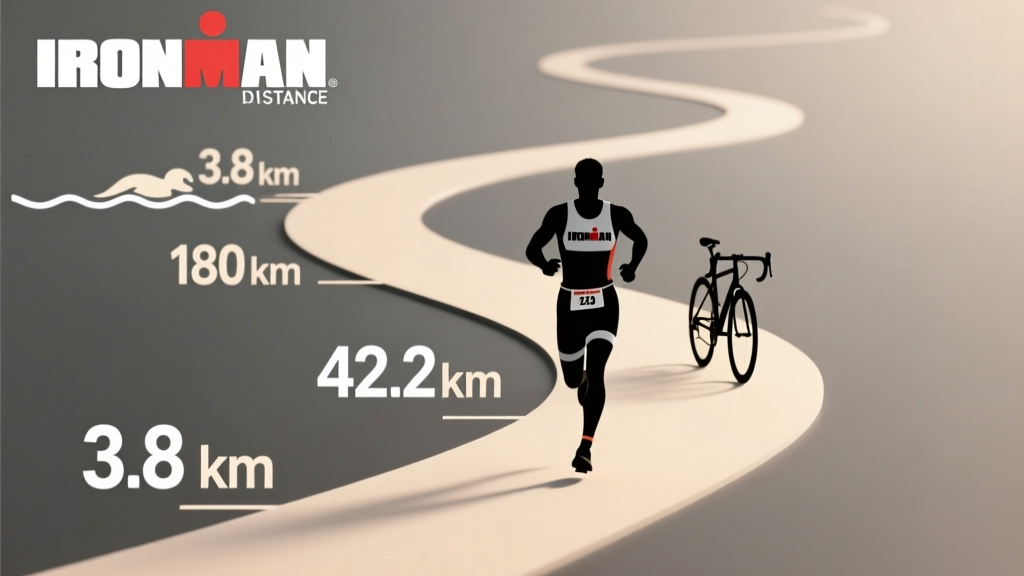 How Far Is an Ironman Triathlon? Full Distance Explained
 Sports Gear Longevity: Tips to Make It Last
 When Does Park City Ski Resort Open? 2025-2026 Dates
 Who Invented Yoga Pants? The True Origin Story