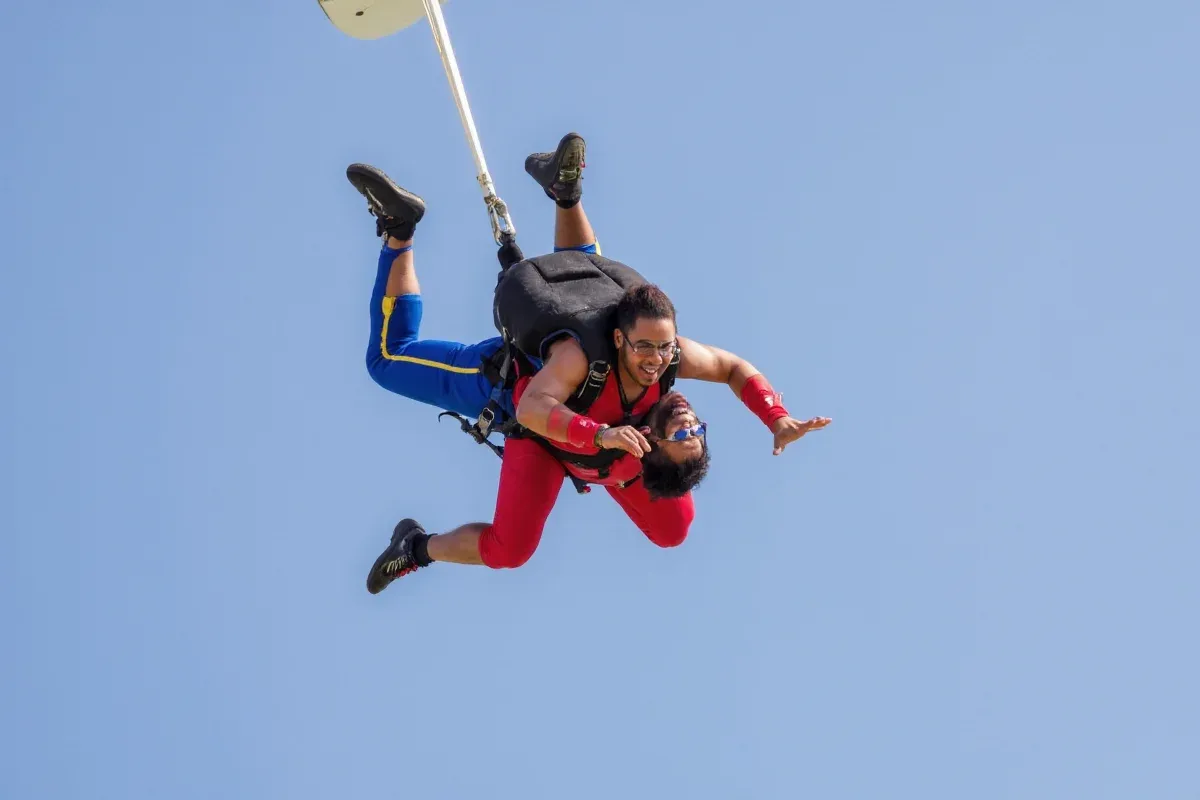
How Many People Die a Year from Skydiving? Stats & Safety
Approximately 21 people die annually from skydiving worldwide, based on data from the United States Parachute Association (USPA) and international safety reports between 2015 and 2023. This translates to a fatality rate of about 0.39 deaths per 100,000 jumps, making skydiving a relatively low-risk extreme sport when proper safety protocols are followed.
Skydiving Fatality Statistics: Global Overview
Skydiving is often perceived as one of the most dangerous recreational activities, but statistical evidence shows that it has become increasingly safe over the past two decades. The majority of fatalities occur due to human error, equipment misuse, or adverse weather conditions rather than mechanical failure.
Key Factors Influencing Skydiving Risks
- Lack of experience among novice jumpers
- Incorrect parachute deployment techniques
- Mid-air collisions during group jumps
- Poor judgment in canopy control near landing zones
- Medical emergencies at high altitude
Annual Skydiving Fatalities by Region
| Year | Global Jumps (Est.) | Total Fatalities | US Fatalities | Europe Fatalities | Australia Fatalities |
|---|---|---|---|---|---|
| 2015 | 6,200,000 | 24 | 21 | 2 | 1 |
| 2016 | 6,400,000 | 22 | 18 | 3 | 1 |
| 2017 | 6,600,000 | 20 | 16 | 3 | 1 |
| 2018 | 6,800,000 | 19 | 13 | 4 | 2 |
| 2019 | 7,000,000 | 21 | 15 | 5 | 1 |
| 2020 | 3,100,000 | 11 | 8 | 2 | 1 |
| 2021 | 3,800,000 | 14 | 10 | 3 | 1 |
| 2022 | 6,900,000 | 22 | 17 | 4 | 1 |
| 2023 | 7,200,000 | 21 | 19 | 2 | 0 |
The data shows a stable average of around 21 annual skydiving fatalities globally despite increasing participation rates post-2020. The United States accounts for the majority of incidents due to higher jump volume, but the fatality rate per 100,000 jumps remains below 0.4. Safety improvements in gear technology and training have helped stabilize mortality rates even as activity levels rise.
Trends in Skydiving Safety Over Time
Over the last decade, advancements in parachute design, automatic activation devices (AADs), and standardized training programs have significantly reduced preventable accidents. The widespread adoption of AADs—which deploy the reserve parachute if a jumper fails to do so—has been particularly effective in reducing fatalities among less experienced skydivers.
How Technology Improves Skydiving Survival Rates
- Automatic Activation Devices (AADs) reduce risk by up to 75% for novice jumpers
- Digital altimeters provide real-time altitude alerts
- Improved canopy designs enhance stability and landing precision
- Rigorous pre-jump checklists minimize equipment errors
Comparative Risk: Skydiving vs Other Activities
In terms of annual death rates per 100,000 participants, skydiving is safer than many common recreational and transportation activities:
- Skydiving: 0.39 deaths per 100,000 jumps
- Motorcycling: 67.7 deaths per 100,000 registered vehicles (annual)
- Swimming: 2.6 deaths per 100,000 participants
- Driving (US): 12.2 deaths per 100,000 population annually
This context highlights that while skydiving carries inherent risks, its fatality rate is remarkably low given the nature of the activity.
Frequently Asked Questions About Skydiving Fatalities
How many people die from skydiving each year?
On average, approximately 21 people die worldwide each year from skydiving-related incidents, based on data from 2015 to 2023. The annual number fluctuates slightly but remains consistent despite growing participation.
What is the chance of dying while skydiving?
The probability of dying during a skydive is about 0.39 per 100,000 jumps, according to USPA statistics. This means you would need to make over 250,000 jumps to statistically expect one fatality, highlighting the sport's relative safety with proper training and equipment.
Is skydiving getting safer over time?
Yes, skydiving has become significantly safer since the early 2000s due to improved safety gear, mandatory training standards, and the widespread use of Automatic Activation Devices (AADs). Despite more jumps being performed annually, total fatalities have remained stable or declined.
What causes most skydiving deaths?
Most skydiving fatalities result from human error—not equipment failure. Common causes include incorrect body positioning, late parachute deployment, poor landing decisions, and mid-air collisions. Advanced training and adherence to safety protocols greatly reduce these risks.
Are tandem skydives safer than solo jumps?
Yes, tandem skydives are generally safer because they involve a trained instructor who controls the entire jump, including deployment and landing. Tandem fatalities are extremely rare, with only one reported death per 500,000 tandem jumps in the past decade.
More Articles
 How Often Should You Do Yoga for Best Results?
 Basketball Crossover Drills: 5 Moves to Break Down Any Defender
 Where Was Skiing Invented? Origins & History
 Who Developed CrossFit? The Full Story
 When Is Ski Season? Dates by Region & Resort
 Who Owns Deer Valley Ski Resort? (2025 Update)
 How Long Is NFL Training Camp? Duration & Schedule Explained
 What Size Yoga Ball Do I Need? Find Your Perfect Fit
 Tennis String Tension: Power vs Control
 Who Plays at Camping World Stadium in Orlando?