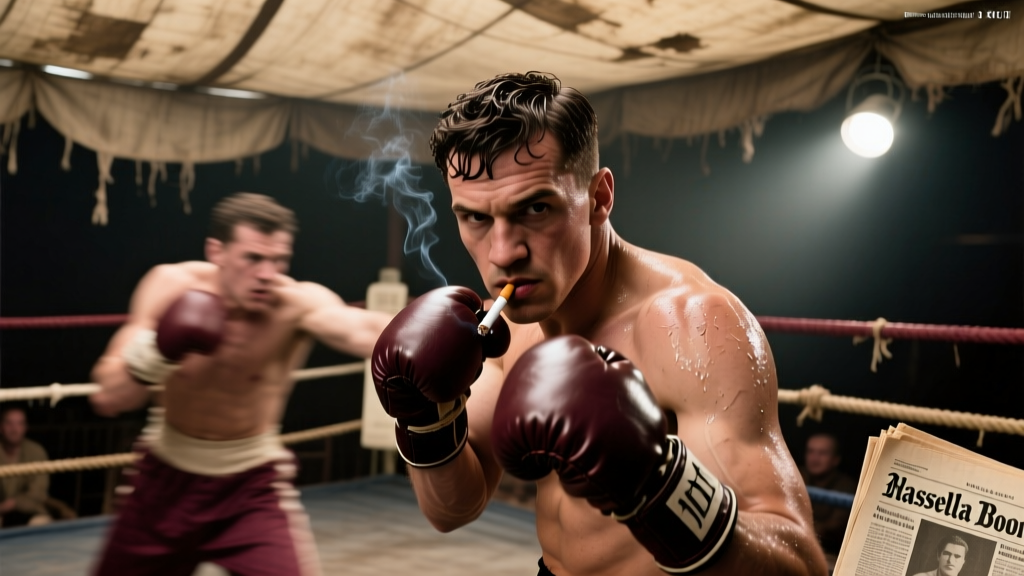
Why Was Boxing So Popular in the 1920s?
Boxing was immensely popular in the 1920s due to a combination of cultural, technological, and social factors, including widespread media coverage, national pride tied to champions like Jack Dempsey, the rise of mass entertainment, and post-World War I societal shifts that made boxing a symbol of strength and resilience.
The Cultural Significance of Boxing in the 1920s
The 1920s, often called the 'Roaring Twenties,' were marked by rapid social change, economic growth, and a hunger for new forms of entertainment. Boxing emerged as a dominant sport because it resonated with the era's fascination with heroism, masculinity, and individual triumph.
National Identity and Hero Worship
- Americans sought larger-than-life figures after World War I, and boxers like Jack Dempsey became national icons.
- Dempsey’s aggressive fighting style and working-class background made him relatable and celebrated.
- Victories in the ring were seen as symbolic of American strength and perseverance.
Media and Publicity Revolution
The expansion of newspapers, radio broadcasts, and newsreels amplified boxing’s reach far beyond live audiences.
- Major fights were front-page news across the U.S. and internationally.
- Radio brought blow-by-blow accounts into homes, making fans feel connected to the action.
- Newsreels shown in movie theaters replayed key moments, increasing public engagement.
Economic and Social Factors Driving Popularity
Boxing thrived in the 1920s not just because of star athletes, but because it intersected with broader economic and social trends.
Accessibility and Urban Appeal
- Fights were held in major cities, drawing diverse crowds from various economic backgrounds.
- Tickets were relatively affordable, making boxing one of the few spectator sports accessible to working-class Americans.
- The sport’s raw, unfiltered nature appealed to urban populations seeking excitement.
Big Money and High Stakes
The financial stakes in boxing rose dramatically during this decade, attracting both fighters and investors.
- Jack Dempsey’s 1921 fight against Georges Carpentier generated over $2 million in gate receipts—unprecedented at the time.
- Sponsorships and endorsements began to emerge, laying early foundations for modern sports marketing.
- Promoters like Tex Rickard mastered event spectacle, turning fights into must-see occasions.
| Fight | Date | Location | Gate Receipts (USD) | Attendance |
|---|---|---|---|---|
| Jack Dempsey vs. Georges Carpentier | July 2, 1921 | Boyle's Thirty Acres, NJ | $1,789,238 | 90,000 |
| Jack Dempsey vs. Luis Firpo | September 14, 1923 | Yankee Stadium, NY | $1,876,588 | 88,000 |
| Jack Dempsey vs. Gene Tunney (First Fight) | September 23, 1926 | Soldier Field, Chicago | $2,658,660 | 120,557 |
| Jack Dempsey vs. Gene Tunney (The Long Count) | September 22, 1927 | Circle City Park, Chicago | $2,906,633 | 104,943 |
The table shows how boxing events in the 1920s consistently broke financial and attendance records. The 1927 Dempsey-Tunney rematch drew over $2.9 million in gate receipts—equivalent to over $50 million today—highlighting the sport’s commercial power. These figures reflect not only fan enthusiasm but also the professionalization of fight promotion during the decade.
Technological Advancements and Mass Media
The convergence of new technologies played a crucial role in elevating boxing’s popularity.
The Rise of Radio Broadcasting
- The first national radio broadcast of a boxing match occurred in 1921 (Dempsey-Carpentier), reaching millions.
- Play-by-play commentary created immersive experiences for listeners.
- Radio networks used boxing to attract audiences and build brand loyalty.
Newspapers and the Birth of Sports Journalism
Sports writers like Damon Runyon and Ring Lardner elevated boxing coverage with vivid storytelling.
- Headlines dramatized fights, building anticipation and mythologizing fighters.
- Daily updates on training camps, weigh-ins, and controversies kept the public engaged.
- The term 'Golden Age of Sports' originated partly due to boxing’s media prominence.
Legacy of 1920s Boxing
The popularity of boxing in the 1920s laid the foundation for modern professional sports culture.
- It established the blueprint for athlete branding, media rights, and large-scale event promotion.
- Figures like Jack Dempsey became prototypes for future sports celebrities.
- The decade helped transition boxing from a fringe activity to a mainstream, globally followed sport.
Frequently Asked Questions About Why Boxing Was So Popular in the 1920s
Why was Jack Dempsey so important to boxing’s popularity in the 1920s?
Jack Dempsey was the face of boxing in the 1920s. His aggressive fighting style, dramatic knockouts, and charismatic persona attracted massive audiences. He headlined record-breaking events and became a cultural icon, helping elevate boxing to national prominence.
How did radio influence boxing’s popularity in the 1920s?
Radio allowed millions of people to follow fights live from their homes, vastly expanding the audience. The 1921 Dempsey-Carpentier fight was the first major broadcast, marking a turning point in sports media and significantly boosting boxing’s reach.
Were there international boxers who contributed to the sport’s popularity?
Yes, fighters like Georges Carpentier of France brought international appeal. His 1921 bout with Dempsey was promoted as 'American vs. European' strength, adding patriotic intrigue and drawing global attention to the sport.
What role did newspapers play in promoting boxing?
Newspapers provided extensive coverage, sensational headlines, and in-depth profiles that built public interest. Legendary sportswriters helped craft the narratives that turned boxers into heroes and fights into epic events.
Did the popularity of boxing in the 1920s lead to long-term changes in sports?
Absolutely. The 1920s established boxing as a major commercial enterprise, influencing how other sports approached promotion, media rights, and athlete fame. It set precedents for modern pay-per-view models and celebrity athlete culture.
More Articles
 Where Did Baseball Start? Origins and History Explained
 What Number Is Jude Bellingham? Real Madrid Jersey Revealed
 What's Inside the Olympic Medalist Gift Box?
 How Much Do Minor League Baseball Players Make in 2025?
 When and Where Was Bowling Invented? Origins Revealed
 Tennis Shoes Made in the USA: Brands & Facts
 Who Won the 2011 Super Bowl? Packers Beat Steelers 31-25
 Where to Buy Boxing Shoes: Best Retailers & Deals
 When Does Baseball Begin? 2025 Season Start Dates
 How Many BJJ Red Belts Are There? Truth Revealed