
Why Is It Called Boxing? Origins and History
Boxing is called boxing because it derives from the act of ‘boxing’ with one's fists, a term rooted in Old English ‘bōcian’ meaning to strike. The sport’s name reflects its core mechanic: fighters use hand strikes within a defined space, historically a square ring, leading to the full term ‘prizefighting’ or simply ‘boxing’.
The Origin of the Term "Boxing"
The word "boxing" comes from the Old English verb "bōcian," which means "to beat" or "to strike." Over time, this evolved into a noun describing the sport where two individuals fight using only their hands, protected by gloves. The physical act of striking with closed fists became synonymous with the word itself.
Linguistic Evolution
- Old English "bōcian" referred to hitting or striking.
- Middle English adopted "boxen," used colloquially for fighting with hands.
- By the 18th century, "boxing" was formally recognized as a sport in England.
Historical Development of Boxing
While modern boxing is regulated and global, its roots trace back thousands of years. Ancient civilizations practiced fist-fighting, but the codified rules and naming conventions emerged in Europe.
Key Historical Milestones
- Ancient Greece featured 'pygmachia,' a brutal form of fist combat in the Olympic Games.
- Roman gladiators used leather-wrapped fists known as 'caestus.'
- 1743: Jack Broughton introduced the first formal rules, laying groundwork for modern boxing.
- 1867: Marquess of Queensberry Rules established three-minute rounds, gloves, and ten-second knockdown counts.
Why the Ring Is Square (And Why It Matters)
Despite being called a "ring," the fighting area is square-shaped. This apparent contradiction stems from early matches held in circular roped enclosures. As formal rules developed, the shape transitioned to a square for better visibility and movement control.
- The term "ring" persisted due to tradition.
- Modern rings range from 16 to 20 feet per side.
- The design ensures equal reach and strategic footwork for both fighters.
Global Terminology and Cultural Impact
While "boxing" is the dominant term in English, other languages reflect similar concepts:
- French: "boxe"
- Spanish: "boxeo"
- German: "Boxen"
- Japanese: "ボクシング" (Bokushingu)
This linguistic consistency highlights the sport's universal recognition and standardized rules across nations.
Boxing Equipment and Its Role in Naming
The use of gloves is central to modern boxing and reinforces the idea of "boxing" as a structured contest rather than bare-knuckle brawling.
Evolution of Gloves
- Bare-knuckle era (pre-1867): No gloves; high injury rates.
- Queensberry Rules mandated padded gloves.
- Modern gloves vary by weight class: 8 oz for lighter divisions, up to 10 oz for heavyweights.
| Era | Hand Protection | Round Duration | Knockdown Rule | Notable Figure |
|---|---|---|---|---|
| Ancient Greece | Bare fists or leather straps | Continuous until submission | No formal count | Pyrros of Epirus |
| Roman Empire | Caestus (metal-reinforced leather) | Unlimited rounds | Fight ended by knockout or death | Commodus (Emperor) |
| 18th Century England | Bare-knuckle | No timed rounds | 30-second rest after knockdown | Jack Broughton |
| 19th Century (Queensberry) | Padded gloves | 3 minutes + 1 min rest | 10-second count | John Douglas |
| Modern Professional | 10 oz gloves (heavyweight) | 12 rounds × 3 min | 10-second count, referee discretion | Floyd Mayweather Jr. |
The table illustrates how boxing evolved from unregulated violence to a globally standardized sport. Key changes include the introduction of gloves, timed rounds, and safety protocols. These developments helped legitimize the sport and solidify its name and structure.
Frequently Asked Questions About Why It's Called Boxing
Why is it called boxing instead of fighting?
"Boxing" specifically refers to fighting using only the fists, distinguishing it from other combat forms like wrestling or mixed martial arts. The term emphasizes technique, rules, and the use of gloves, setting it apart from general "fighting."
Did boxing always involve gloves?
No, early boxing was bare-knuckle. Gloves were introduced in the 19th century under the Marquess of Queensberry Rules to reduce injuries and standardize competition, marking a shift toward modern boxing.
Is boxing called the same thing in other countries?
Most languages use variations of "boxing," such as "boxe" in French or "Boxen" in German. While pronunciation differs, the root term remains consistent due to British influence on modern rules.
Why is the boxing ring square if it's called a ring?
The name "ring" comes from historical circular enclosures used in early fights. Even after transitioning to a square shape for practical reasons, the traditional name remained in use.
What does the term "prizefighting" mean?
"Prizefighting" was an early term for boxing, referring to matches fought for monetary rewards. It was commonly used before "boxing" became the standard term in the late 19th century.
More Articles
 Last 10 Super Bowl Halftime Performers (2016–2025)
 Will Boxing Be in the 2028 Olympics? Yes – Here's Why
 How Many Martial Arts Do MMA Fighters Know?
 A.J. Ferrari Wrestling Career and Achievements
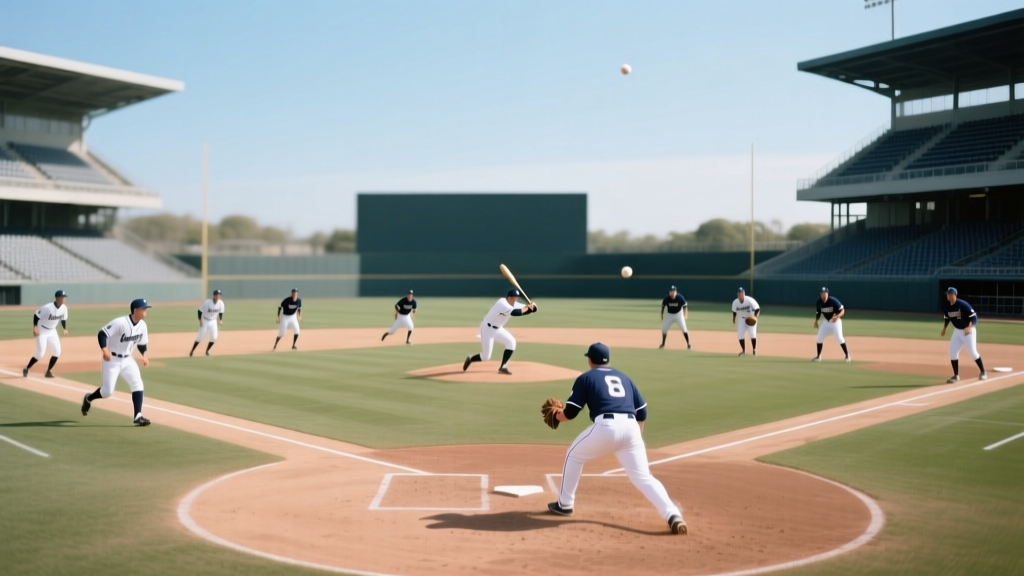 How Many Players Are on a Baseball Field? (9 Per Team)
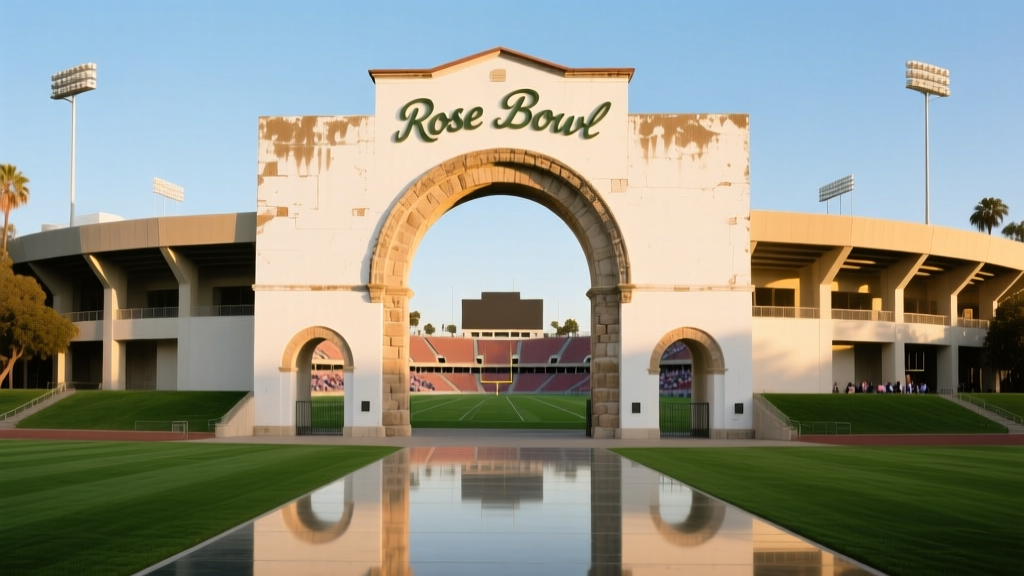 Where Is the Rose Bowl Game Played? Venue Details
 How Many Stitches on a Baseball? 108 Explained
 Did Michael Jordan Play Major League Baseball?
 Why Do Baseball Players Eat Sunflower Seeds?
 John Elway Super Bowls: How Many?