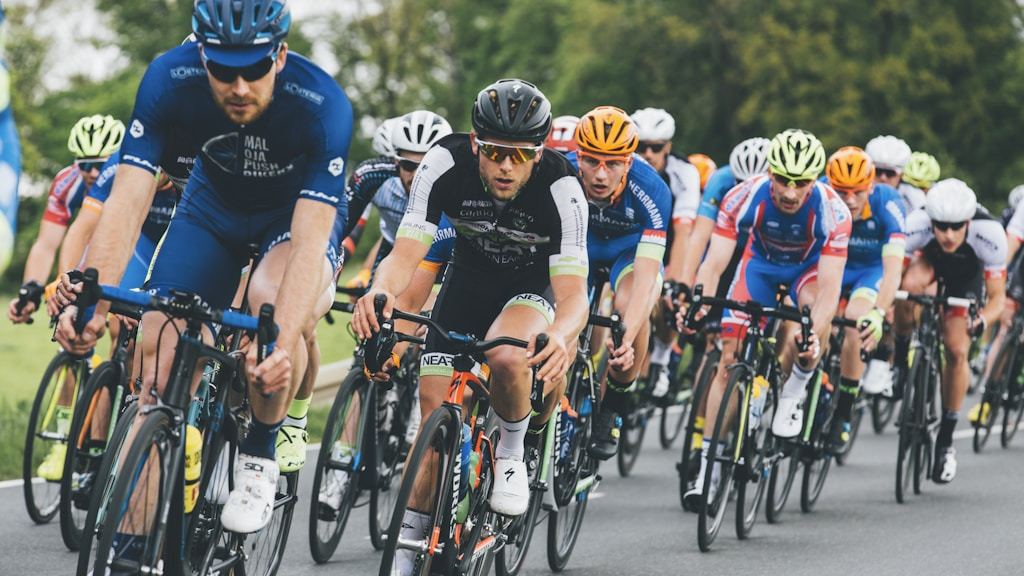
Why Is Golf So Expensive? Cost Breakdown 2025
Golf is expensive due to high costs associated with course maintenance, equipment quality, membership fees, and land value. These factors collectively drive up both entry and ongoing expenses for players.
Why Golf Carries a High Price Tag
Golf's reputation as an expensive sport stems from several interrelated factors. From lush course upkeep to premium gear and exclusive club access, the financial barriers can be significant. Below, we break down the core reasons behind golf’s cost.
Course Maintenance and Land Costs
Maintaining a golf course to professional standards requires substantial investment in labor, water, machinery, and landscaping. Courses often occupy large plots of prime real estate, further increasing operational expenses.
Key Maintenance Expenses
- Water irrigation systems and landscaping
- Lawn mowing and turf management
- Pest control and fertilizer applications
- Staff salaries (groundskeepers, greenskeepers)
- Environmental compliance and sustainability efforts
Equipment: Quality Comes at a Price
Golf clubs, bags, balls, and accessories are engineered for precision and performance. High-end materials like titanium, carbon fiber, and advanced polymers increase manufacturing costs.
Typical Equipment Costs for Beginners
- Driver: $300–$600
- Irons (set of 7–8): $700–$1,200
- Putter: $150–$400
- Golf bag: $100–$300
- Golf balls (per dozen): $30–$60
- Shoes and apparel: $100–$300
A complete beginner set can easily exceed $1,500, even before lessons or range fees.
Membership and Green Fees
Access to private clubs often requires initiation fees ranging from $10,000 to over $100,000, with monthly dues between $300 and $1,000. Public courses charge green fees averaging $50–$150 per round, higher on weekends or resort courses.
| Cost Factor | Average Cost (USD) | Frequency |
|---|---|---|
| Private Club Initiation Fee | $25,000 | One-time |
| Monthly Dues (Private Club) | $500 | Monthly |
| Public Course Green Fee | $85 | Per round |
| Beginner Equipment Set | $1,800 | One-time |
| Annual Cart Fee | $600 | Yearly |
| Professional Lessons (10 sessions) | $1,000 | Occasional |
The data shows that recurring costs like dues and green fees accumulate quickly. Even public play can cost over $2,000 annually for frequent players. Private club access multiplies these expenses significantly.
Real Estate and Location Premiums
Golf courses require 100+ acres of land, often in desirable suburban or resort areas where property values are high. Land acquisition and zoning regulations add to development and maintenance costs, which are passed on to members and players.
Exclusivity and Prestige Factor
Many elite clubs operate as social institutions, emphasizing exclusivity. This prestige drives demand and justifies premium pricing, especially in urban or tourist-heavy regions.
Frequently Asked Questions About Golf Costs
Why are golf memberships so expensive?
Private golf memberships include high initiation fees and monthly dues because they cover course maintenance, staff wages, amenities like clubhouses and dining, and limited membership caps to maintain exclusivity. Clubs in affluent areas or with championship designs command even higher prices.
Can you play golf affordably?
Yes. Public courses, municipal golf facilities, used equipment, and off-peak rates make golf accessible. A budget-conscious player can spend under $500 annually by playing occasionally, using secondhand clubs, and avoiding private clubs.
How much does it cost to play 18 holes?
On average, public green fees range from $40 to $120 per round in the U.S., depending on location and season. Resort or championship courses may charge $200+. Add cart rental ($20–$40) and range balls ($5–$15) for full round costs.
Is golf more expensive than other sports?
Yes, initial and ongoing costs for golf typically exceed those of team sports like soccer or basketball. However, it compares more closely to tennis or skiing when factoring in equipment, facility access, and instruction.
What are the cheapest ways to start playing golf?
Beginners can reduce costs by renting clubs, playing at municipal courses, using discounted tee times via apps, taking group lessons, and joining beginner programs offered by the PGA or local facilities. Many driving ranges also offer free introductory clinics.
More Articles
 De Minaur Tennis: Career, Stats & 2025 Highlights
 When Is the Super Bowl in 2025? Date, Time & Location
 Where to Buy Disc Golf Equipment in 2025
 How Much Does a Round of Golf Cost? (2025 Data)
 Where Was the Sugar Bowl Played? Full Venue History
 How Much Do MMA Fighters Make Per Fight? (2025 Data)
 How Does TGL Golf Work? Real Tech Behind the League
 How Many Rounds in Olympic Boxing Match?
 A Rus Tennis: Top Players & 2025 Insights
 How Old Is Golfer Fred Couples in 2025?