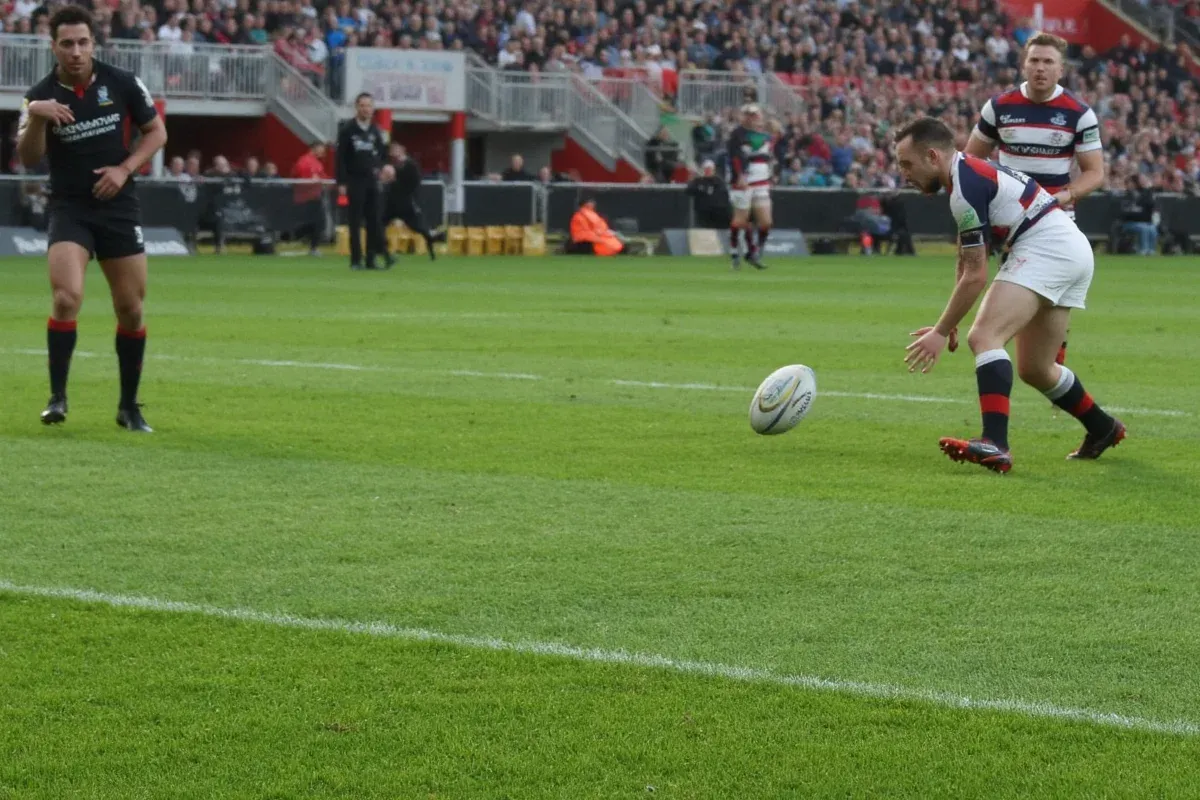
How Long Is a Rugby Game? Full Breakdown by Format
A rugby game typically lasts 80 minutes, divided into two 40-minute halves, with a 10- to 15-minute halftime break. The actual duration including stoppages, injuries, and extra time can extend the match to around 100–120 minutes.
Understanding Rugby Game Duration
Rugby is a fast-paced, physically demanding sport played globally at amateur and professional levels. The standard length of a rugby union match is 80 minutes, split into two equal halves of 40 minutes each. However, the total time from kickoff to final whistle often exceeds this due to stoppages, substitutions, injuries, and referee decisions. In knockout competitions or tied games, additional time or extra periods may be added, further extending the event's duration.
Key Factors Influencing Match Length
- Injury time: Stoppages for player injuries can add several minutes.
- Substitutions: Each substitution requires time for players to enter and exit.
- Video Referee Reviews (TMO): Technology checks slow down play.
- Weather conditions: Heavy rain or poor visibility may lead to delays.
- Half-time break: Usually 10–15 minutes, but can vary in special events.
Rugby Union vs. Rugby Sevens: Time Differences
While traditional rugby union matches follow the 80-minute format, Rugby Sevens—a faster variant—features significantly shorter games. These are commonly seen in tournaments like the HSBC World Rugby Sevens Series and the Olympics.
Structure of Rugby Sevens Matches
- Pool stage matches: Two halves of 7 minutes each (14 minutes total).
- Knockout stage matches: Two halves of 10 minutes each (20 minutes total).
- Finals: May include extra time if tied after regulation.
| Variation | Regular Time | Half Duration | Halftime Break | Extra Time (if needed) |
|---|---|---|---|---|
| Rugby Union (Standard) | 80 minutes | 40 minutes | 10–15 minutes | 2 x 10 minutes (up to 2 periods) |
| Rugby Sevens (Pool Stage) | 14 minutes | 7 minutes | 2 minutes | Not common |
| Rugby Sevens (Finals) | 20 minutes | 10 minutes | 2 minutes | Sudden death period (5 minutes) |
| Women’s Rugby Union | 80 minutes | 40 minutes | 10–15 minutes | Same as men’s rules |
The table highlights key differences in match durations across formats. Traditional rugby union maintains consistent timing across genders and levels, while Rugby Sevens prioritizes speed and tournament efficiency with much shorter halves. The abbreviated halftime breaks in Sevens reflect the need for rapid turnaround between matches during multi-game days.
Overtime and Extra Time Rules
In knockout stages of major tournaments such as the Rugby World Cup, if scores are level after 80 minutes, extra time is used to determine a winner.
Extra Time Format in Rugby Union
- First extra period: 10 minutes (two halves of 5 minutes).
- Second extra period: Another 10 minutes if still tied.
- Sudden death: If scores remain level, the next team to score wins.
- Penalty shootout: Rarely used, only if no points scored during extra time.
Common Questions About Rugby Game Length
How long is a professional rugby match?
A professional rugby union match lasts 80 minutes, divided into two 40-minute halves, with a 10- to 15-minute halftime break. Including stoppages and potential extra time, the total event duration is typically 100–120 minutes.
Why does a rugby game take longer than 80 minutes?
Although the playing time is 80 minutes, the clock stops for injuries, substitutions, TMO reviews, and other delays. Referees add 'stoppage time' at the end of each half, which can extend real-time duration significantly.
How long is a rugby sevens match?
Rugby sevens matches last 14 minutes in pool play (two 7-minute halves) and 20 minutes in finals (two 10-minute halves), with a 2-minute halftime break. This fast format allows multiple games per day in tournaments.
Is women’s rugby played for the same length as men’s?
Yes, women’s rugby union matches are also 80 minutes long, following the same regulations as men’s games regarding halves, halftime, and extra time.
What happens if a rugby match ends in a draw?
In league competitions, draws are allowed. In knockout tournaments, extra time is played. If the tie persists, sudden death or penalty shootouts may decide the winner, depending on the competition rules.
More Articles
 Where Did Badminton Originate? History & Facts
 Where Are Titleist Golf Balls Made? (2025 Update)
 How Many Rounds in Olympic Boxing Match?
 NBA Shot Clock Reset Rules Explained Simply
 How Is a Bowling Ball Made? Materials & Process Explained
 How Many Golf Majors Has Tiger Woods Won? 15 Wins
 How Long Are Bowling Lanes? Exact Dimensions Revealed
 Where Was the Orange Bowl Played? Venue History Explained
 How Much Is a Spare Worth in Bowling? (10 + Next Roll)
 MMA Champ with Judo Background: Fedor Emelianenko