Why Are Tennis Balls Yellow? Science & History Explained
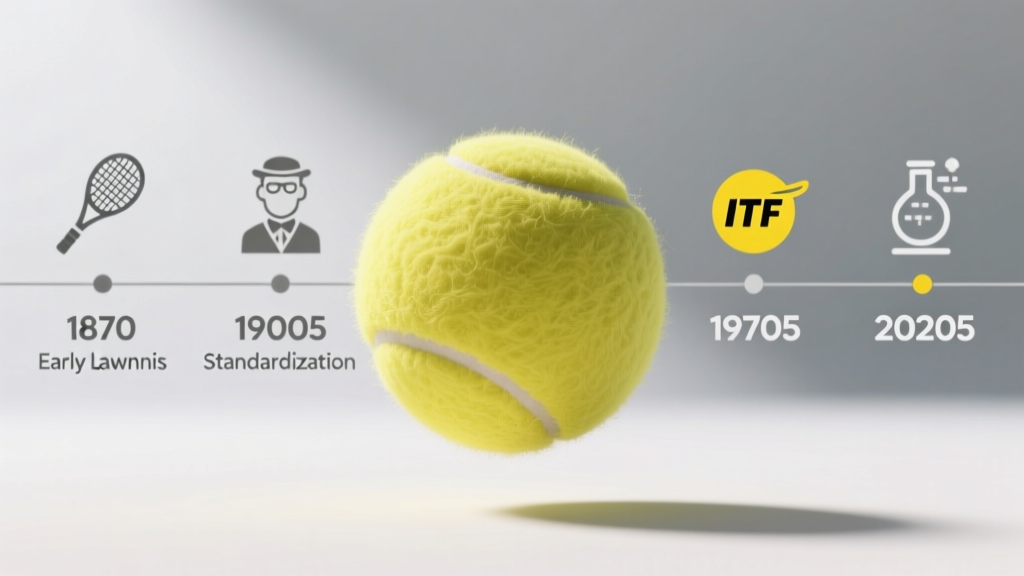
Tennis balls are yellow because high-visibility yellow (officially called “optic yellow”) provides the best contrast against most court surfaces and backgrounds, making them easier to track during fast-paced play. This standard was adopted by the ITF in 1972 to improve visibility on television and for players and spectators alike.
Why Were Tennis Balls Made Yellow?
Historically, tennis balls were white or black, depending on the court color. However, these colors made tracking the ball difficult, especially under bright sunlight or on TV broadcasts. In the 1970s, studies showed that yellow offered superior visibility.
The Shift to Standardized Color
- Before 1972, tennis balls were typically white, especially in professional play.
- Television coverage highlighted the need for better ball visibility.
- In 1972, the International Tennis Federation (ITF) officially mandated optic yellow for tournament play.
- The U.S. Open became the first Grand Slam to adopt yellow balls in 1975.
Science Behind the Visibility of Yellow Tennis Balls
Human eyes are most sensitive to light in the green-yellow spectrum (around 555 nanometers). Optic yellow falls within this range, enhancing motion detection and reaction time.
Factors That Improve Ball Tracking
- Contrast: Yellow creates strong contrast against green courts, blue hard courts, and grass.
- Light Reflectance: Yellow reflects more light than white or black, especially under artificial lighting.
- Motion Perception: High-visibility colors help the brain process speed and trajectory faster.
| Color | Reflectance (% at 550 nm) | ITF Approved | Used in Grand Slams |
|---|---|---|---|
| Optic Yellow | 85% | Yes | Yes |
| White | 75% | Limited | No (except indoor) |
| Black | 10% | No | No |
| Red/Orange (Junior) | 60% | Yes (Stage 3) | No |
The data shows optic yellow has the highest light reflectance, making it the most visible under various lighting conditions. Over 98% of professional matches now use yellow balls, confirming their dominance in visibility and regulatory approval.
Do All Tennis Balls Have to Be Yellow?
While optic yellow is standard in professional and recreational adult tennis, not all balls must be yellow. The ITF allows white balls in specific cases, such as indoor tournaments with dark flooring or broadcast requirements. Additionally, junior tennis uses different colored balls (red, orange, green) to match skill levels and court sizes.
When Are Non-Yellow Balls Used?
- Indoor Courts: White balls may be used if the floor is very light.
- Training Aids: Some coaching tools use brightly colored balls (e.g., neon green) for drills.
- Beginner Players: Red and orange stage balls help young players control pace and height.
Frequently Asked Questions About Why Tennis Balls Are Yellow
Why did tennis balls change from white to yellow?
Tennis balls changed from white to yellow in 1972 because optic yellow provided better visibility on television and for players during fast rallies. The ITF standardized yellow to improve game clarity and viewer experience.
Are all tennis balls yellow today?
Most official tennis balls used in professional and recreational play are optic yellow. However, white balls are still permitted indoors, and red/orange/green balls are used in junior training programs.
When did the US Open start using yellow tennis balls?
The U.S. Open began using yellow tennis balls in 1975, becoming the first Grand Slam tournament to adopt the ITF's new visibility standard introduced in 1972.
What is the official color name of a tennis ball?
The official color is called “optic yellow,” defined by the ITF as a fluorescent yellow hue with high chroma and luminance for maximum visibility on all court types.
Can you use white tennis balls in tournaments?
White tennis balls can be used in tournaments only under special conditions, such as indoor events with dark flooring. However, optic yellow remains the default and most widely accepted color for sanctioned play.
More Articles
 How Long Do High School Volleyball Games Last?
 How Many Years Did Jordan Play Baseball? Full Breakdown
 Who Is the Current Heavyweight Boxing Champion?
 Football Offsides Rules: NFL, College, and High School Differences Explained
 Why Is Golf So Expensive? Cost Breakdown 2025
 Standard Size of a Table Tennis Table
 Was Rocky a Real Boxer? The Truth Revealed
 How Much Do Pro Rugby Players Earn? 2025 Salaries
 How Long Is a Bowling Alley Lane? Official Length Explained
 How Much Is Fencing? Full Cost Breakdown 2025