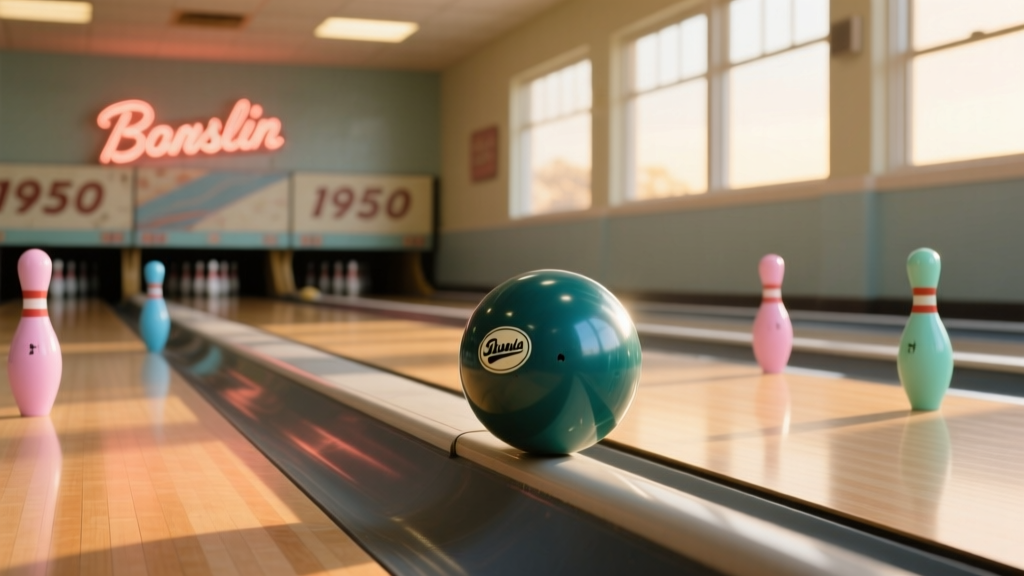
Who Made Bowling? Origins & History Explained
Bowling was not invented by a single individual but evolved over thousands of years, with ancient forms traced back to Egypt around 5000 BCE; modern ten-pin bowling was standardized in the United States in the late 19th century, primarily by the American Bowling Congress (ABC), founded in 1895.
History and Origins of Bowling
The game of bowling has roots that stretch far back into human history. While no one person can be credited with inventing bowling, archaeological discoveries suggest early versions were played in ancient civilizations.
Ancient Beginnings
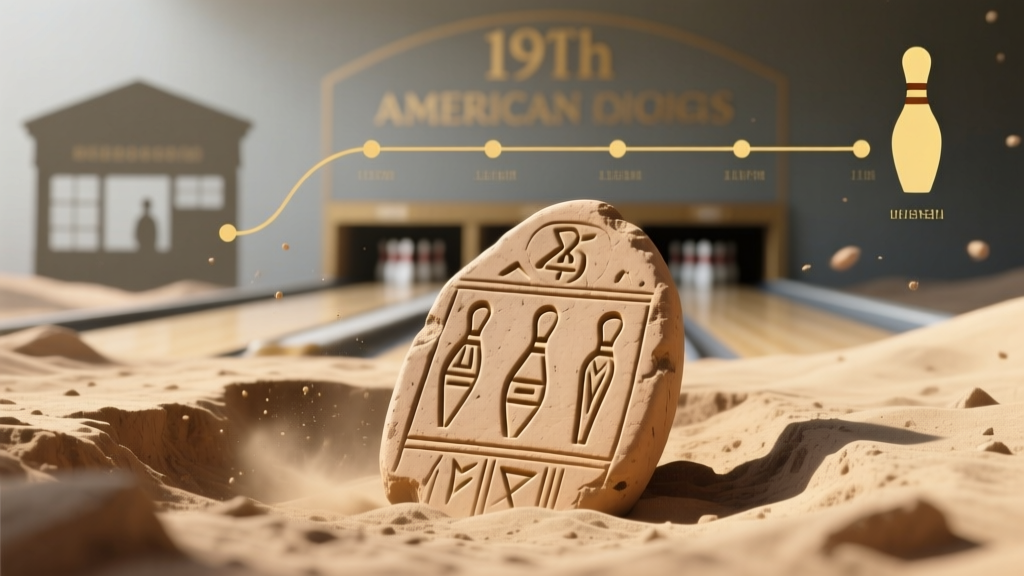
- In 1930, German archaeologist Hermann Kuhn discovered stone balls and pins in an Egyptian child's grave dating back to approximately 5000 BCE.
- This finding is widely regarded as the earliest known evidence of a bowling-like game.
- Similar games appeared in ancient Rome, where soldiers rolled stones toward objects for sport.
- During the Middle Ages, a variation called "kegel" emerged in Germany, involving rolling balls at pins as a religious ceremony symbolizing the rejection of sin.
Evolution in Europe
By the 13th century, lawn bowling (also known as lawn bowls or bocce) became popular across Europe, particularly in England and France. These outdoor games influenced later indoor variations.
- Lawn bowling was so popular it was banned by King Edward III of England in 1366 due to its interference with military archery practice.
- The transition from outdoor to indoor bowling occurred in the 14th century, allowing year-round play and greater control over conditions.
- Dutch settlers brought bowling traditions to North America in the 17th century, setting up alleys in New York (then New Amsterdam).
Rise of Modern Ten-Pin Bowling
Ten-pin bowling, the most recognized form today, developed in the United States during the 1800s. It was shaped by social trends, urbanization, and organized sports movements.
Standardization and Regulation
Prior to 1895, rules varied widely between regions and bowling alleys. This lack of consistency hindered competitive growth.
- The American Bowling Congress (ABC) was formed in 1895 by a group of men in New York to standardize rules, equipment, and lane dimensions.
- The Women’s International Bowling Congress (WIBC) followed in 1916, promoting female participation.
- The ABC introduced specifications for ball weight, pin dimensions, and lane length—many still used today.
Technological Advancements
Key innovations helped transform bowling from a casual pastime into a professional sport:
- Automated pinsetters were introduced in the 1950s by AMF and Brunswick, drastically reducing labor costs and increasing game speed.
- Synthetic lane surfaces replaced wooden ones in the 1970s–80s, improving durability and consistency.
- Reactive resin bowling balls (1990s) enhanced hook potential, changing scoring dynamics and strategy.
| Era | Region | Game Type | Key Features | Historical Significance |
|---|---|---|---|---|
| ~5000 BCE | Egypt | Primitive Bowl Game | Stone balls, 9 small stones | Earliest archaeological evidence of bowling-like activity |
| 13th Century CE | Germany | Kegel | Religious symbolism, nine pins | Root of "kegeling", precursor to modern bowling |
| 14th Century | England | Lawn Bowling | Outdoor grass courts, biased balls | Influenced royal decrees and colonial sports |
| 1895 | USA | Ten-Pin Bowling | Standardized rules by ABC | Birth of organized competitive bowling |
| 1952 | Global | International Bowling | Fédération Internationale des Quilleurs (FIQ) founded | Global governance body established |
The table illustrates how bowling evolved from rudimentary forms in ancient times to a globally regulated sport. The establishment of governing bodies like the ABC and FIQ marked pivotal transitions toward uniformity and international competition. Technological and cultural shifts consistently shaped gameplay and accessibility.
Professionalization and Global Spread
Today, bowling is a global sport governed by World Bowling (formerly FIQ), with over 120 member nations.
- Professional leagues such as the Professional Bowlers Association (PBA), founded in 1958, elevated the sport’s visibility.
- The PBA Tour features elite bowlers competing for significant prize money and sponsorships.
- Bowling has been included in the Asian Games and World Games and continues lobbying for Olympic recognition.
Frequently Asked Questions About Who Made Bowling
Who invented bowling?
No single person invented bowling. The game evolved from ancient games in Egypt and Germany, with modern ten-pin bowling standardized in the U.S. in 1895 by the American Bowling Congress.
When was bowling first played?
The earliest known version of bowling dates back to around 5000 BCE in ancient Egypt, based on archaeological findings of stone balls and pins in a child’s tomb.
How did ten-pin bowling start?
Ten-pin bowling originated in the United States in the 1800s, growing from earlier European lawn games. It was formalized in 1895 with the creation of standardized rules by the American Bowling Congress.
Why was bowling banned in England?
King Edward III banned bowling in 1366 because it distracted soldiers from practicing archery, which was critical for national defense during wartime.
Is bowling in the Olympics?
As of 2025, bowling is not an official Olympic sport, though it is recognized by the International Olympic Committee. World Bowling has been advocating for inclusion, and it remains a candidate for future Games.
More Articles
 When Does the Super Bowl Come On? Date & Time for 2026
 Wrestling Weight Classes Explained
 How Much Do Golf Pros Make? Earnings Breakdown 2025
 When Did Jake Paul Start Doing Boxing? Career Timeline
 NFL Teams with Most Super Bowl Wins: Full List & Stats
 Who Won Super Bowl 51? Patriots' Historic Comeback
 Razorback Baseball Game Today: Time & TV Channel
 How Many Super Bowl Rings Do the Cowboys Have? (2025)
 Where Did Bowling Originate? Ancient Roots Revealed
 MLB Stadiums: All 30 Ballparks (2026)