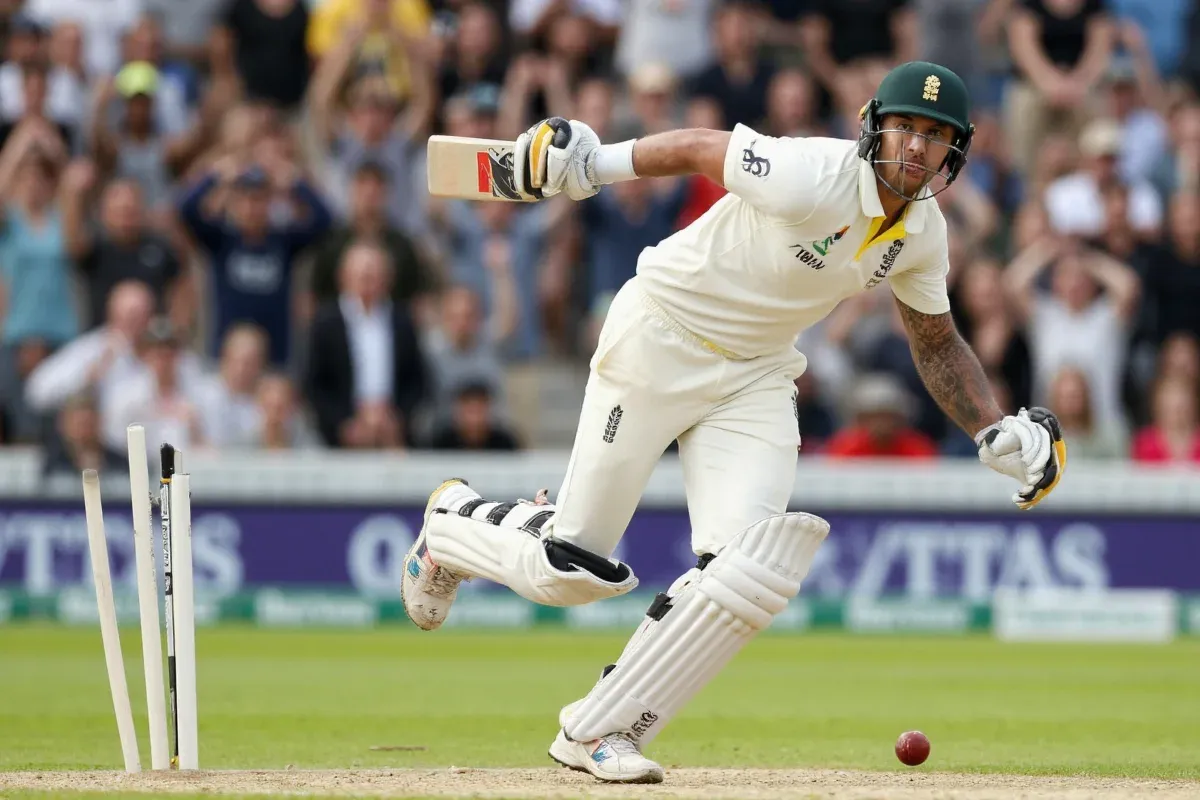
When Was Cricket Invented? Origins & History Explained
Cricket was invented in the 16th century in England, with the first recorded match taking place in the early 1500s. The game evolved from a children's pastime into an organized sport by the 17th century, and the first official rules were established in 1744.
Origins of Cricket: A Historical Overview
The origins of cricket trace back to rural England, where it began as a simple bat-and-ball game played by children. Over time, it matured into a structured sport embraced by adults and eventually spread across the British Empire.
Early Development of the Game
- First documented reference to cricket dates to 1598, mentioning boys playing the game in Guildford, Surrey.
- By the 17th century, cricket was being played by adult teams, particularly in southeastern England.
- The game gained popularity among aristocrats in the 18th century, leading to the formation of formal clubs.
- The Marylebone Cricket Club (MCC), founded in 1787, became the custodian of the Laws of Cricket.
Evolution of Cricket Rules and Formats
The standardization of cricket rules played a crucial role in its global expansion. From informal village matches to international competitions, the sport has undergone significant structural changes.
Milestones in Rule Development
| Year | Event |
|---|---|
| 1744 | First codified Laws of Cricket established by the London Cricket Club |
| 1774 | Introduction of leg before wicket (LBW) rule and wider stumps |
| 1814 | Third stump introduced; pitch length standardized to 22 yards |
| 1889 | First official Test match series between England and Australia |
| 2003 | ICC introduces standardized playing conditions for all international formats |
Global Expansion and Modern Era
Cricket’s reach extended far beyond England due to colonial influence. Countries such as Australia, India, South Africa, and the West Indies adopted the sport, forming national teams and competing internationally.
| Country | First International Match | Domestic League Established | ICC Membership Year |
|---|---|---|---|
| England | 1877 (vs Australia) | County Championship (1890) | 1909 (as founder) |
| Australia | 1877 (vs England) | Sheffield Shield (1892) | 1909 |
| West Indies | 1928 (vs England) | Regional Four Day Competition (1966) | 1926 |
| India | 1932 (vs England) | Ranji Trophy (1934) | 1926 |
| Sri Lanka | 1982 (vs England) | Major Clubs Tournament (1990) | 1981 |
| Afghanistan | 2009 (vs Scotland) | Shpageeza Cricket League (2014) | 2013 |
The data shows how cricket gradually expanded from its English roots to become a truly global sport. Early adopters like Australia and the West Indies laid the foundation for international competition, while newer members such as Afghanistan reflect the game's ongoing growth. Domestic leagues have played a key role in developing talent and increasing fan engagement worldwide.
Frequently Asked Questions About Cricket's Invention
When was cricket invented?
Cricket was invented in the 16th century in southern England, with the earliest definite reference dating to 1598 in Guildford, Surrey. It began as a children's game and evolved into a formal sport by the 17th century.
Who invented cricket?
No single person invented cricket. It developed organically in rural England, likely evolving from older bat-and-ball games played by children. Over centuries, it was formalized by players, clubs, and the Marylebone Cricket Club (MCC).
Where was cricket first played?
The first recorded cricket match took place in Guildford, England, in the early 1500s. The game originated in the counties of Kent and Sussex before spreading across England and later the British Empire.
How did cricket spread around the world?
Cricket spread through British colonization and trade. It was introduced to countries like India, Australia, South Africa, and the Caribbean during the 18th and 19th centuries, where local populations adopted and adapted the game.
What was the first official cricket match?
The first officially recognized Test match was played between England and Australia in 1877 at the Melbourne Cricket Ground. This marked the beginning of international competitive cricket under standardized rules.
More Articles
 How Many Acres for a Baseball Field? Full Breakdown
 How Long Is a Baseball Game? (2025 Average Times)
 How Many Major Tournaments Are There in Golf?
 Where Was Tennis Founded? The True Origin Explained
 Where to Buy Baseball Hats: Top Trusted Sources 2025
 How Long Does a Typical Baseball Game Last in 2025?
 Why Is Baseball Popular in Japan? Key Reasons Explained
 Badminton Court Size: Official Dimensions 2025
 When Did Cowboys Last Win Super Bowl?
 Who Plays in the Super Bowl? Teams, Rules & History