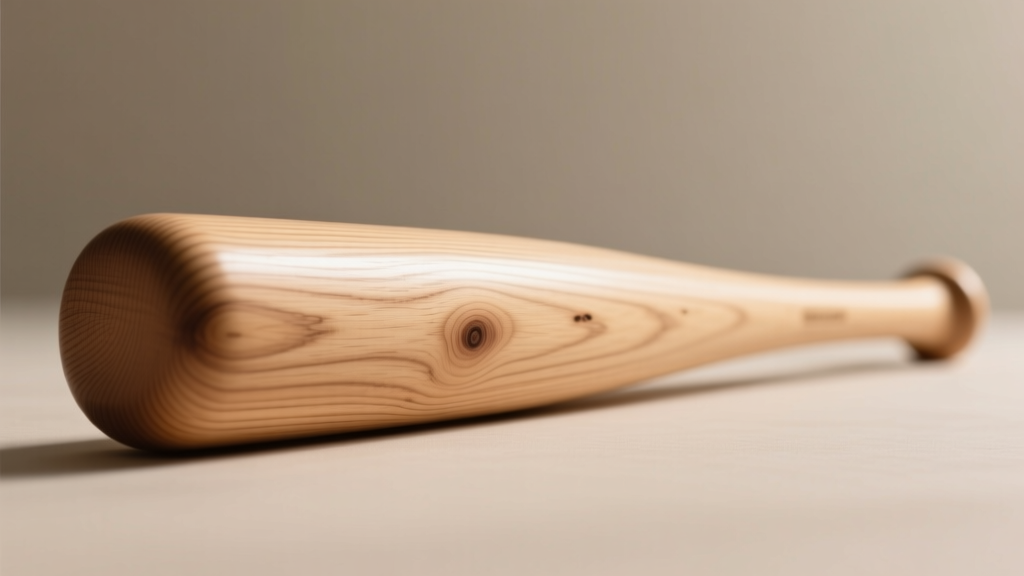
What Wood Baseball Bats Are Made Of
Wood baseball bats are primarily made from four types of hardwood: ash, maple, birch, and beech, with maple being the most popular in Major League Baseball due to its density and durability.
Types of Wood Used in Professional Baseball Bats
Professional-grade wood baseball bats are crafted from select hardwoods known for their strength, weight distribution, and performance. The most common species include:
- Ash: Known for its flex and lightweight feel, ash was the dominant wood before maple rose in popularity.
- Maple: Denser and harder than ash, maple offers a stiffer feel and increased durability, making it the top choice among MLB players.
- Birch: Combines the flexibility of ash with the hardness of maple, offering a balanced performance ideal for developing players.
- Beech: Less common but increasingly used due to its affordability and solid performance characteristics.
Why Maple Dominates MLB
Since the late 1990s, maple has become the preferred wood in Major League Baseball. Its rise began with Barry Bonds’ record-breaking 2001 season using a maple bat. The wood’s high Janka hardness rating (1450 lbf) provides superior resistance to wear and compression fractures.
Manufacturing Process of Wood Baseball Bats
Creating a high-performance wood bat involves precise craftsmanship and quality control. The process includes:
- Selecting straight-grained timber from sustainably managed forests
- Air-drying or kiln-drying lumber for several months to reduce moisture content
- Turning logs on a lathe to match professional specifications (length, weight, barrel size)
- Sanding and finishing for smoothness and grip
- Quality inspection for grain alignment and defects
Grain Integrity and Performance
The number of grains per inch is critical. Bats with 8–12 straight grains per inch are considered optimal. Fewer grains indicate faster growth and weaker structure, while too many grains may suggest overly dense, brittle wood.
| Wood Type | Janka Hardness (lbf) | Density (g/cm³) | Weight (avg oz, 34-in) | MLB Usage (%) |
|---|---|---|---|---|
| Maple | 1450 | 0.75 | 32.5 | 75 |
| Ash | 1320 | 0.65 | 30.0 | 15 |
| Birch | 1260 | 0.63 | 30.8 | 8 |
| Beech | 1300 | 0.70 | 31.5 | 2 |
The data shows maple's dominance in both hardness and professional usage. Despite birch being slightly less dense, its balanced properties make it a growing favorite among youth and collegiate players seeking durability and flex.
Care and Maintenance Tips for Wood Bats
Proper maintenance extends the life of any wood bat. Key practices include:
- Rotate the bat barrel slightly after each swing to distribute wear evenly across the grain
- Store in a climate-controlled environment; avoid extreme humidity or dryness
- Inspect regularly for cracks, dents, or grain separation
- Use only for baseball—never for practice on hard surfaces or wiffle balls
Frequently Asked Questions About Wood Baseball Bat Materials
What wood are MLB bats made of?
Major League Baseball bats are primarily made of maple, accounting for about 75% of usage. Ash and birch are also approved and commonly used, while beech and other hardwoods appear occasionally.
Why did MLB switch from ash to maple bats?
The shift began in the late 1990s when players like Barry Bonds demonstrated maple’s superior durability and harder contact. Maple’s denser grain resists flaking and lasts longer under repeated impact compared to ash.
Are wood bats better than aluminum bats?
Wood bats offer a truer swing mechanics training experience and are mandatory in professional play. Aluminum bats, used in amateur leagues, provide larger sweet spots and more power but can mask swing flaws.
How long does a wood bat last in a game?
Lifespan varies by player and wood type. An MLB maple bat typically lasts 1–3 games, while ash may last slightly longer due to its flexibility. Birch offers a balance, often lasting 2–4 games under regular use.
Can you use a cracked wood bat in a game?
No, cracked wood bats are unsafe and illegal in official play. Cracks compromise structural integrity and increase the risk of shattering, which can endanger players and umpires.
More Articles
 When Was Cricket Originated? History & Key Facts
 Who Will Win Super Bowl LIX in 2025? Top Contenders & Odds
 How Much Is the Super Bowl Trophy Worth?
 Who Owns MMA? Understanding UFC and Global Promotions
 Oldest Baseball Player in MLB History | Full Breakdown
 When Did Aaron Rodgers Win the Super Bowl?
 How Much Do Golf Carts Cost in 2025? New & Used Prices
 Rose Bowl 2025 Start Time, Teams, and How to Watch
 What Does the Average Golfer Shoot? Real Stats & Insights
 Don Frye MMA Career: Legacy, Fights & Achievements