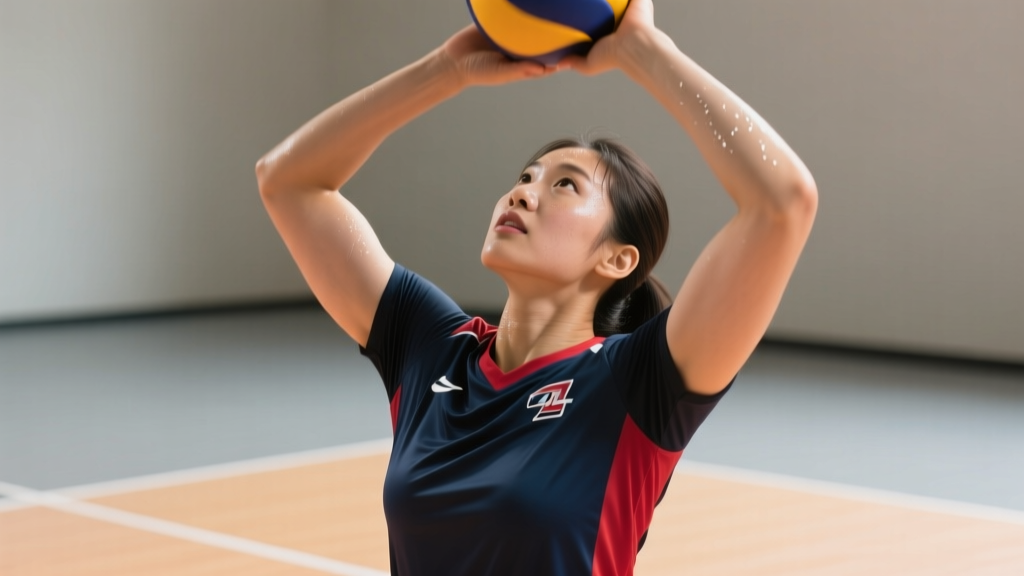
Hardest Position in Volleyball: Setter Explained
The hardest position in volleyball is widely considered to be the setter, due to the immense responsibility of orchestrating the offense, making split-second decisions, and maintaining technical precision under pressure.
Why the Setter Is the Most Challenging Position
The setter acts as the quarterback of the volleyball team, responsible for delivering accurate passes to attackers. This role demands exceptional hand-eye coordination, game intelligence, and consistency. A poor set can ruin an offensive play, placing immense psychological and physical pressure on the setter.
Key Responsibilities of a Setter
- Reading the defense and choosing optimal attack strategies
- Delivering precise sets under tight opponent pressure
- Managing tempo and varying offensive pace
- Acting as a back-row defender and transition player
- Communicating constantly with teammates
Comparison of Volleyball Positions
Each position requires unique skills, but the cognitive and technical load on the setter surpasses others. Below is a breakdown of skill demands across positions.
| Position | Technical Skill | Decision-Making | Physical Demand | Consistency Required |
|---|---|---|---|---|
| Setter | 9.5/10 | 10/10 | 7.5/10 | 10/10 |
| Libero | 8.5/10 | 6/10 | 9/10 | 9/10 |
| Outside Hitter | 8/10 | 7/10 | 9/10 | 8/10 |
| Middle Blocker | 7.5/10 | 6.5/10 | 9.5/10 | 7/10 |
| Opposite Hitter | 8/10 | 7/10 | 8.5/10 | 7.5/10 |
The data shows that setters score highest in decision-making and consistency—two critical factors under pressure. While other positions emphasize physicality, the setter's mental load and technical precision make it the most demanding role overall.
Physical and Mental Demands on Setters
Setters must maintain composure during high-stakes rallies and adapt instantly to imperfect passes. They often play over 80% of the total sets in a match, requiring endurance and focus. Mistakes by a setter are rarely masked, increasing accountability.
Mental Toughness Factors
- Handling blame after failed attacks
- Adjusting strategy mid-set based on opponent tendencies
- Leading team communication without formal captaincy
- Staying calm after receiving poor first contacts
Training Requirements for Elite Setters
Top-level setters spend significant time on:
- Finger strength and tactile sensitivity drills
- Footwork and positioning under pressure
- Game film analysis to anticipate opponent blocks
- Simulated decision-making exercises
Frequently Asked Questions About the Hardest Position in Volleyball
Why is the setter considered harder than the libero?
While the libero faces intense defensive responsibilities, the setter’s role involves constant decision-making, leadership, and technical accuracy. A libero specializes in reception and back-row defense, whereas the setter influences every offensive play, requiring broader strategic involvement.
Do setters need to be tall?
Height is less critical for setters compared to hitters or blockers. Many elite setters are shorter, relying on quick movement and timing. However, height can help in blocking and defending against second-row attacks, especially in men’s volleyball.
Can a setter also be a top scorer?
Yes, especially in international men’s volleyball, setters like Poland’s Michał Kubiak and USA’s Micah Christenson frequently attack out of the back row or run quick plays. However, their primary scoring contribution comes from assists, not kills.
Is the opposite hitter harder than the setter?
The opposite hitter faces tough blocking schemes and hits under pressure, but operates within a more defined role. The setter must manage the entire offense, making the cognitive load significantly higher despite lower physical output.
What makes setting technically difficult?
Setting requires perfect hand placement, finger control, and body alignment to deliver consistent, legal sets. Even minor errors can lead to double contacts or lifts. Setters must also disguise sets to confuse blockers, adding another layer of complexity.
More Articles
 AJ Ferrari Wrestler: Stats, Bio & Career Highlights
 How Old Is Nadal the Tennis Player in 2025?
 How Much Does a Pro Wrestler Make? (2025 Salaries)
 NFL Coach With Most Super Bowl Wins: Belichick's Record
 When Is National Volleyball Day? February 9 Explained
 Is Softball Harder Than Baseball? Expert Analysis
 Who Has the Best Boxing Record? Mayweather's 50-0 Legacy
 What Time Does Boxing Start? Event Schedules Explained
 How Much Do MMA Fighters Make? Earnings Revealed
 Where to Sell Used Golf Clubs for Cash in 2025