Biggest MLB Baseball Stadium by Capacity
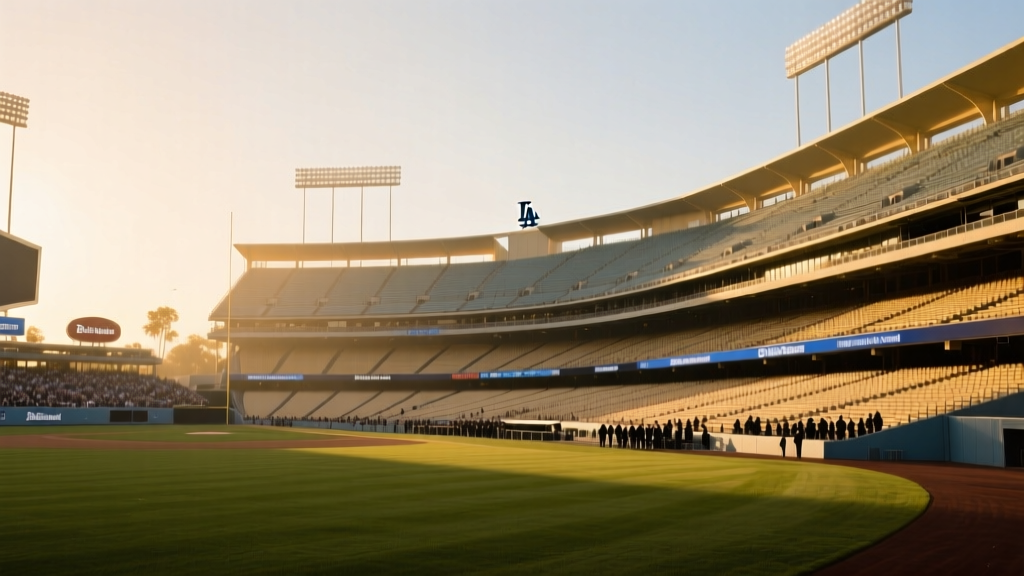
The largest MLB baseball stadium by seating capacity is Dodger Stadium in Los Angeles, home of the Los Angeles Dodgers, with a current official capacity of 56,000.
Overview of Major League Baseball Stadiums
Major League Baseball (MLB) features 30 teams across the United States and Canada, each playing in a unique ballpark. These stadiums vary significantly in size, design, age, and fan experience. While many newer ballparks emphasize intimacy and modern amenities, some of the largest venues were built during the mid-20th century to accommodate massive crowds.
Dodger Stadium, opened in 1962, remains the biggest in terms of total seating capacity. Its large outfield pavilion and tiered grandstand allow it to host over 56,000 fans on high-demand days, making it the go-to venue for record-breaking attendance games.
What Defines the “Biggest” MLB Stadium?
When discussing the “biggest” stadium, it's important to clarify whether we're referring to:
- Seating capacity (number of tickets sold)
- Physical size (acreage or square footage)
- Field dimensions (distance from home plate to outfield fences)
- Total attendance records (single-game or seasonal)
In most contexts—including media, league reporting, and fan discussions—“biggest” refers to maximum seating capacity. This metric determines how many fans can be accommodated during a game and is used to rank stadiums officially.
Why Capacity Matters
Higher capacity impacts ticket availability, revenue potential, broadcast appeal, and historic attendance records. Teams with larger stadiums often lead in seasonal attendance totals, especially in major metropolitan areas like Los Angeles and New York.
Dodger Stadium: The Largest in MLB
Dodger Stadium, located in Chavez Ravine, Los Angeles, California, holds the distinction of being the largest MLB stadium by seating capacity. Opened on April 10, 1962, it has undergone numerous renovations but retains its classic multi-tiered design that maximizes spectator count.
Key Features of Dodger Stadium
- Capacity: 56,000 (official figure; up to 56,696 reported for special events)
- Location: 1000 Vin Scully Ave, Los Angeles, CA 90012
- Opened: 1962
- Surface: Natural grass
- Attendance Record: 56,806 (set on October 17, 2017, during Game 5 of the World Series)
- Notable Design: Built into a hillside, offering scenic views of downtown LA and the San Gabriel Mountains
The stadium regularly hosts sellout crowds, particularly during playoff runs and rivalry games against the San Francisco Giants or New York Yankees.
Comparison of the Largest MLB Ballparks
While Dodger Stadium leads in capacity, several other ballparks also seat over 50,000 fans. Below is a detailed comparison of the top MLB stadiums by seating capacity.
| Rank | Stadium Name | Team | Location | Capacity | Opened | Attendance Record |
|---|---|---|---|---|---|---|
| 1 | Dodger Stadium | Los Angeles Dodgers | Los Angeles, CA | 56,000 | 1962 | 56,806 (2017) |
| 2 | Coors Field | Colorado Rockies | Denver, CO | 50,144 | 1995 | 50,872 (1997) |
| 3 | Globe Life Field | Texas Rangers | Arlington, TX | 40,300 | 2020 | 40,300 (2023) |
| 4 | Yankee Stadium | New York Yankees | Bronx, NY | 46,534 | 2009 | 50,207 (1923, original) |
| 5 | Chase Field | Arizona Diamondbacks | Phoenix, AZ | 48,405 | 1998 | 50,179 (2002) |
The data shows that Dodger Stadium surpasses the next-largest venues by nearly 6,000 seats. Coors Field ranks second, benefiting from its altitude-friendly open-air design and frequent sellouts. Modern stadiums like Globe Life Field and Chase Field feature retractable roofs suited for extreme climates but have lower capacities than Dodger Stadium.
Historic attendance records often exceed official capacities due to standing-room-only sales, reflecting strong fan demand even in non-pandemic years.
Factors Influencing Stadium Size
Several factors determine the size and capacity of an MLB stadium:
- Urban Location: Space constraints in cities like Boston or Chicago limit expansion.
- Era of Construction: Mid-century stadiums (1950s–1970s) favored large concrete structures; modern ones prioritize comfort over capacity.
- Climate: Outdoor stadiums in warm regions may optimize airflow and shade; domed or retractable-roof venues adjust layout accordingly.
- Multi-Use History: Older parks like the former RFK Stadium hosted both baseball and football, requiring larger footprints.
- Team Popularity: Markets like Los Angeles, New York, and Atlanta support higher-capacity venues due to large fan bases.
Frequently Asked Questions About the Biggest MLB Baseball Stadium
What is the biggest MLB baseball stadium by seating capacity?
Dodger Stadium in Los Angeles is the largest MLB stadium with a seating capacity of 56,000. It is home to the Los Angeles Dodgers and opened in 1962.
Which MLB stadium has the highest recorded attendance?
The highest single-game attendance was at Dodger Stadium during Game 5 of the 2017 World Series, drawing 56,806 fans. However, older stadiums like the original Yankee Stadium once drew over 80,000 for special exhibitions.
Has any MLB stadium ever seated more than 70,000?
Yes, several former MLB stadiums exceeded 70,000 seats. For example, the original Yankee Stadium had expanded seating over 80,000 in the 1930s, and Tiger Stadium in Detroit once hosted over 70,000 for boxing matches and baseball doubleheaders.
Is Dodger Stadium the oldest large-capacity stadium in MLB?
Dodger Stadium is one of the oldest large-capacity stadiums still in use. Opened in 1962, it is the third-oldest active MLB park after Fenway Park (1912) and Wrigley Field (1914), though those two are much smaller in capacity.
Are new MLB stadiums getting bigger or smaller?
New MLB stadiums are generally smaller, focusing on premium seating, luxury boxes, and fan experience rather than sheer capacity. For instance, T-Mobile Park (Seattle) and Truist Park (Atlanta) seat around 40,000–45,000, prioritizing comfort and technology over size.
More Articles
 Arm Wrestling Muscles: Key Muscles Used (2026)
 Why Do You Yell Fore in Golf? Explained
 Why Chicago Has Two Baseball Teams Explained
 How Much Does a WWE Wrestler Get Paid in 2025?
 Best Bowling Balls: Top Stores & Online Retailers (2026)
 Has Anyone Been Shut Out in the Super Bowl? Facts & Stats
 Who Won the Third Super Bowl? Jets' Historic Win
 Where to Watch Tennis Replay Online in 2025
 Sugar Bowl Start Time Today: What Time Is the Game?
 When Did Canelo Start Boxing? Full Career Timeline