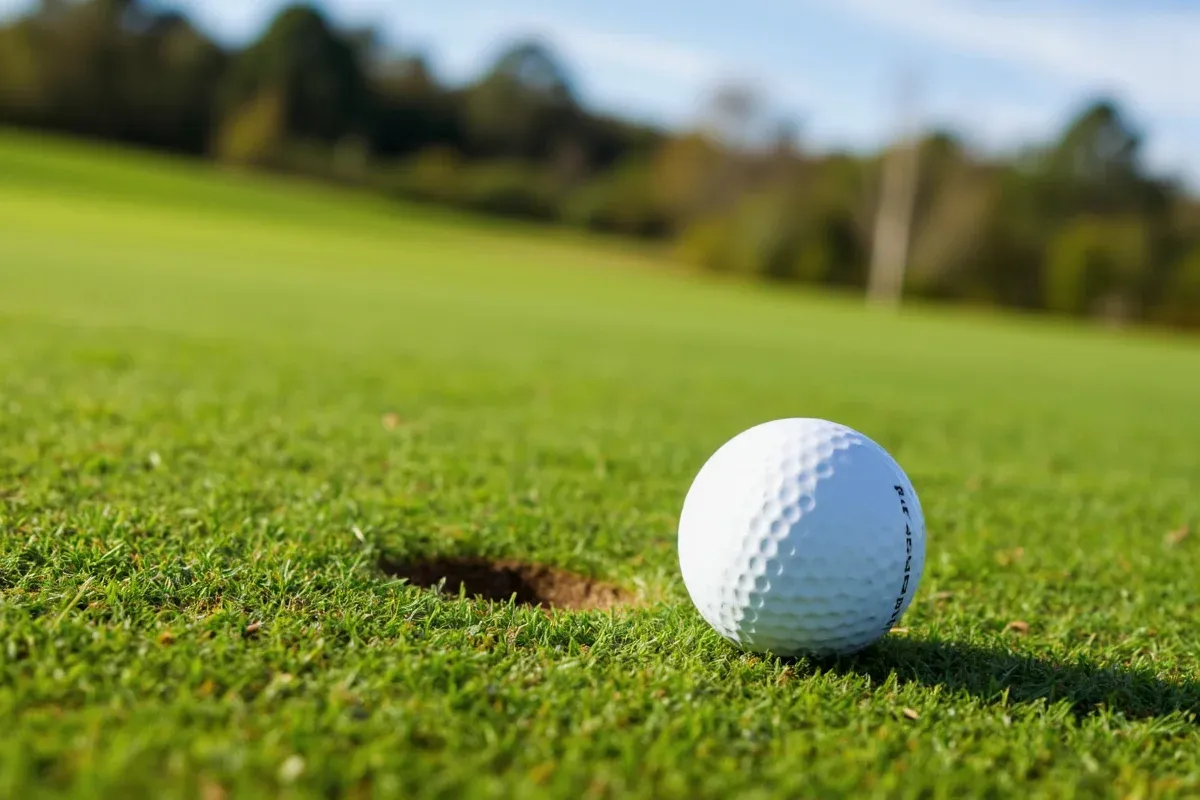
What Golf Ball Should I Use? Find Your Perfect Match
If you're wondering what golf ball should I use, the best choice depends on your swing speed, skill level, and desired performance traits like spin, feel, and distance. For most amateur players, two-piece golf balls such as the Titleist TruFeel or Callaway Chrome Soft offer an ideal balance of affordability, durability, and performance.
Understanding Your Swing Speed and Skill Level
Your swing speed is one of the most critical factors in choosing the right golf ball. Golf balls are engineered to compress at specific rates, which directly affects energy transfer and flight performance.
How Swing Speed Affects Ball Selection
- Below 90 mph: Opt for low-compression balls (e.g., Srixon Soft Feel) for increased distance and reduced spin.
- 90–105 mph: Mid-compression, two- or three-piece balls (e.g., TaylorMade Soft Response) provide a balanced performance.
- Above 105 mph: High-performance multi-layer balls (e.g., Titleist Pro V1) maximize control and spin around the greens.
Golf Ball Construction: What's Inside Matters
The internal design of a golf ball influences how it performs off the tee, through the air, and around the green.
Types of Golf Ball Construction
- One-Piece Balls: Rarely used; found mostly in driving ranges due to low cost and durability.
- Two-Piece Balls: Durable, low-spin, high-distance balls ideal for beginners and high-handicappers.
- Three-Piece Balls: Balanced spin and feel; suitable for mid-handicap players.
- Four+ Piece Balls: Advanced multi-layer designs offering superior control and feel; preferred by low-handicaps and professionals.
Performance Features to Consider
Different golfers prioritize different aspects of performance. Here's what to evaluate:
Distance vs. Control
Higher handicap players benefit from distance-focused balls with lower spin off the driver. Low-handicap players often prefer higher spin for short-game precision.
Feel and Feedback
Urethane covers (found in premium balls) deliver soft feel and enhanced greenside control. Surlyn covers are firmer but more durable and affordable.
| Golf Ball | Compression | Layers | Price per Dozen | Best For |
|---|---|---|---|---|
| Callaway Chrome Soft | 75 | 4 | $40 | Mid to low handicaps, all-around performance |
| Titleist Pro V1 | 90 | 3 | $50 | Low handicaps, tour-level control |
| Srixon Soft Feel | 60 | 2 | $25 | Beginners, slow swing speeds |
| Bridgestone Tour B RX | 65 | 3 | $35 | Mid swing speeds, distance with control |
| Vice Pro Plus | 85 | 4 | $30 | Budget-conscious advanced players |
The data shows a clear trend: higher compression balls are typically more expensive and designed for faster swing speeds. However, value options like the Vice Pro Plus offer multi-layer performance at a lower price point, making advanced technology accessible to more players.
Brand Comparisons and Value Analysis
Premium brands like Titleist and TaylorMade dominate the market, but direct-to-consumer brands such as Vice and Snell offer comparable performance at lower prices by cutting out retail markups.
Cost vs. Performance
- Titleist Pro V1: Industry benchmark, but priced at $50/dozen.
- Vice Pro: Similar construction, $30/dozen, popular among budget-savvy players.
- Snell MTB X: Designed by a former Top-Flite engineer, excellent spin and feel at $29.95/dozen.
Frequently Asked Questions About Golf Ball Selection
What golf ball should I use if I'm a beginner?
Beginners should use two-piece, low-compression golf balls like the Srixon Soft Feel or Callaway Warbird. These balls maximize distance, reduce side spin, and are more forgiving on mishits.
Do expensive golf balls make a difference?
Yes, but only if your skill level can take advantage of their features. Players with swing speeds over 100 mph and consistent ball striking benefit from the spin control and feel of premium balls like the Titleist Pro V1.
How do I know my swing speed?
You can measure swing speed using a launch monitor at a golf store or driving range. Alternatively, estimate based on driver distance: 180 yards ≈ 80 mph, 230 yards ≈ 100 mph, 270+ yards ≈ 110+ mph.
Can the right golf ball lower my score?
Absolutely. Using a ball matched to your swing speed and playing style can improve distance, consistency, and short-game control, potentially lowering your score by several strokes per round.
How often should I replace my golf balls?
Inspect your balls regularly for scuffs and cuts. Performance degrades significantly with visible damage. Recreational players should replace every 1–2 months; competitive players may change after each round.
More Articles
 How Old Is Djokovic Tennis Player? Age & Career Stats 2025
 Tennessee Baseball Play Today at 7 PM ET
 How Old Is Taylor Fritz? Age, Career & Stats (2025)
 How Many Seats Are in the Super Bowl? Full Breakdown
 How Many Baseball Players Are on a Team in MLB?
 What Channel Is the Peach Bowl On Today?
 Who Played in 2013 Super Bowl? Full Game Details
 How Long to Get Blue Belt in BJJ? (Realistic Timeline)
 What Length Golf Clubs Do I Need? Find Your Fit
 Badminton Smash Speeds: How Fast Do They Go?