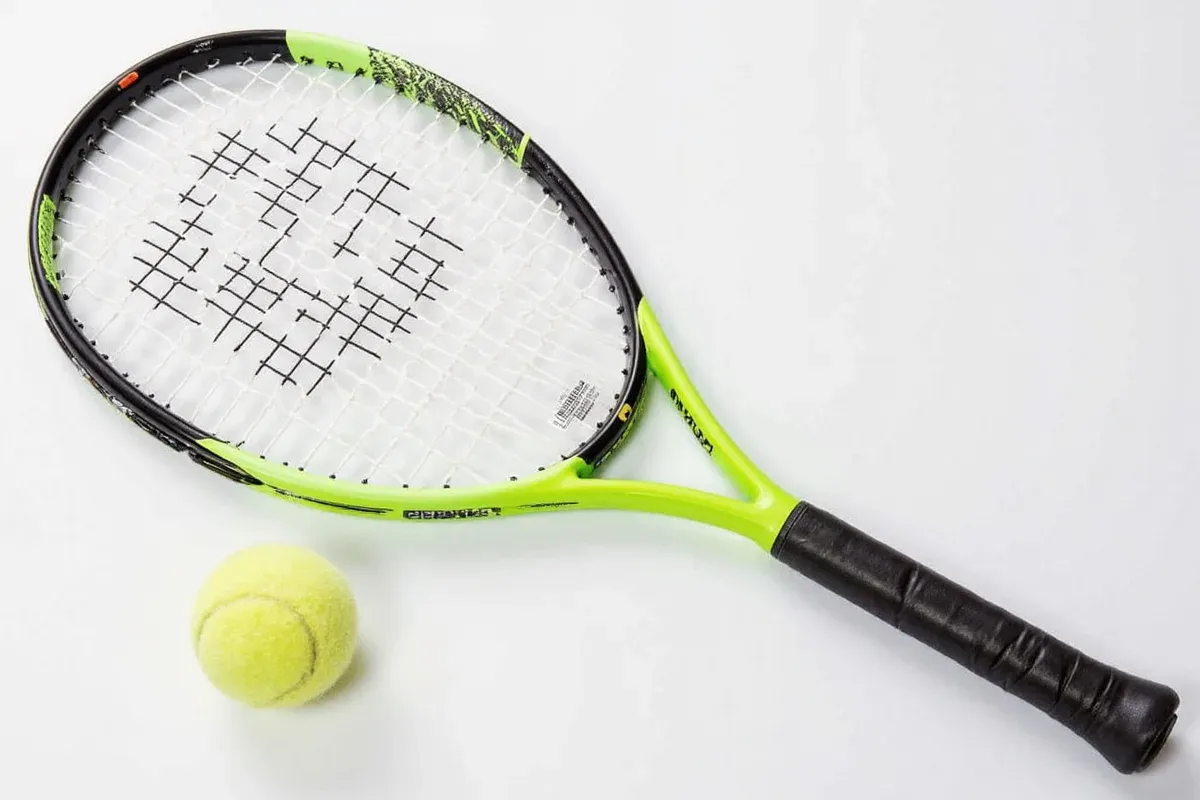
Tennis Racket Weight Effects Explained
Tennis racket weight significantly affects power, control, maneuverability, and injury risk. Heavier rackets generate more power and stability but reduce swing speed and increase stress on the arm; lighter rackets offer better handling and faster swings but may lack plow-through on hard shots.
How Tennis Racket Weight Influences Performance
The weight of a tennis racket is one of the most critical factors in determining how it performs on the court. Whether you're a beginner or an advanced player, choosing the right racket weight can impact your shot effectiveness, comfort, and long-term injury prevention.
Key Effects of Racket Weight
- Power: Heavier rackets (above 300g) transfer more mass into the ball, increasing natural power without extra effort.
- Control: Lighter rackets (below 280g) allow quicker adjustments and directional changes, enhancing precision on volleys and net play.
- Maneuverability: Lighter frames are easier to swing quickly, especially useful for serve-and-volley players or juniors.
- Stability: Heavier rackets resist twisting on off-center hits, offering better performance against powerful opponents.
- Injury Risk: Excessively heavy rackets can strain the shoulder, elbow, and wrist over time, especially with improper technique.
Player Types and Ideal Racket Weight
Different playing styles benefit from different racket weights. Understanding your game style helps match you with the optimal frame.
Beginners
New players often benefit from lighter rackets (250–280g unstrung) because they are easier to swing and require less physical strength. These help develop proper form without fatigue.
Intermediate Players
Players refining their skills may prefer mid-weight rackets (280–300g unstrung), balancing power and control while improving stroke development.
Advanced/Professional Players
Experienced players typically use heavier rackets (300–340g unstrung) for enhanced stability and power. They have developed strong techniques and muscular endurance to handle the added mass.
| Racket Weight (unstrung) | Average Swing Weight | Power Level | Maneuverability | Recommended For |
|---|---|---|---|---|
| 250–270g | 290–310 kg·cm² | Moderate | Very High | Beginners, juniors, seniors |
| 270–290g | 310–325 kg·cm² | Good | High | Recreational players |
| 290–310g | 325–340 kg·cm² | High | Moderate | Intermediate to advanced |
| 310–340g | 340–360+ kg·cm² | Very High | Low | Professionals, strong baseliners |
The data shows a clear trade-off between weight and agility: as static weight increases, so does swing weight and power potential, but responsiveness decreases. Players must balance these factors based on skill level and physical conditioning. Notably, professional players like Rafael Nadal use rackets weighing over 330g strung, highlighting the preference for stability at elite levels.
Balance Between Power and Injury Prevention
While heavier rackets improve performance, they also increase torque and load on the upper extremities. Studies show that using a racket too heavy for your strength level raises the risk of tennis elbow and rotator cuff issues.
Recommendations for Safe Use
- Gradually increase racket weight as strength improves.
- Use vibration dampeners and proper grip size to reduce shock transmission.
- Pair heavier rackets with strength training focused on shoulders and forearms.
- Consider customized weighting (lead tape) to fine-tune balance without adding excessive mass.
Frequently Asked Questions About Tennis Racket Weight
Does a heavier tennis racket give more power?
Yes, a heavier racket generally provides more power because increased mass contributes to greater momentum upon ball impact. This allows for better 'plow-through' on groundstrokes and serves, especially when facing fast-paced shots. However, this benefit depends on the player’s ability to swing the racket effectively.
What is the standard weight of a tennis racket?
The average unstrung tennis racket weighs between 280g and 320g. Entry-level rackets are often lighter (250–280g), while advanced models range from 300–340g unstrung. Once strung, rackets typically gain 15–25g in weight.
Can a light racket cause tennis elbow?
Yes, surprisingly, very light rackets (below 270g unstrung) can contribute to tennis elbow due to higher vibration and lower inertia, which transfers more shock to the arm. A well-balanced mid-weight racket (290–310g) is often safer for joint health.
How do I know if my racket is too heavy?
If you experience fatigue early in matches, struggle with quick reactions, feel shoulder or elbow pain after play, or notice reduced swing speed, your racket may be too heavy. A simple test: hold the racket straight out in front for one minute—if you shake or drop it quickly, it's likely too heavy for sustained use.
Can I modify my racket’s weight?
Yes, you can adjust racket weight using lead tape at the head for more mass and stability, or add weight to the handle for improved maneuverability. Customization allows players to fine-tune balance and swing weight without changing frames entirely.
More Articles
 Where Is the Citrus Bowl Played? Venue & Details
 Who Has the Most Majors in Golf? All-Time Leaders Revealed
 Olympic Archery Distance: 70 Meters Explained
 Tallest Wrestler in WWE: Full List & Records (2025)
 How Long Are MMA Fights? Full Breakdown by Promotion
 When Is Archery Season in Pennsylvania? 2025 Dates
 When Is the Wrestling Olympics? Paris 2024 Dates & Schedule
 Spencer Lee Wrestling Today: Schedule & How to Watch
 How Many Games Left in MLB 2025 Season?
 How Old Is The Undertaker? Age & Career Facts (2025)