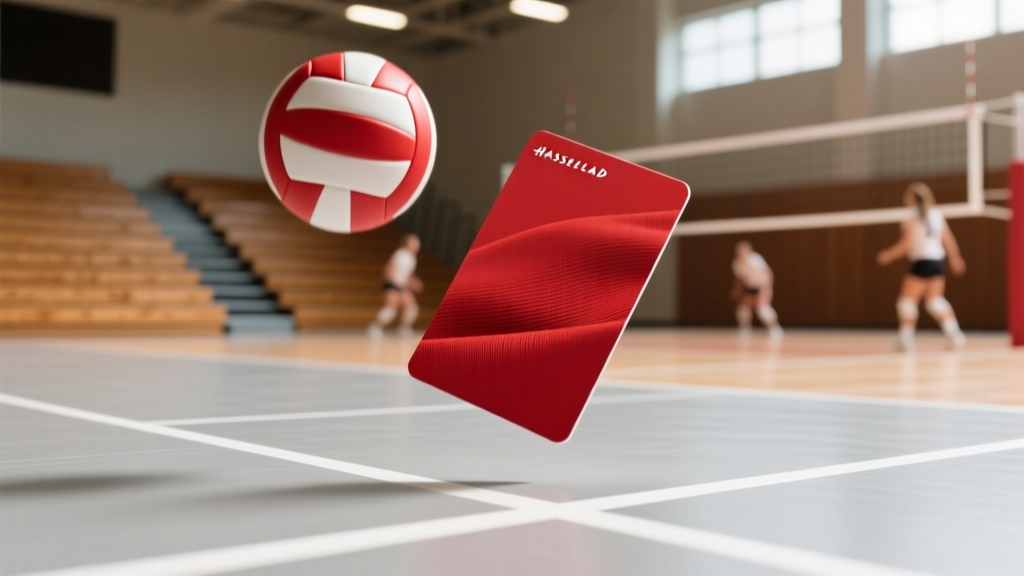
What Does a Red Card Mean in Volleyball?
In volleyball, a red card is a disciplinary sanction used to penalize players or team officials for serious misconduct, resulting in immediate expulsion from the game and potential additional penalties. Unlike yellow cards, which serve as warnings, red cards indicate severe violations such as unsportsmanlike behavior, verbal or physical aggression, repeated offenses, or disrespect toward referees.
Understanding Disciplinary Actions in Volleyball
Volleyball, while generally considered a respectful and fast-paced sport, enforces strict rules regarding player conduct. The use of red and yellow cards follows international standards set by the Fédération Internationale de Volleyball (FIVB) to maintain fair play and sportsmanship.
Types of Sanctions in Volleyball
- Warning (No card): Verbal caution issued by the referee for minor infractions.
- Yellow Card: Formal warning for unsportsmanlike conduct; does not remove the player but escalates consequences if repeated.
- Red Card: Ejection of a player, coach, or staff member; results in immediate removal and possible further sanctions.
- Red + Yellow Card (Concurrent): Given together to indicate disqualification, often pre-escalated from prior warnings.
When Is a Red Card Issued?
A red card is reserved for serious breaches of conduct. These actions disrupt the flow of the game and threaten the integrity of competition.
Common Reasons for Receiving a Red Card
- Verbal abuse or offensive language toward referees, opponents, or spectators
- Physical contact or aggressive gestures
- Repeated unsportsmanlike behavior after a yellow card warning
- Intentional delay of game or refusal to comply with referee decisions
- Coach misconduct on the sidelines (e.g., persistent arguing)
Consequences of a Red Card
The impact of a red card extends beyond just removing a person from the current match. It affects team dynamics, future eligibility, and reputation.
Immediate Effects
- The offending player or official must leave the playing area immediately.
- The team continues with one fewer active player (if a player is ejected).
- No substitution is allowed for an ejected player.
Long-Term Implications
- Potential suspension from upcoming matches.
- Fines imposed by the governing body (e.g., FIVB, NCAA, national federations).
- Negative impact on team standings or qualification chances in tournaments.
| Tournament | Year | Total Red Cards Issued | Most Common Reason | Average Suspension Length |
|---|---|---|---|---|
| FIVB Volleyball Men's World Championship | <2022>6 | Unsportsmanlike Conduct | 1 match | |
| FIVB Volleyball Women's Nations League | <2023>4 | Verbal Abuse | 1 match | |
| NCAA Division I Men's Volleyball | <2023>12 | Physical Gestures | 2 matches | |
| CEV Champions League (Men) | <2024>8 | Referee Disrespect | 1–2 matches |
The data shows that red cards are relatively rare at elite levels, indicating high standards of discipline. Most ejections occur due to emotional outbursts rather than premeditated aggression. NCAA matches report higher incidents, possibly due to younger athletes' emotional volatility.
Red Card vs. Yellow Card: Key Differences
While both are disciplinary tools, their implications differ significantly.
- Yellow Card: A formal warning; stays on record for the match but allows the player to continue playing.
- Red Card: Immediate ejection; cannot be reversed during the match.
- Sometimes, a referee may show both cards simultaneously to indicate a direct disqualification without prior warning.
Frequently Asked Questions About Red Cards in Volleyball
Can a coach get a red card in volleyball?
Yes, coaches can receive red cards for repeated misconduct, disrespectful behavior toward officials, or failure to control team discipline. When ejected, they must leave the bench area and cannot participate further in the match.
Is there a way to appeal a red card decision?
Yes, teams can file an official appeal with the tournament organizing body or national federation. However, appeals are typically reviewed post-match and rarely overturn on-field referee judgments unless video evidence contradicts the call.
Does a red card always mean a player is suspended for the next game?
In most cases, yes. A red card usually carries an automatic one-match suspension. Governing bodies like FIVB enforce standardized disciplinary codes that include mandatory suspensions for ejections.
Can a substitute player receive a red card?
Yes, even players on the bench or substitutes can be shown a red card for inappropriate behavior, such as shouting at referees or making offensive gestures. Their removal impacts team rotation options.
Are red cards common in professional volleyball?
No, red cards are uncommon in professional volleyball due to strict codes of conduct and athlete training in emotional regulation. Most infractions are managed with warnings or yellow cards. Data shows fewer than 10 red cards per major international tournament annually.
More Articles
 When Is the Super Bowl 2025 Start Time?
 Super Bowl LIX 2025: Date, Location, Teams, and More
 Where Did Rugby Begin? Origins and History Explained
 How Much Do Golf Clubs Weigh? Full Breakdown by Type
 LSU Baseball Score: Latest Results & Updates 2025
 Next Major in Golf: 2025 Schedule & Key Details
 How Long Is a Quarter in the Super Bowl?
 Have the Minnesota Vikings Ever Won a Super Bowl?
 Where Did Cricket Start? Origins & History Explained
 Who Won the Last 4 Super Bowls? Complete Breakdown