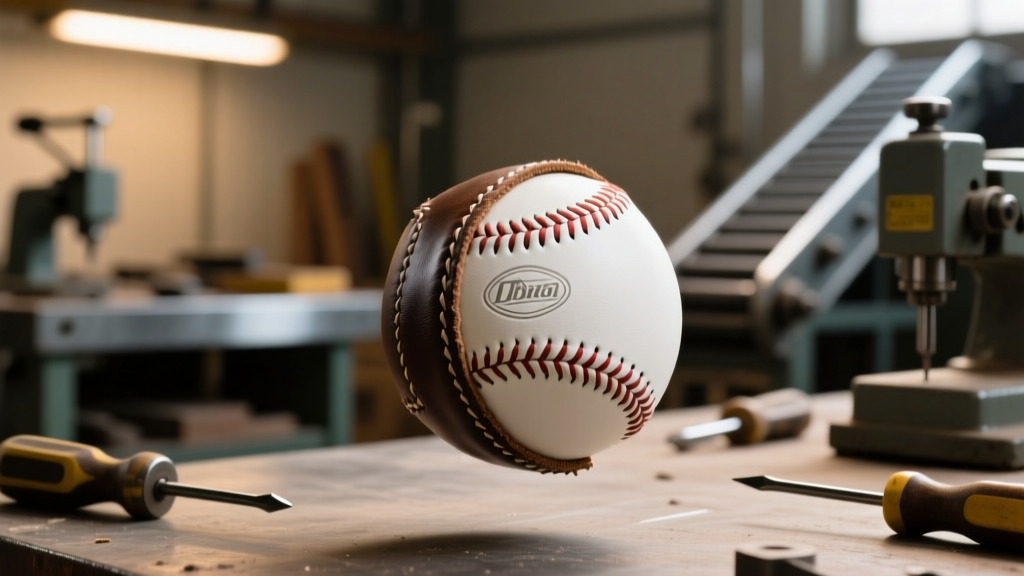
Where Are MLB Baseballs Made? Full 2025 Guide
Major League Baseball (MLB) baseballs are manufactured in Costa Rica at a Rawlings facility in the city of Turrialba. This production site has been the exclusive source of official MLB game balls since 2019, ensuring consistent quality, rigorous craftsmanship, and strict adherence to league specifications. Each ball is hand-stitched with Grade-A cowhide leather sourced from Tennessee and undergoes multiple inspection stages before being shipped to stadiums across North America.
History of MLB Baseball Manufacturing
The production of Major League Baseballs has evolved significantly over the decades, reflecting changes in materials, labor, and manufacturing standards. Originally made in the United States, MLB baseballs were produced domestically for much of the 20th century.
Shift from U.S. to Overseas Production
- Prior to the 1970s, most MLB baseballs were made in facilities across the U.S., including in Massachusetts and Ohio.
- In the 1970s, production moved to Haiti under Rawlings, primarily due to lower labor costs and favorable trade agreements.
- From the 1980s through 2019, Haiti remained the primary manufacturing hub for MLB baseballs.
- In 2019, Rawlings transitioned production from Haiti to Costa Rica to improve working conditions, quality control, and supply chain efficiency.
Rawlings: The Official Supplier of MLB Baseballs
Rawlings Sporting Goods has been the official supplier of baseballs to Major League Baseball since 1977. As a subsidiary of American sporting goods company Jarden (later acquired by Newell Brands), Rawlings maintains tight control over the design, materials, and production process of every official MLB ball.
Why Rawlings Was Chosen
- Consistent quality and performance across batches
- Long-standing relationship with MLB dating back nearly 50 years
- Investment in ethical labor practices and factory oversight
- Advanced quality assurance systems in place at the Costa Rican plant
Inside the Costa Rica Factory: How MLB Baseballs Are Made
The Rawlings factory in Turrialba, Costa Rica, employs around 300 skilled artisans who handcraft each baseball to exacting specifications set by MLB. The facility operates under strict supervision to ensure compliance with league standards.
Step-by-Step Manufacturing Process
- Core Formation: A rubberized cork center (called a "pill") is prepared and layered with blue-gray cushioned cork and two layers of red-black rubber.
- Winding Yarn: Approximately 121 yards (363 feet) of wool and poly/cotton yarn are hand-wound around the core in precise tension patterns.
- Cowhide Covering: Two pieces of white, full-grain cowhide from Tennessee-sourced hides are cut and stitched together using 108 stitches of red waxed thread.
- Stamping & Inspection: Each ball receives the MLB logo, commissioner’s signature, and lot number before undergoing visual and weight/size checks.
- Packaging: Final balls are packed in groups of six and shipped directly to MLB teams.
| Component | Material Source | Quantity / Specification | Manufacturing Location |
|---|---|---|---|
| Core ("pill") | Synthetic rubber and cork composite | Diameter: ~1.5 inches | United States |
| Cushion Cork Layer | Blue-gray cushioned cork | ~1/8 inch thick layer | Imported to Costa Rica |
| Rubber Windings | Red-black rubber | Two layers applied | Costa Rica |
| Yarn Windings | Wool and poly/cotton blend | ~121 yards per ball | Hand-wound in Costa Rica |
| Cowhide Cover | Grade-A full-grain cowhide | Two figure-eight pieces, 9.125-inch circumference | Tennessee, USA → Cut & Stitched in Costa Rica |
| Stitching | Red waxed polyester thread | 108 stitches, hand-sewn | Costa Rica |
| Final Ball Weight | N/A | 5.00–5.25 ounces (142–149 g) | Inspected in Costa Rica |
| Circumference | N/A | 9.00–9.25 inches (22.9–23.5 cm) | Inspected in Costa Rica |
The data shows that while key raw materials like cowhide and rubber composites originate in the U.S., final assembly and quality control occur exclusively in Costa Rica. This hybrid supply chain balances domestic sourcing with international craftsmanship. The precision in weight, circumference, and stitching ensures uniformity critical for high-level competition.
Quality Control and Authentication
Every MLB baseball is subject to rigorous testing before reaching the field. At the Costa Rica facility, each ball is measured for weight, circumference, seam height, and symmetry.
Post-Factory Oversight
- Balls are randomly tested by MLB labs for coefficient of restitution (COR), which measures bounciness.
- Seam height is closely monitored as it affects aerodynamics and pitcher grip.
- Since 2021, MLB has adjusted specifications slightly to reduce home run variance, including lowering seam height on average.
- Each shipment includes traceable lot numbers to track production batches in case of anomalies.
Environmental and Labor Practices
The move to Costa Rica was partly motivated by a commitment to improved labor standards. Unlike previous operations in Haiti, the Turrialba factory offers fair wages, healthcare benefits, and safe working conditions.
Ethical Manufacturing Advantages
- Employees earn above the national average wage in Costa Rica
- Factory is certified under international labor standards
- Rawlings collaborates with local vocational schools to train stitchers
- Reduced carbon footprint due to proximity to U.S. via shipping routes
Frequently Asked Questions About Where MLB Baseballs Are Made
Where are MLB baseballs made in 2025?
As of 2025, all official MLB baseballs are manufactured at the Rawlings factory in Turrialba, Costa Rica. This has been the sole production site since 2019, replacing the previous facility in Haiti.
Are MLB baseballs made by hand?
Yes, every MLB baseball is hand-stitched by skilled artisans in Costa Rica. Each ball requires approximately 108 stitches sewn with red waxed thread, and the entire construction process involves significant manual labor despite some automated steps in winding.
Why did MLB move baseball production to Costa Rica?
MLB and Rawlings moved production to Costa Rica in 2019 to improve labor conditions, enhance quality control, and streamline logistics. The decision followed scrutiny over working conditions in Haiti and aimed to ensure more consistent product standards.
What materials are used in an official MLB baseball?
An official MLB baseball consists of a rubber-cork center, layers of cushioned cork and rubber, 121 yards of wool and blended yarn, and a cover made from two pieces of full-grain cowhide leather sourced from Tennessee. All components meet strict league specifications.
How many baseballs are used in an MLB season?
MLB uses approximately 900,000 baseballs per regular season. With 30 teams playing 162 games each, and an average of 8–10 dozen balls used per game, the demand remains high and is fully supplied by the Costa Rica factory.
More Articles
 Why Is It Called the World Series in Baseball?
 How Many Super Bowls Do the Buffalo Bills Have?
 When Does Baseball Start? 2025 MLB Season Dates
 Who Is Baseball Playoffs? Format, Teams & History Explained
 Where Is Cricket Popular? Top Countries & Global Reach
 What Time Does Wrestling Come On Tonight?
 Tennis Shoes Made in the USA: Brands & Facts
 Where Is the Orange Bowl Played? Venue & History
 How Heavy Is a Baseball? Official Weight in Ounces & Grams
 Where Is the Orange Bowl Played? Venue Details