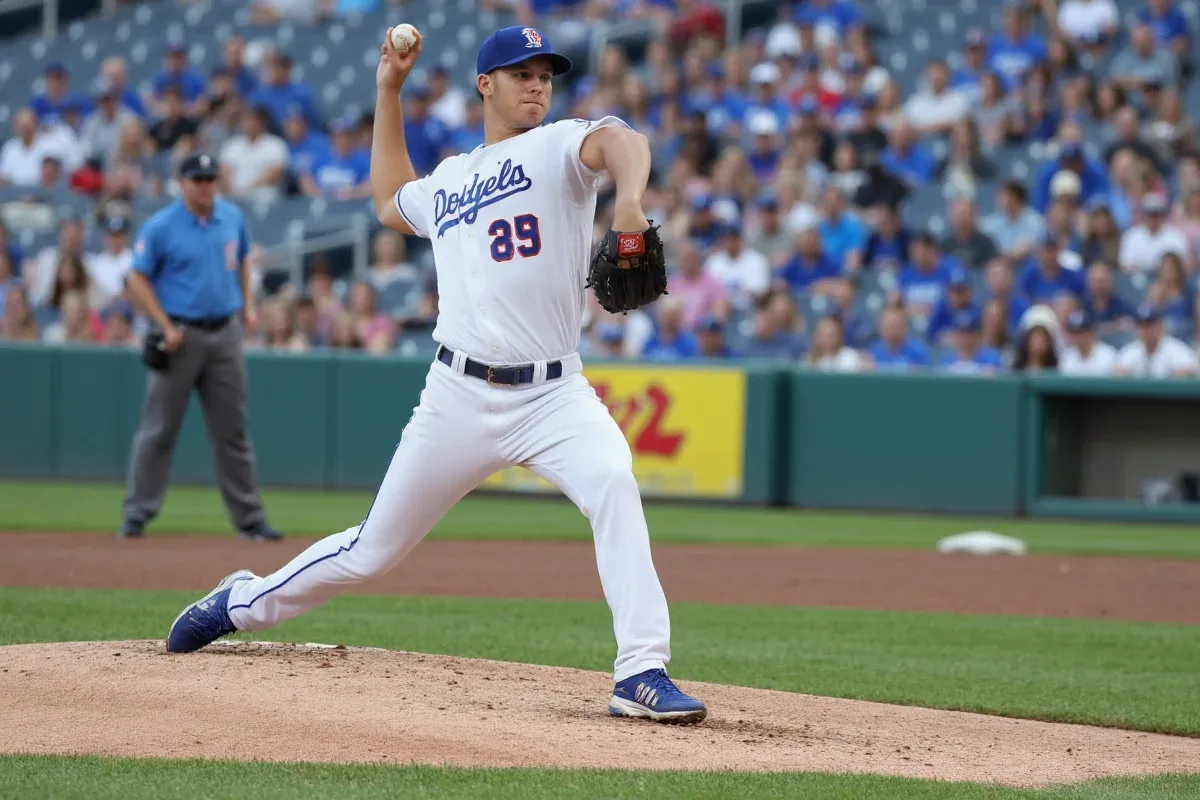
How Many Different Pitches Are in Baseball? 12 Explained
There are actually not 12 different pitches in baseball—there are typically 7 to 9 main types of pitches, each with variations that can total over a dozen distinct pitch styles. The most common include the fastball (four-seam, two-seam), changeup, curveball, slider, cutter, sinker, and split-finger fastball. Advanced pitchers may use hybrid or rare pitches like the knuckleball or screwball, bringing the total number of recognizable pitch types close to 12 when including variants.
Main Types of Baseball Pitches
While the idea of exactly 12 standardized pitches is a misconception, professional pitchers employ a variety of pitch types based on grip, arm motion, and spin. Below are the primary categories, each with subtypes that alter speed, movement, and deception.
Core Pitch Categories
- Four-Seam Fastball: High velocity, minimal break, used for strikes.
- Two-Seam Fastball (Sinker): Slight downward or arm-side movement.
- Changeup: Slower pitch mimicking fastball mechanics. \li>Curveball: High-arc pitch with sharp downward break.
- Slider: Lateral and downward movement, faster than a curveball.
- Cutter (Cut Fastball): Slight glove-side movement at near-fastball speed.
- Split-Finger Fastball: Dives sharply as it reaches the plate.
- Knuckleball: Very low spin, erratic movement; rarely used.
- Screwball: Rare pitch breaking opposite a curveball.
Pitch Variants That Expand the Total Count
The notion of "12 different pitches" likely comes from counting variations within core types. For example, a pitcher might throw multiple versions of a changeup (circle change, palmball) or sliders (slurve, gyro slider). These subtle differences in grip and release point create unique movement profiles.
Common Pitch Variations
- Circle Changeup: More pronounced arm-side fade.
- Forkball: Similar to split-finger but gripped deeper.
- Slurve: Blend of slider and curveball.
- Submarine Pitch: Delivered from extreme low angle, altering trajectory.
- Eephus Pitch: Extremely slow, high-arcing pitch used occasionally.
Detailed Breakdown of Pitch Characteristics
| Pitch Type | Avg Speed (mph) | Movement (inches) | Spin Rate (rpm) | Usage Rate (MLB, 2024) |
|---|---|---|---|---|
| Four-Seam Fastball | 93.5 | 8 ↑ / 6 → | 2350 | 35% |
| Slider | 85.2 | 3 ↓ / 10 ← | 2600 | 18% |
| Curveball | 78.9 | 12 ↓ / 5 → | 2400 | 12% |
| Changeup | 86.1 | 8 ↓ / 10 ← | 1800 | 10% |
| Two-Seam Fastball | 92.8 | 10 ↓ / 8 ← | 2100 | 9% |
| Cutter | 90.5 | 4 ↓ / 6 ← | 2200 | 7% |
| Split-Finger | 87.3 | 15 ↓ / 5 → | 1600 | 3% |
| Knuckleball | 68.0 | Unpredictable | 600 | <1% |
The data shows fastballs dominate MLB usage, particularly the four-seam variant. Sliders have become increasingly popular due to high spin rates and late movement, making them effective out-pitches. Knuckleballs are statistical outliers, thrown by fewer than five pitchers annually.
Spin rate and velocity trends indicate modern pitching emphasizes movement efficiency. Higher-spin sliders and curveballs generate more swings and misses, explaining their rising usage since 2020.
About the Myth of 12 Distinct Pitches
The claim of “12 different pitches” likely stems from combining core types with niche variants. While some sources list up to 12 named pitches, many are situational or stylistic tweaks rather than fundamentally different deliveries. Major League Baseball officially tracks around 8–9 pitch types through Statcast.
Why the Confusion Exists
- Broadcasters and analysts often give unique names to hybrid pitches.
- Relief pitchers specialize in rare grips, increasing perceived variety.
- Data systems like PitchFX classify pitches by movement, not name, leading to reclassification.
Common Questions About Baseball Pitches
How many types of pitches are there in baseball?
There are 7 to 9 primary pitch types in baseball, including fastball variants, changeups, curveballs, sliders, and cutters. When counting variations like circle changeups or slurve pitches, the total number can approach 12, but these are not standardized across players or leagues.
What are the 12 pitches in baseball?
There is no official list of exactly 12 pitches. Commonly recognized types include four-seam fastball, two-seam fastball, sinker, changeup, circle change, curveball, slider, cutter, split-finger, forkball, knuckleball, and screwball. This list totals 12, but several are rare or context-specific.
What is the hardest pitch to hit in baseball?
The slider, especially with high spin rate and tight break, is one of the hardest pitches to hit. Data from 2024 shows sliders generate the highest swing-and-miss rate (18.7%) among non-fastballs. Late lateral movement makes timing extremely difficult for batters.
What pitch is most commonly thrown in MLB?
The four-seam fastball is the most frequently thrown pitch in Major League Baseball, accounting for approximately 35% of all pitches in 2024. It’s used as a strike-seeking pitch due to its velocity and relative straight flight path.
Do all pitchers throw 12 different pitches?
No pitcher throws all 12 pitch types. Most elite pitchers master 3 to 5 pitches, mixing speeds and movements. Even the most versatile starters typically use only 4–6 distinct pitch types in games. Throwing too many pitches reduces command and increases injury risk.
More Articles
 Who Won French Open Tennis 2025? Champions Revealed
 Rangers 2025 Opening Day: Date, Opponent & Tickets
 How Many Super Bowls Have the Browns Won? (Answer)
 Step Stool and Ladder Buying Guide: Safety First
 How Much Does a Volleyball Weigh? Official Weight by Type
 When Do Golf Clubs Go on Sale? Top Times to Save
 Terry Bradshaw Super Bowl Wins: 4 Titles Explained
 NFL Teams That Have Never Been to a Super Bowl
 What Does Box Mean in Sports and Fitness?
 Why Is 3 Strikes in a Row Called a Turkey in Bowling?