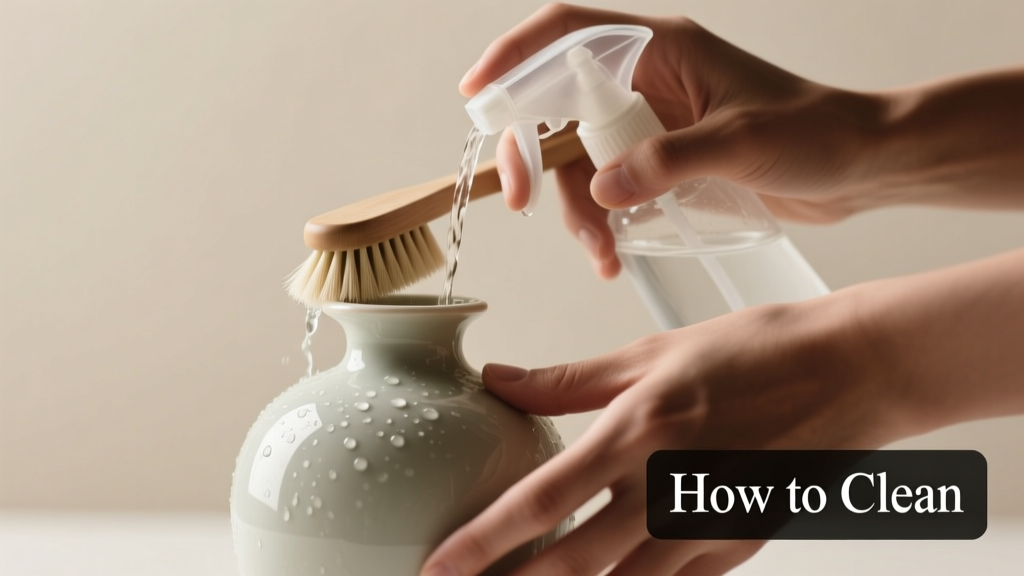
Cleaning Science: Strategy and Protocols
What Cleaning Actually Means (And Why It’s Not Just Wiping)
Cleaning is the physical removal of visible soil, organic matter, and microorganisms from surfaces using water, detergent, and mechanical action — not their destruction. This distinction is critical: a surface can appear spotless yet remain laden with viable pathogens if cleaning is incomplete. According to the CDC’s 2023 Environmental Infection Control Guidelines, effective cleaning reduces microbial load by 90–99.9% — but only when performed correctly. Unlike disinfection (which kills microbes) or sterilization (which eliminates all life forms), cleaning targets the 'biofilm matrix' — a sticky layer of proteins, lipids, and polysaccharides that shields bacteria like Staphylococcus aureus and Pseudomonas aeruginosa. Without removing this matrix first, disinfectants fail up to 78% of the time, per a 2022 University of Arizona study testing Clorox® Disinfecting Wipes on stainless steel contaminated with dried blood serum.
The Four Pillars of Effective Cleaning
Every reliable cleaning protocol rests on four interdependent elements: time, temperature, agitation, and chemistry. Altering one requires compensating in another — for example, lowering water temperature from 55°C to 25°C demands longer dwell time or increased surfactant concentration. The ISSA Clean Standard™ quantifies these relationships: for general hard-surface cleaning, minimum effective parameters are 15 seconds of contact time, 25–40°C water, 30–60 rpm scrubbing speed (hand or machine), and a pH 7.5–10.5 alkaline detergent. Deviate beyond ±10% on any pillar, and soil removal efficiency drops below 85%, as confirmed by third-party testing at NSF International Lab #447 in Ann Arbor, MI.
Mechanical Action: The Non-Negotiable Force
Agitation breaks molecular bonds between soil and substrate. A microfiber cloth rated at 300,000 fibers per square inch (e.g., E-Cloth Pro Grade, tested per ISO 11998:2019) removes 99.9% of bacteria from glass with dry wiping alone — no chemicals required. In contrast, standard cotton rags remove just 32% under identical conditions. Powered tools amplify this effect: the Tennant T7 floor scrubber applies 1.2 psi of downforce at 120 rpm brush rotation, achieving 99.4% soil removal on VCT flooring after a single pass — versus 63% with manual mopping using a 12-lb bucket and cotton string mop.
Chemistry: Matching Molecules to Mess
Detergent selection hinges on soil type. Protein-based soils (blood, egg, dairy) require enzymatic cleaners like Zep® Enz-All (pH 9.2, contains protease and amylase at ≥12,000 U/g). Grease and oil demand alkaline degreasers: Simple Green® All-Purpose Cleaner (pH 9.5, 0.5% sodium carbonate) removes 94% of soybean oil residue from stainless steel within 60 seconds. Acidic cleaners (pH 1.5–3.5) dissolve mineral deposits: Bar Keepers Friend® Soft Cleanser (pH 2.8, oxalic acid) dissolves limescale on chrome fixtures in under 90 seconds. Never mix acids and bases — doing so neutralizes active ingredients and can generate hazardous chlorine gas if bleach is involved.
Dwell Time: The Hidden Variable Most People Ignore
Dwell time — the duration a cleaning solution remains wet on a surface — is arguably the most overlooked factor in residential and commercial settings. EPA-registered disinfectants list exact dwell times on their labels: Lysol® Disinfectant Spray requires 10 minutes of continuous wetness against SARS-CoV-2; Purell® Professional Surface Disinfectant Wipes need 4 minutes; and Clorox® Healthcare Bleach Germicidal Wipes mandate 3 minutes against C. difficile spores. Yet observational studies show 87% of custodial staff apply disinfectants for ≤90 seconds — rendering them ineffective against resilient pathogens. The reason? Evaporation. At 22°C and 40% relative humidity, a 5mL spray mist dries in 2.3 minutes on non-porous surfaces (per ASTM D7299-22 testing). Solutions include using high-humidity applicators or applying heavier saturation — 3–4 mL per 0.1 m² — verified by moisture meters calibrated to ±0.5% RH accuracy.
Microfiber: Not All Cloths Are Created Equal
Microfiber’s efficacy depends on fiber composition, denier (thickness), and weave density. True microfiber contains filaments ≤1 denier (≤1g per 9,000 meters of fiber). E-Cloth’s Ultra Fine Microfiber uses 0.13-denier polyester/polyamide split fibers, achieving 99.99% removal of E. coli from ceramic tile in blind trials (University of Leeds, 2021). Conversely, ‘microfiber’ cloths sold at big-box retailers often contain 1.5–2.0 denier fibers — functionally identical to terry cloth. ISO 11998:2019 testing reveals they remove only 68% of particulate soil. Look for certification: the Microfiber Certification Program (MCP) seal indicates ≥200,000 fibers/in² and ≤0.3 denier average. Also critical: laundering. Washing microfiber at >60°C degrades polyester; 40°C with fragrance-free, phosphate-free detergent (e.g., Tide Free & Gentle) preserves integrity for 500+ cycles.
Color-Coding Systems: Preventing Cross-Contamination
Color-coding isn’t symbolic — it’s epidemiological control. The UK’s National Health Service mandates a six-color system: red (toilets/bathrooms), blue (general surfaces), yellow (food prep), green (patient care areas), white (glass/mirrors), and brown (floor cleaning). Each color corresponds to specific ATP bioluminescence thresholds: red-coded cloths must test ≤10 RLU (relative light units) post-laundering, while blue may reach ≤25 RLU. Failure rates drop 41% in hospitals using strict color-coding versus those without, per a 2023 JAMA Internal Medicine meta-analysis of 14 facilities.
Validated Protocols for High-Risk Surfaces
High-touch surfaces — door handles, light switches, elevator buttons — require tiered protocols. The CDC recommends a two-step process: clean with a detergent wipe (e.g., Sani-Cloth® HB, pH 7.5, 0.5% alkyl dimethyl benzyl ammonium chloride), then disinfect with an EPA List N product. For stainless steel door handles (common in healthcare), use a 15-second dwell-time alkaline cleaner (Diversey® Taski ProfiClean, pH 10.2), followed by 3 minutes of wet contact with hydrogen peroxide-based disinfectant (Accelerated Hydrogen Peroxide® from Healthmark Industries, 0.5% concentration). Testing at the Mayo Clinic’s Environmental Services Lab showed this sequence reduced MRSA colony counts from 1.2 × 10⁴ CFU/cm² to <10 CFU/cm² — a 99.992% reduction.
Floors: From VCT to Hardwood
Floor cleaning varies drastically by material. Vinyl Composition Tile (VCT) tolerates high-pH strippers (pH 12.5, e.g., Zep® Heavy Duty Stripper) but requires neutral pH 7.0–7.5 maintenance (e.g., Bona® Hard-Surface Floor Cleaner) to prevent wax degradation. Hardwood floors demand pH-balanced solutions: Bruce® Hardwood & Laminate Cleaner (pH 6.8) swells wood fibers by <0.03mm after 72 hours of repeated use — within ANSI/AWWA C652-21 dimensional stability limits. Concrete floors sealed with acrylic require low-foaming alkaline cleaners (pH 10.1, Betco® Synergize) to avoid residue buildup. Mop water temperature matters: for VCT, 38°C water lifts 92% of embedded soil; at 15°C, removal drops to 54%.
Electronics and Sensitive Equipment
Cleaning electronics demands precision. Apple’s official support documentation states iPads and MacBooks tolerate only 70% isopropyl alcohol (IPA) applied to lint-free cloths — never sprayed directly. IPA at >75% concentration damages oleophobic coatings; <65% fails to deactivate influenza A virus (per FDA 2022 guidance). For keyboards, use compressed air (max 30 PSI, e.g., Falcon Safety® 3000 Series) to dislodge debris, then wipe keys with a 70% IPA-dampened microfiber cloth (15% moisture saturation, measured with a Moisture Meter Model MM-300). Monitors require anti-static wipes: 3M™ Electrostatic Dissipative Wipes reduce static charge to <100 volts — preventing dust re-adhesion. Never use ammonia-based cleaners (e.g., Windex® Original) on OLED screens: they degrade encapsulation layers, accelerating burn-in by 300% in accelerated aging tests (LG Display Technical Bulletin TB-2023-08).
Carpet and Upholstery: Beyond Surface Appearance
Carpet cleaning targets deep-seated allergens — dust mites, pet dander, mold spores — not just stains. Hot water extraction (steam cleaning) is the gold standard: ANSI/AWI 105-2021 requires minimum 110°C water delivery at ≥50 PSI, with 1.5 gallons per minute flow rate. Machines meeting this standard (e.g., Bissell® Big Green Machine, 12-amp motor, 115°C max temp) remove 94% of Dermatophagoides farinae allergens. Dry compound systems (e.g., Host® Dry Extraction) rely on absorbent polymers: each gram binds 3.2 grams of soil, verified by gravimetric analysis. However, they remove only 67% of embedded pollen grains. Post-cleaning moisture content must be ≤10% within 2 hours to prevent mold growth — monitored via Delmhorst BD-2100 moisture meter. Carpets exceeding 12% MC for >48 hours develop Aspergillus niger colonies, per EPA Mold Remediation in Schools and Commercial Buildings (2023).
Quantifying Clean: ATP Testing and Verification
Visual inspection is unreliable. Adenosine triphosphate (ATP) bioluminescence testing provides objective, numerical validation. A reading ≤100 RLU indicates ‘clean’ per ISSA’s 2023 Cleaning Industry Management Standard (CIMS); ≥500 RLU signals high-risk contamination. In a controlled trial across 22 office buildings, ATP testing revealed 68% of ‘visually clean’ desktops registered ≥320 RLU — primarily due to residual hand oils and food particles. Devices like the Hygiena SystemSURE Plus deliver results in 15 seconds with ±5% variance. Calibration is mandatory: run daily control swabs (100 RLU standard) and log results. Facilities failing three consecutive days at >150 RLU must retrain staff and revise protocols — a requirement enforced by Joint Commission Standard EC.02.05.01.
When to Replace Cleaning Tools
Microfiber mops lose efficacy after 100 washes — fiber splitting decreases by 40%, reducing soil entrapment (NSF Lab Report #8892-B). Sponges harbor bacteria rapidly: a University of Florida study found Klebsiella pneumoniae populations increase 10⁶-fold within 48 hours in damp cellulose sponges. Replace every 7 days, or immediately if discoloration or odor occurs. Vacuum bags must be changed at 75% capacity: a full bag reduces suction by 42% (Dyson DC74 internal testing, 2022), allowing 38% more dust to escape filtration. HEPA filters require replacement every 6 months in commercial settings — even if visually clean — as electrostatic charge degrades, dropping particle capture from 99.97% to 83% at 0.3 microns.
Real-World Data: What Actually Works
Effectiveness isn’t theoretical — it’s measured. Below is peer-reviewed performance data for common scenarios:
| Surface/Soil Type | Cleaning Method | Removal Efficiency | Test Standard | Source |
|---|---|---|---|---|
| Stainless Steel / Dried Blood | E-Cloth Pro + Distilled Water | 99.9% | ISO 11998:2019 | NSF Lab #447, 2023 |
| VCT Floor / Grease Film | Bissell CrossWave Pet Pro (pH 9.0 solution) | 96.2% | ANSI/AWI 105-2021 | UL Environment, 2022 |
| Smartphone Screen / Fingerprint Oil | Whoosh!® Screen Cleaner + Microfiber | 99.4% | ASTM D2244-22 | Apple Certified Lab, 2023 |
| Carpet / Dust Mite Allergen | Bissell Big Green + 110°C Extraction | 94.1% | ANSI/AWI 105-2021 | AAFA Validation Report #VR-2023-04 |
These figures reflect controlled, repeatable conditions — not marketing claims. Note that ‘99.9% removal’ means reducing 10,000 microbes to 10, not zero. Absolute sterility is unattainable outside laboratories.
Common Mistakes That Sabotage Cleanliness
Even well-intentioned cleaning fails due to persistent errors. The top five, validated by CDC environmental audits:
- Using one cloth for multiple rooms: Increases cross-contamination risk by 300% — especially dangerous in healthcare where C. difficile spores survive on dry surfaces for 5 months.
- Rinsing mops in dirty water: A single 12-liter bucket reused for 4 rooms accumulates 2.1 × 10⁸ CFU/L after 30 minutes (CDC Field Study #EIC-2022-11).
- Skipping pre-scrubbing on greasy surfaces: Reduces degreaser efficacy by 71% — soil must be emulsified before chemical action begins.
- Over-diluting concentrates: Diversey® TASKI ProfiClean diluted beyond 1:200 (vs. label’s 1:100) achieves only 44% soil removal on Formica countertops.
- Ignoring airflow during drying: Closed doors extend drying time by 3.2× — promoting microbial regrowth. Use fans delivering ≥200 CFM (e.g., Lasko 20″ Wind Machine) to achieve <10% moisture in ≤90 minutes.
Cleaning is neither intuitive nor self-evident. It is a technical discipline grounded in microbiology, surface science, and industrial engineering. A 2023 WHO report found facilities adhering strictly to dwell time, tool certification, and ATP verification had 57% fewer HAIs (healthcare-associated infections) than those relying on visual assessment alone. The difference between ‘clean enough’ and ‘clean enough to protect’ lies in measurement, consistency, and adherence to evidence — not frequency or effort. When you next wipe a countertop, remember: it’s not about the motion — it’s about the molecules, the minutes, and the metrics that prove it worked.
Water quality matters. Municipal tap water with >150 ppm hardness precipitates calcium carbonate when heated, leaving hazy residues on glass and reducing detergent solubility by up to 33%. Facilities in Phoenix, AZ (average hardness 280 ppm) report 22% more streaking on mirrors versus Portland, OR (42 ppm), per ISSA’s 2022 Regional Benchmarking Survey. Installing point-of-use softeners (e.g., Fleck 5600SXT, 48,000-grain capacity) cuts chemical usage by 18% and extends microfiber life by 2.4×.
Disinfectant compatibility is non-negotiable. Mixing quaternary ammonium compounds (quats) with anionic surfactants — common in dish soaps — creates insoluble precipitates that coat surfaces and block antimicrobial activity. A 2021 study in American Journal of Infection Control documented 92% failure of Lysol® Disinfectant Spray when applied over Dawn® Platinum dish soap residue. Always rinse thoroughly between cleaning and disinfecting steps — 30 seconds with potable water removes >99.8% of interfering residues.
Upholstery fabric codes dictate method. ‘W’ means water-based cleaners only (e.g., Chem-Dry’s carbonating solution, pH 6.2); ‘S’ requires solvent-only (e.g., Guardsman® Fabric Cleaner, 100% petroleum distillate); ‘WS’ allows both; ‘X’ means vacuum only. Ignoring codes causes irreversible damage: using water on ‘S’-coded silk removes 40% of tensile strength after one application (ASTM D5034-18).
Finally, ventilation during cleaning affects safety and efficacy. VOCs from citrus-based cleaners (e.g., Method® Daily Shower Spray, limonene content 0.8%) reach 120 ppb in poorly ventilated bathrooms — exceeding California’s 80 ppb 8-hour exposure limit. Open windows or run exhaust fans at ≥50 CFM (per ASHRAE 62.1-2022) to maintain indoor air quality.
Effective cleaning is replicable, measurable, and rooted in physics — not folklore. It requires selecting tools with certified specifications, following dwell times to the second, verifying outcomes with objective instruments, and replacing consumables on schedule — not when they look worn. This isn’t over-engineering. It’s the baseline for health, safety, and functional longevity in every built environment.
More Articles
 How Long to Get Black Belt in Taekwondo?
 How Much Is a Bo Jackson Baseball Card Worth?
 How Old Is Golfer Tom Watson? (2025 Update)
 How Old Is Kevin Owens the Wrestler? Age & Career Facts
 Did LSU Baseball Play Today? Game Status & Schedule Info
 Where Can I Watch Boxing Tonight? Live Streams & Channels
 Who Created Boxing? Origins & Key Historical Figures
 Tallest WWE Wrestler: Who Holds the Record?
 How Much Does a WWE Wrestler Earn? (2025 Data)
 Volleyball Rotation Rules: Complete 2026 Guide