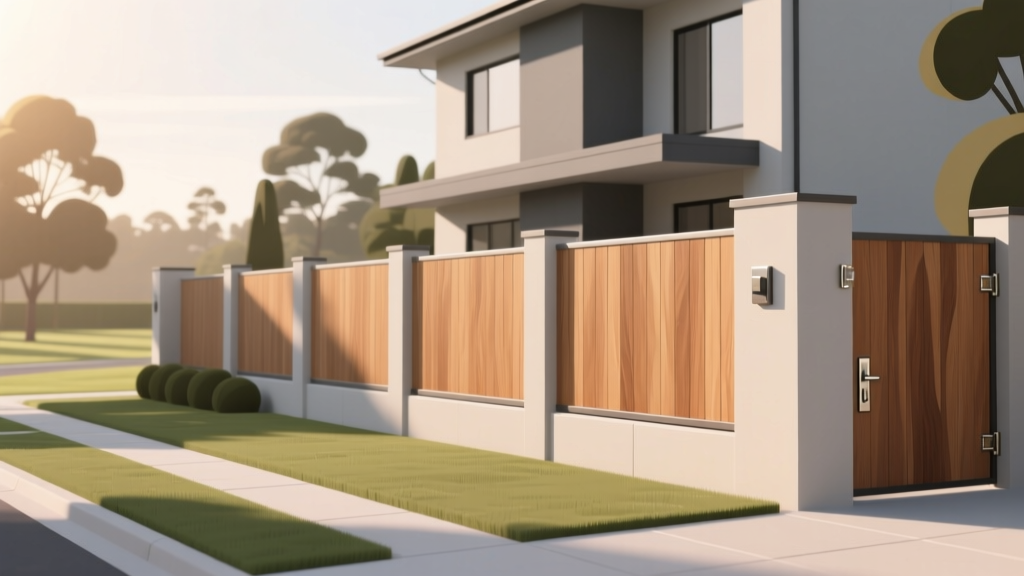
How Much Is Fencing? Full Cost Breakdown 2025
Fencing is a dynamic and strategic sport with costs that vary widely based on equipment, training, and competition level. On average, getting started in fencing costs between $300 and $800 for basic gear and initial lessons, while ongoing monthly expenses range from $100 to $300 depending on club fees and lesson frequency.
Understanding the Cost of Fencing
Fencing combines athleticism, precision, and mental agility. Whether you're considering it as a beginner or planning for competitive advancement, understanding the financial investment is essential. Costs fall into several categories: equipment, membership, coaching, and competition travel.
Initial Equipment Costs
The first major expense when starting fencing is purchasing the necessary gear. Unlike many sports, fencing requires specialized protective clothing and weapons that meet safety standards.
- Fencing jacket and underarm protector: $100–$200
- Glove: $40–$80
- Breeches (specialized pants): $70–$120
- Masks: $80–$130
- Weappon (foil, épée, or sabre): $70–$150
- Body cord and lames (for electric scoring): $50–$100
- Training shoes: $60–$100
Beginners can often rent gear from clubs for $20–$50 per month, reducing upfront costs.
Membership and Training Fees
Most fencers train at local clubs affiliated with national organizations like USA Fencing. Monthly membership fees typically range from $100 to $300, covering access to facilities, group classes, and open fencing sessions.
- Group lessons: Often included in membership
- Private lessons: $50–$100 per hour
- Beginner packages: $200–$400 for 8–10 introductory classes
- USA Fencing annual membership: $80–$140 (includes insurance and competition eligibility)
Competition Expenses
Competitive fencing adds significant costs, primarily from travel, entry fees, and event apparel.
- Tournament entry fee: $50–$100 per event
- Regional competitions: Often require overnight stays; budget $300–$600 per weekend
- National events: Travel, hotels, and multiple entries can exceed $1,500 per trip
- Team gear and uniforms: $200–$500
Detailed Cost Breakdown by Fencing Level
| Cost Category | Beginner | Intermediate | Advanced/Competitive |
|---|---|---|---|
| Initial Equipment | $300–$500 | $500–$700 | $700–$1,000 |
| Monthly Club Fee | $80–$150 | $120–$200 | $200–$350 |
| Private Lessons (bi-weekly) | $0–$100 | $100–$200 | $200–$400 |
| Annual Competition Budget | $200–$500 | $1,000–$2,500 | $3,000–$8,000 |
| Total First-Year Cost | $800–$1,500 | $2,500–$5,000 | $7,000–$12,000 |
The table illustrates how fencing costs scale dramatically with competitive involvement. Beginners enjoy relatively low entry barriers, while elite fencers face substantial annual investments, especially due to travel and high-frequency training. Most intermediate fencers spend over $3,000 yearly, with national-level athletes often exceeding $10,000 when factoring in international events.
Frequently Asked Questions About Fencing Costs
How much does it cost to start fencing?
Starting fencing typically costs $300–$800 for essential equipment and an introductory lesson package. Many clubs offer rental gear for $20–$50 per month, reducing initial spending. With a $100–$150 monthly membership, beginners can begin for under $1,000 in the first year.
Is fencing an expensive sport?
Fencing can be moderately expensive. While entry-level participation is comparable to other martial arts or gymnastics, competitive fencing becomes costly due to equipment maintenance, private coaching, and nationwide travel for tournaments. However, used gear and club scholarships can help manage expenses.
How much do fencing lessons cost per hour?
Group lessons are usually included in monthly club fees ($100–$300). Private lessons range from $50 to $100 per hour, depending on the coach’s experience and location. Elite coaches may charge $150+ per session, especially for competition preparation.
Can you fence without buying your own equipment?
Yes, most fencing clubs provide loaner gear for beginners during introductory classes. This allows new fencers to try foil, épée, or sabre before investing in their own equipment. However, owning personal gear is recommended within 3–6 months for hygiene, fit, and performance.
Why is fencing so expensive?
Fencing is expensive due to specialized, safety-certified equipment, facility maintenance, certified coaching, and frequent travel for competitions. Electric scoring systems and protective clothing require durable materials, contributing to higher prices. Additionally, small class sizes increase per-student instruction costs.
More Articles
 Where Was Badminton Invented? The True Origin Revealed
 How Heavy Is a Bowling Pin? Exact Weight Revealed
 Who Won the Super Bowl in 1988? Full Recap & Stats
 How Many Super Bowls Did Tom Brady Play In? (10 Appearances)
 Who Has the Most Home Runs in Baseball History?
 When Was Baseball Founded? Key Facts & History
 What Year Did Dan Marino Go to the Super Bowl?
 Which Team Has Most World Series Wins? Yankees Lead
 Who Has Won the Most Grand Slam Titles in Tennis?
 Cities That Have Never Hosted a Super Bowl