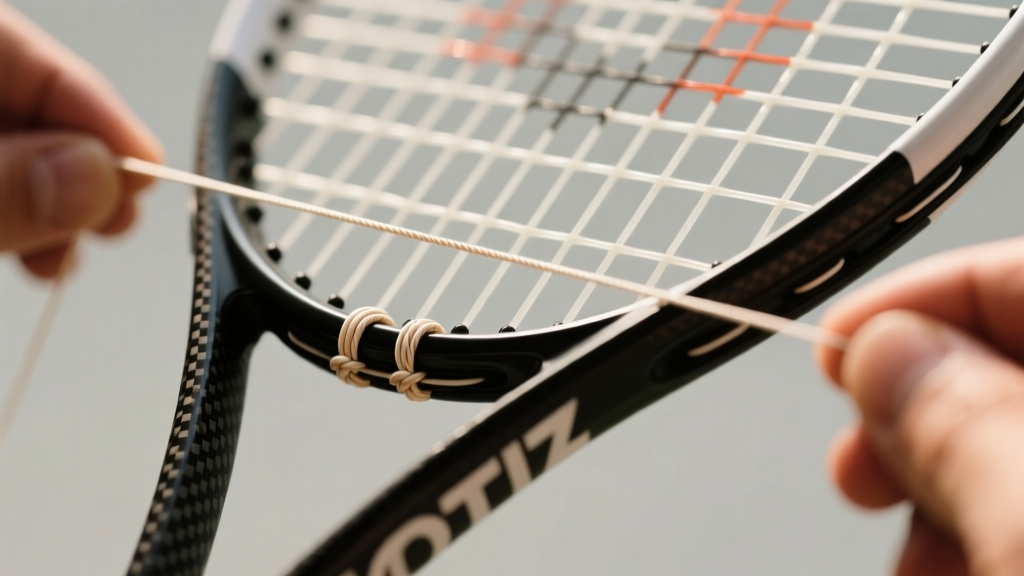
How Much Does It Cost to Restring a Tennis Racket?
Restringing a tennis racket typically costs between $40 and $100, including labor and string, with most players paying around $60–$75 depending on string type, tension, and location.
What Factors Influence Tennis Racket Restringing Costs?
The price of restringing a tennis racket isn't fixed—it varies based on several key factors. Understanding these can help you make informed decisions and get the best value for your investment in performance and equipment longevity.
Type of String
The material and brand of string significantly affect the final cost. Basic synthetic gut strings are the most affordable, while premium multifilament, natural gut, or high-performance polyester strings increase the price.
- Synthetic Gut: Durable and budget-friendly; ideal for beginners and recreational players.
- Polyester (Poly): Popular among advanced players for control; stiffer and more expensive.
- Multi-filament: Offers comfort and elasticity; mid-to-high price range.
- Natural Gut: Highest performance and comfort; most costly option, often used by professionals.
Labor and Location
Where you get your racket restrung plays a major role in pricing. Options include pro shops, local tennis clubs, retail chains, and online services.
- Local Pro Shops: Often offer personalized service and higher craftsmanship.
- Tennis Clubs: Convenient for members; may offer discounts.
- Retail Chains (e.g., Tennis Warehouse): Competitive rates with fast turnaround.
- Online Services: Can be cheaper but require shipping time and risk.
String Tension and Customization
Custom tension settings, hybrid stringing (different strings for mains and crosses), and specialized patterns can add $5–$20 to the base cost. Precision machine calibration and technician expertise justify the premium.
Detailed Cost Breakdown by String Type and Service
Beyond labor, the choice of string is the largest variable. The table below outlines average prices across U.S. providers as of 2025.
| String Type | Average Labor Cost | String Cost (per set) | Total Average Cost | Best For |
|---|---|---|---|---|
| Synthetic Gut | $25–$35 | $10–$15 | $40–$50 | Beginners, casual players |
| Polyester (Solid Core) | $30–$40 | $15–$25 | $55–$70 | Advanced players, heavy spin |
| Multi-filament | $30–$40 | $20–$30 | $60–$75 | Players seeking comfort |
| Natural Gut | $40–$50 | $30–$60 | $80–$110 | Elite players, arm sensitivity |
| Hybrid (Poly + Multi) | $35–$45 | $25–$40 | $70–$90 | Balanced power and durability |
Data shows that labor accounts for roughly 50–60% of total restringing costs, with premium strings pushing overall prices higher. Hybrid setups and natural gut represent niche markets where performance justifies expense. Recreational players can save significantly by choosing synthetic gut at mid-tier pro shops.
How Often Should You Restring Your Racket?
A common rule is to restring as many times per year as you play per week. For example, if you play twice a week, restring twice a year. However, visual wear, loss of tension, and reduced responsiveness are better indicators than frequency alone.
- Frayed or flattened strings reduce control and power.
- Even if not broken, strings lose elasticity over 3–6 months.
- Competitive players often restring every 3–4 weeks.
Can You Save Money on Racket Restringing?
Yes—with smart choices and planning. Consider these strategies:
Buy Strings in Bulk
If you play frequently or manage multiple rackets, purchasing string by the reel (typically 600+ feet) reduces per-string cost from $20 to under $10.
Learn to String Yourself
With a quality stringing machine ($200–$600), you can restring at home. After 5–10 rackets, the machine pays for itself.
Look for Promotions
Many pro shops offer seasonal discounts, loyalty programs, or package deals for multiple rackets.
Frequently Asked Questions About Tennis Racket Restringing
How much does it cost to restring a tennis racket on average?
The average cost to restring a tennis racket in the U.S. ranges from $40 to $100, with most players paying between $60 and $75. This includes labor ($25–$50) and string materials, which vary by type and quality.
How often should I restring my tennis racket?
As a general guideline, restring your racket as many times per year as you play per week. Even without breakage, strings degrade over time. Recreational players should restring every 6 months, while competitive players may do so every 1–3 months.
Is it worth getting natural gut strings?
Natural gut strings offer superior tension retention, comfort, and feel, making them ideal for players with arm injuries or those seeking maximum performance. However, they cost $80–$110 to install and are sensitive to moisture, so they're best for serious players who can justify the investment.
Can I restring my own tennis racket?
Yes, with the right tools and practice. A basic drop-weight or electronic stringing machine costs $200–$600. After a few attempts, most players achieve professional-level results, saving money over time and gaining full control over string type and tension.
Do different string tensions affect gameplay?
Absolutely. Higher tension (55+ lbs) offers more control and precision but less power and comfort. Lower tension (45–50 lbs) increases power and feel but may reduce control. Most manufacturers recommend a tension range; staying within it optimizes performance and safety.
More Articles
 Who Has More Super Bowl Wins: AFC or NFC?
 When Was Cricket Founded? Origins & History
 Where to Buy Brooks Tennis Shoes | Top Retailers 2025
 How Old Is Rafael Nadal? Age, Career & Legacy in 2025
 How Many Professional Baseball Teams Are There in 2025?
 How Much Does a Baseball Weigh? Official Weight Explained
 Who Made Cricket? Origins and Inventors Explained
 Who Invented Billiards? Origins and Evolution Explained
 What Baseball Team Did Michael Jordan Play For? Answered
 When Did Mike Tyson Start Boxing? Full Career Start Timeline