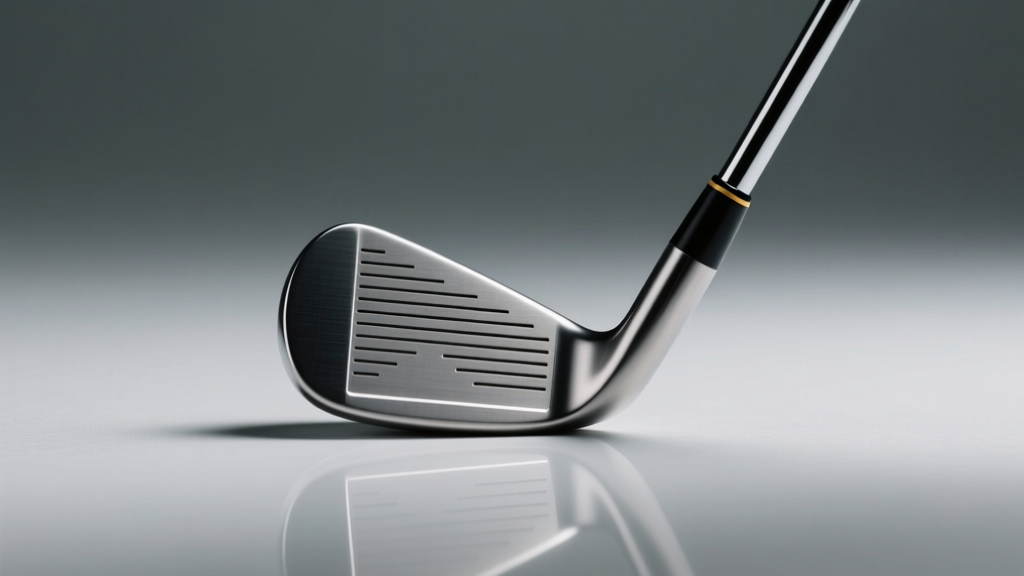
How Much Does a Golf Club Weigh? Full Breakdown
A standard golf club weighs between 250 and 400 grams, with driver heads averaging 190–210 grams, shafts 40–120 grams, and grips 40–60 grams. Total weight varies by club type, player preference, and material composition.
Understanding Golf Club Weight: Key Factors
Golf club weight significantly impacts swing speed, control, and shot consistency. The total weight of a golf club is the sum of its three main components: the clubhead, shaft, and grip. Each part contributes differently depending on the club type and player’s physical characteristics.
Components That Influence Club Weight
- Clubhead: Heaviest part; irons are heavier than woods due to denser materials.
- Shaft: Material (steel vs. graphite) greatly affects overall weight and feel.
- Grip: Minor weight contribution but influences balance and comfort.
- Length: Longer clubs typically weigh more due to extended shafts.
- Customization: Adjustments like lead tape or counterbalancing change total weight.
How Different Clubs Compare in Weight
Not all golf clubs weigh the same. Drivers, irons, wedges, and putters each have distinct weight profiles tailored to their function on the course.
| Club Type | Head Weight (g) | Shaft Weight (g) | Grip Weight (g) | Total Weight (g) |
|---|---|---|---|---|
| Driver | 195 | 50 | 50 | 300 |
| 3-Wood | 200 | 70 | 50 | 320 |
| Iron (7-iron) | 265 | 100 | 50 | 415 |
| Wedge (PW) | 280 | 110 | 50 | 440 |
| Putter | 350 | 100 | 60 | 510 |
The data shows that while drivers are designed for maximum swing speed and distance, they use lightweight shafts to offset head mass. In contrast, irons and putters prioritize control and feedback, resulting in higher total weights. Graphite shafts reduce weight in woods, whereas steel shafts in irons add stability.
Impact of Materials on Club Weight
Material choice directly influences performance and feel. Steel shafts typically weigh 100–130 grams, offering precision but reducing swing speed. Graphite shafts range from 40–90 grams, ideal for players seeking faster swings and reduced fatigue.
Common Material Comparisons
- Steel Shafts: Heavier, durable, preferred by advanced players.
- Graphite Shafts: Lighter, reduces vibration, popular with seniors and women.
- Titanium Heads (Drivers): Lightweight yet strong, allows redistribution of mass for better launch.
- Stainless Steel (Irons): Denser, increases head weight for consistent contact.
Player-Specific Considerations
The ideal club weight depends on individual strength, swing speed, and playing style. Players with slower swing speeds benefit from lighter clubs to increase velocity, while stronger players may prefer heavier clubs for better control.
Who Should Use Lighter Clubs?
- Senior golfers
- Female players
- Beginners building strength
- Players recovering from injury
Who Benefits from Heavier Clubs?
- Advanced players seeking feedback
- Those with fast swing speeds
- Players needing improved shot control
- Individuals using counterbalanced setups
Frequently Asked Questions About Golf Club Weight
How much does a standard golf club weigh?
A standard golf club weighs between 250 and 400 grams for woods and up to 510 grams for putters. A typical 7-iron weighs around 415 grams, including head, shaft, and grip.
Does the shaft material affect club weight significantly?
Yes. Graphite shafts can be 40–60% lighter than steel shafts. For example, a graphite shaft may weigh 50 grams versus 110 grams for steel, significantly altering total club weight and swing dynamics.
Why do putters weigh more than drivers?
Putters have heavier heads (around 350g) to enhance stability and control during short strokes. Drivers prioritize swing speed, so they use lighter heads and longer, lighter shafts to optimize momentum.
Can I adjust my club’s weight?
Yes. Clubmakers use lead tape, weighted inserts, or counterbalancing in the grip end to fine-tune weight distribution. This customization helps match clubs to a player’s swing tempo and preference.
What is swing weight in golf?
Sving weight measures how heavy a club feels during the swing, rated from A0 to G10. It differs from total weight and reflects balance between head and grip. Proper swing weight improves consistency and comfort.
More Articles
 How Many Super Bowls Has Aaron Rodgers Played In?
 How Many Golf Courses Are in Florida? (2025 Data)
 Super Bowl Start Time in Central Time 2025
 Olympic Swimming Pool Dimensions: FINA Official Standards and Specifications
 How Many Points to Win a Set in Volleyball?
 Where Will the Super Bowl Be in 2026?
 Where Does Karate Originate? History & Origins Explained
 How Long to Get Black Belt in Judo: Real Timeline
 De Minaur Tennis: Career, Stats & 2025 Highlights
 How Tennis Scoring Works: Points, Games, Sets Explained