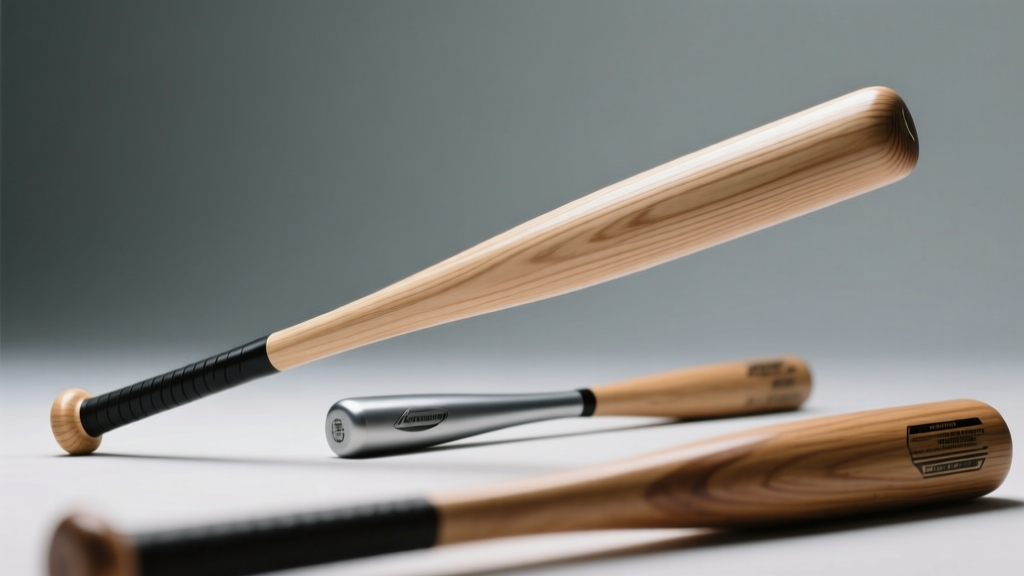
How Much Does a Baseball Bat Weigh? By Level & Type
Most adult baseball bats weigh between 28 and 34 ounces (790 to 960 grams), with the exact weight depending on the player's size, strength, and league regulations. Youth bats typically range from 14 to 27 ounces, varying by age and league standards.
Understanding Baseball Bat Weight: Key Factors
The weight of a baseball bat plays a crucial role in swing speed, control, and hitting power. Choosing the right bat weight can significantly impact a player’s performance at the plate. Several factors influence bat weight, including material, length, drop weight, and intended use.
Why Bat Weight Matters
- Swing Speed: Lighter bats allow faster swings, improving reaction time to pitches.
- Power Generation: Heavier bats can produce more force on contact, but only if the player maintains control.
- Player Comfort: A properly weighted bat reduces fatigue and improves consistency over long games or seasons.
- League Compliance: Different leagues have specific rules regarding bat weight and dimensions.
Types of Baseball Bats and Their Weight Ranges
Bat weight varies significantly based on the category—youth, high school, college, or professional levels. Materials also affect overall mass and balance.
Youth Baseball Bats
Designed for players under 14, youth bats are lighter to accommodate developing strength. Common materials include aluminum and composite.
- Average weight: 14–27 oz
- Drop weight (length minus weight): Typically -10 to -13
- Lengths: 26" to 30"
High School and College Bats
Governed by NFHS and NCAA rules, these bats must meet BBCOR (Batted Ball Coefficient of Restitution) standards.
- Average weight: 28–32 oz
- Drop weight: -3 (e.g., 32" bat weighs 29 oz)
- Minimum weight: 29 oz for BBCOR-certified bats
Professional Baseball Bats
MLB players use wooden bats made from ash, maple, or birch. There is no maximum weight limit, but practicality dictates typical usage.
- Average weight: 31–34 oz
- Common lengths: 33" to 34.5"
- No drop weight restrictions
Detailed Bat Weight Comparison by League
| League/Level | Average Length (in) | Average Weight (oz) | Material | Drop Weight | Regulation Standard |
|---|---|---|---|---|---|
| Youth (Ages 6–12) | 26–30 | 14–27 | Aluminum, Composite | -10 to -13 | USA Baseball |
| Junior High | 30–32 | 25–28 | Aluminum, Alloy | -10 | USA Baseball |
| High School | 31–34 | 28–31 | Alloy, Composite (BBCOR) | -3 | NFHS, BBCOR |
| College | 32–34 | 29–33 | Alloy, Composite (BBCOR) | -3 | NCAA, BBCOR |
| Professional (MLB) | 33–34.5 | 31–34 | Maple, Ash, Birch | Not applicable | MLB Rules |
The data shows a clear progression in bat weight as players advance through competitive levels. BBCOR regulation enforces a minimum weight of 29 oz for high school and college bats, standardizing performance across metal bats. In contrast, MLB allows customization, leading to individualized choices based on player preference.
How to Choose the Right Bat Weight
Selecting the correct bat weight involves balancing swing mechanics, strength, and league rules. Here are practical tips:
- Strength Test: Hold the bat straight out horizontally for 20 seconds. If you struggle, it may be too heavy.
- Swing Efficiency: A good bat allows full, quick swings without compromising form.
- Age and Level: Follow league-specific guidelines to ensure compliance.
- Personal Preference: Some players favor lighter bats for contact hitting; others prefer heavier ones for power.
Frequently Asked Questions About Baseball Bat Weight
How much does a standard baseball bat weigh?
A standard adult baseball bat typically weighs between 28 and 34 ounces. BBCOR bats used in high school and college usually start at 29 ounces, while MLB players often use bats weighing 31 to 34 ounces depending on personal preference.
What is the lightest legal baseball bat?
The lightest legal bat depends on the league. For BBCOR-certified play (high school and college), the minimum weight is 29 ounces. In youth leagues, bats can be as light as 14 ounces under USA Baseball standards.
Do heavier bats hit the ball farther?
Heavier bats can generate more momentum and potentially hit the ball farther—but only if the player can maintain swing speed. If a bat is too heavy, it slows the swing and reduces exit velocity, counteracting any benefit.
How do I know if my bat is too heavy?
If you feel fatigued quickly, struggle to keep your hands inside the ball, or notice a drop in bat speed, your bat may be too heavy. A simple test: hold the bat extended in front of you for 20 seconds. If your arm drops, consider a lighter option.
What is bat drop and how does it affect weight?
Bat drop is the difference between the bat’s length (in inches) and its weight (in ounces). For example, a 32-inch bat weighing 29 ounces has a drop of -3. Lower drop values mean heavier bats. BBCOR bats are limited to a -3 drop, while youth bats can have drops up to -13.
More Articles
 Who Won Super Bowl 1992? Full Breakdown & Highlights
 How Many Rounds in Olympic Boxing Match?
 Where to Watch Cotton Bowl 2025 Live on TV & Stream
 What Network Will the Super Bowl Be On in 2025?
 How Are Baseballs Made? Inside MLB's Manufacturing Process
 Which Team Has Most Super Bowl Wins? (2025 Stats)
 How Many Super Bowls Have the Browns Won? (Answer)
 Where Can I Sell My Golf Clubs? Top 7 Options in 2025
 When Did the Super Bowl End? Final Time & Details
 How Many Super Bowls Did Kurt Warner Win? (Answer)