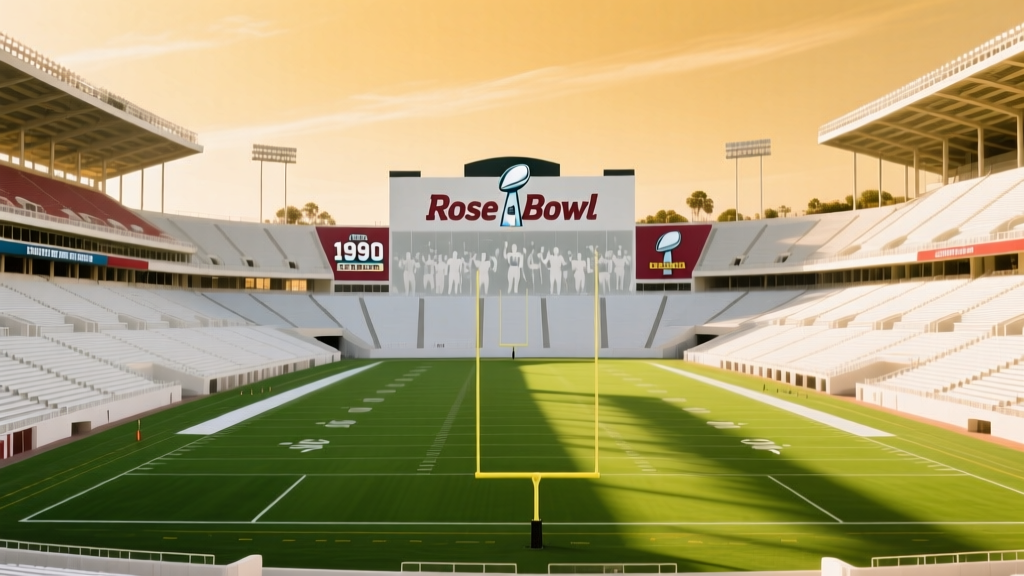
How Many Seats at the Rose Bowl? Capacity in 2025
The Rose Bowl Stadium has a seating capacity of 91,136, making it one of the largest stadiums in the United States and the largest stadium in the Pac-12 conference. Located in Pasadena, California, it is best known for hosting the annual Rose Bowl Game, NCAA football championships, international soccer matches, and major concerts.
Overview of the Rose Bowl Stadium
The Rose Bowl, situated in Pasadena, California, is an iconic outdoor athletic stadium primarily used for American football. Opened in 1922, it has undergone several renovations to maintain safety, accessibility, and modern fan experience standards while preserving its historic status. The stadium serves as the home field for the UCLA Bruins football team and hosts numerous high-profile events each year.
Key Features of the Rose Bowl
- Seating capacity: 91,136 (current official figure)
- Opened: October 6, 1922
- Location: 1001 Rose Bowl Drive, Pasadena, CA 91103
- Surface: FieldTurf (installed in 2011)
- Owner: City of Pasadena
- Operator: Rose Bowl Operating Company (RBOC)
- Primary Tenant: UCLA Football
Historical Seating Capacity Changes
The Rose Bowl's seating capacity has evolved significantly over the decades due to structural upgrades, safety regulations, and accessibility improvements. Originally designed to hold around 57,000 spectators, expansions in the 1920s through 1950s increased capacity beyond 100,000. However, modernization efforts reduced total seats to meet current egress, ADA compliance, and premium seating demands.
| Year | Seating Capacity | Major Change |
|---|---|---|
| 1922 | 57,000 | Original construction completed |
| 1928 | 76,000 | Enclosure of horseshoe design |
| 1946 | 90,000 | Post-WWII expansion |
| 1956 | 101,000+ | Addition of upper deck on south end |
| 1998 | 92,542 | Renovation for FIFA World Cup and safety updates |
| 2011 | 91,136 | Installation of FieldTurf and seat reconfiguration |
| 2023 | 91,136 | No significant changes; ongoing maintenance |
The data shows that peak capacity exceeded 101,000 in the mid-20th century, but recent renovations prioritize comfort, accessibility, and safety over maximum occupancy. Since 2011, the official capacity has remained stable at 91,136, reflecting a balance between historic preservation and modern stadium standards.
Major Events Hosted at the Rose Bowl
The stadium is renowned not only for its size but also for its role in hosting premier sporting and cultural events. Its status as a National Historic Landmark adds to its prestige.
Annual and Recurring Events
- Rose Bowl Game: One of the oldest and most prestigious college football bowl games, played annually on January 1 (or January 2 if Jan 1 falls on Sunday).
- NCAA Men’s College Cup: Hosted multiple times, featuring semifinals and finals of men's collegiate soccer.
- FIFA Competitions: Hosted matches during the 1994 FIFA World Cup (including the final) and the 1999 FIFA Women’s World Cup (final).
- Concerts: Major artists like U2, Beyoncé, and Taylor Swift have performed here, with temporary seating adjustments affecting total capacity.
- UCLA Home Games: The Bruins play their regular season college football games at the Rose Bowl, drawing tens of thousands weekly.
Factors Affecting Current Seating Capacity
Several factors contribute to the current official capacity being lower than historical peaks:
- ADA Compliance: Wheelchair-accessible seating and companion seats require more space per attendee.
- Premium Seating: Loge boxes, club seats, and suites reduce general admission availability.
- Safety Regulations: Updated fire codes and evacuation requirements limit standing room and overcrowding.
- Turf & Field Maintenance: Installation of FieldTurf in 2011 allowed better field protection but required slight reconfiguration.
- Media and Broadcast Needs: Expanded press boxes and camera platforms occupy former seating areas.
Frequently Asked Questions About the Rose Bowl Seating
How many seats are at the Rose Bowl Stadium?
The Rose Bowl Stadium currently has a seating capacity of 91,136. This number reflects post-2011 renovations and remains the official figure as of 2025.
Has the Rose Bowl ever held over 100,000 people?
Yes, the Rose Bowl reached a peak capacity of over 101,000 in the 1950s and 1960s after the addition of an upper deck. It hosted crowds exceeding 100,000 for several Rose Bowl Games and other major events before modern safety and accessibility upgrades reduced seating.
Is the Rose Bowl the largest stadium in college football?
No, as of 2025, the Rose Bowl ranks among the top 15 largest college football stadiums in the U.S. Larger stadiums include Michigan Stadium (over 107,000), Beaver Stadium (Penn State), and Ohio Stadium. However, the Rose Bowl is the largest in the Pac-12 conference.
Why did the Rose Bowl reduce its seating capacity?
The reduction was due to renovations aimed at improving fan safety, adding ADA-compliant seating, expanding media facilities, and introducing premium seating options like loge boxes and club seats, which take up more space per guest compared to bleachers.
Does seating capacity change for concerts or soccer games?
Yes, for concerts and certain soccer matches, temporary stages or expanded pitch areas may reduce available seating. Conversely, center-field stage setups can sometimes allow for additional floor seating, altering total attendance figures slightly depending on event configuration.
More Articles
 Who Won Super Bowl 1977? Raiders Beat Vikings 32-14
 Which Golf Ball Is Right for Me? Find Your Perfect Match
 When Was Baseball Founded? Key Facts & History
 Who Is Boxing on ESPN Tonight? Full Fight Card & Start Time
 Who Won Super Bowl 2020? Chiefs Victory & Full Recap
 How Long Are Rugby 7s Games? Full Breakdown
 US Open 2026 Winners: Sinner & Sabalenka
 Badminton For Full-Body Fitness: Science-Backed Benefits, Training Protocols, and Equipment Standards
 Where Is Quail Hollow Golf Course Located?
 How Far Is Olympic Archery? 70 Meters Explained