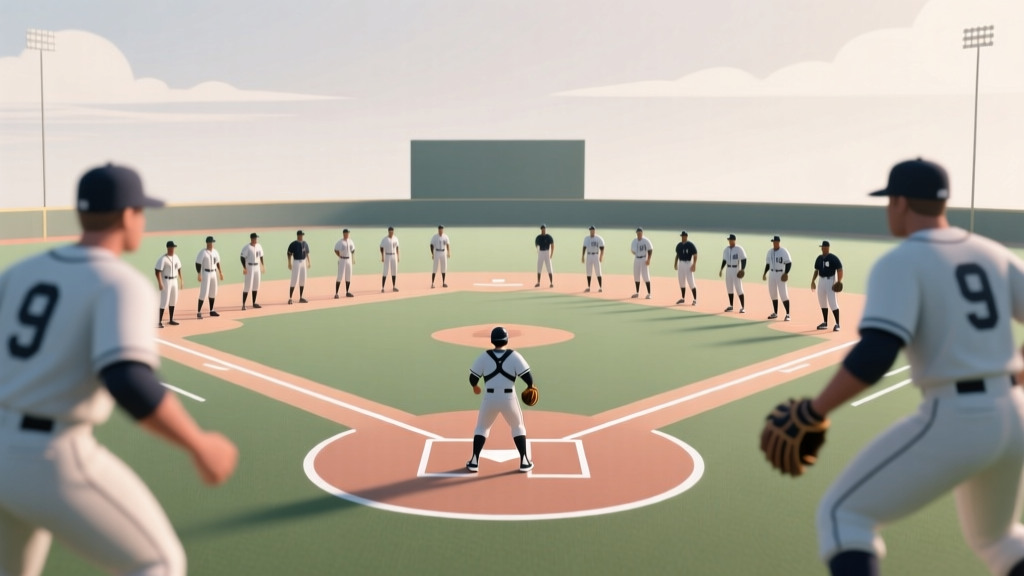
How Many Players in a Baseball Game? Full Roster Breakdown
In a standard baseball game, there are 9 players on the field for each team at any given time. This includes the pitcher, catcher, first baseman, second baseman, third baseman, shortstop, and three outfielders. A full roster typically consists of 26 active players during the regular season (as of 2025), with additional players available on the expanded roster in September or under special circumstances.
Understanding Baseball Team Composition
Baseball is a team sport played between two teams, each taking turns to bat and field. The number of players actively participating on the field at once is strictly defined by Major League Baseball (MLB) rules.
On-Field Players per Team
- Pitcher
- Catcher
- First Baseman
- Second Baseman
- Third Baseman
- Shortstop
- Left Fielder
- Center Fielder
- Right Fielder
These nine positions make up the traditional defensive lineup. Each player has a specific role in fielding, throwing, and supporting baserunners or preventing them from advancing.
Active Roster Size in Professional Baseball
While only nine players are on the field, MLB teams carry larger rosters to manage fatigue, injuries, and strategic matchups. As of the 2025 season:
- Regular Season (April–August): 26 active players
- September Expansion: Up to 28 players
- Postseason Roster: 26 players (must be submitted before playoffs)
- Designated Hitter (DH): Included in both leagues since 2022
| Season | Regular Season Roster Size | September Roster Size | Postseason Roster Size | Notes |
|---|---|---|---|---|
| 2020 | 26 | 28 | 28 | Limited season due to pandemic |
| 2021 | 26 | 28 | 26 | Standardized 26-man roster |
| 2022 | 26 | 28 | 26 | DH adopted in National League |
| 2023 | 26 | 28 | 26 | No major changes |
| 2024 | 26 | 28 | 26 | Expanded injured list options |
| 2025 | 26 | 28 | 26 | Consistent roster rules |
The data shows that MLB has maintained a consistent 26-player active roster since 2021, allowing flexibility during the final month of the season. The postseason limit ensures competitive balance and strategic depth without overloading benches.
Variations Across Leagues and Levels
The number of players can vary depending on the league and level of play:
Youth and Amateur Baseball
- Little League: Typically 9–12 players per team (ages 9–12)
- High School: 9 on-field players, roster sizes up to 20–25
- College (NCAA): Maximum 35 active players, 9 on the field
International and Minor Leagues
- Nippon Professional Baseball (Japan): 29 active players, 9 on field
- KBO League (Korea): 25 active players
- Minor League Baseball: Varies by level (A to AAA), generally 25–30 players
Strategic Use of Roster Spots
Modern baseball relies heavily on specialization. Teams use their roster spots strategically:
- Bullpen Arms: 7–8 relief pitchers including closers and setup men
- Starting Rotation: 5 starting pitchers (some teams use 6-man rotations occasionally)
- Position Player Depth: Backup infielders and outfielders for defense or pinch-hitting
- Two-Way Players: Rare but growing, like Shohei Ohtani, who serves as both pitcher and hitter
Frequently Asked Questions About Baseball Players
How many players are on a baseball team during a game?
Each team has 9 players on the field during gameplay. However, the active roster usually includes 26 players, allowing for substitutions, pinch hitters, and relief pitchers.
Why do baseball teams have more than 9 players?
Teams need extra players to handle pitching changes, injuries, defensive substitutions, and pinch hitters. Specialization in modern baseball requires deeper rosters to maintain performance throughout a long 162-game season.
Can a baseball team play with fewer than 9 players?
Yes, though rare. If a team runs out of eligible substitutes due to injuries or ejections, they may continue with fewer than 9 players, leaving positions empty. This often leads to automatic outs or defensive vulnerabilities.
What is the designated hitter rule and how does it affect player count?
The designated hitter (DH) allows a player to bat in place of the pitcher. Since its universal adoption in 2022, both American and National League teams use a DH, increasing offensive specialization and affecting roster construction by reducing the need for pitchers to bat.
How many pitchers are typically on a baseball roster?
A typical 26-man MLB roster includes about 12–13 pitchers: 5 starting pitchers and 7–8 relief pitchers. Bullpen usage has increased significantly over the past decade, making pitcher depth essential.
More Articles
 How Many Topgolf Locations Are There in 2025?
 Who Gets Super Bowl Rings? Full Breakdown
 Who Won the Last Ten Super Bowls? Complete List & Stats
 When Did MMA Start? The 1993 UFC Origin Explained
 How Long Is a Game of Rugby 7s? Full Breakdown
 Who Invented Ping Pong Table Tennis?
 Super Bowl LVIII Location: Where Was It Held?
 When Is Baseball All-Star Break? 2025 Dates & Events
 How Much Does a Tennis Court Cost to Build?
 Don Kessinger Baseball Career and Legacy