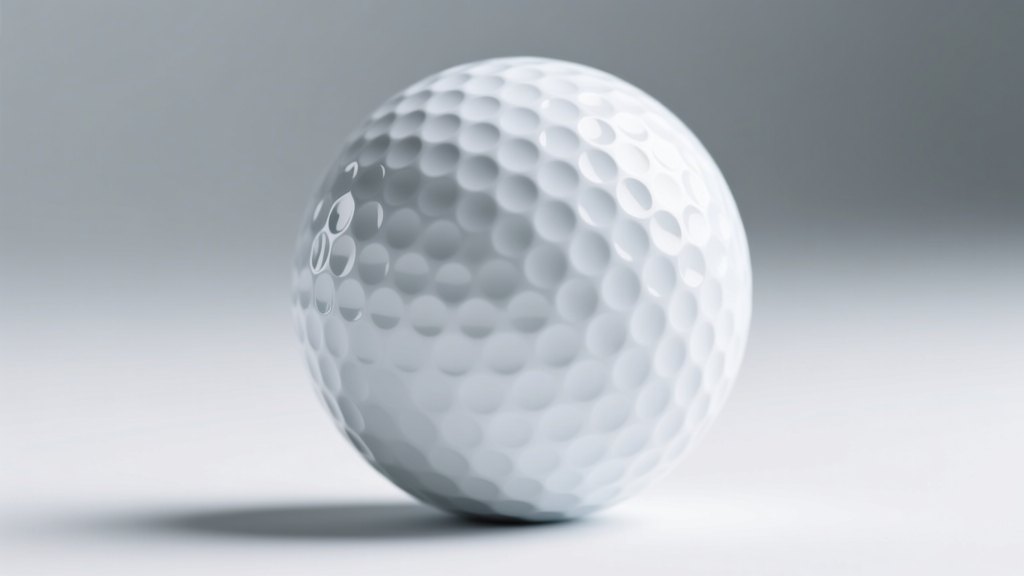
How Many Indentations Are on a Golf Ball? (Exact Numbers)
A standard golf ball typically has between 300 and 500 dimples, with most modern balls featuring around 336 to 392 indentations. The exact number varies by brand, model, and design purpose.
Understanding Golf Ball Dimples
Golf ball dimples—also referred to as indentations—are small depressions on the surface of a golf ball that play a crucial role in its aerodynamic performance. These indentations reduce drag and increase lift, allowing the ball to travel farther and more stably through the air compared to a smooth ball.
Why Are Dimples Important?
- Improve aerodynamics by managing airflow around the ball
- Reduce turbulent wake, decreasing drag
- Increase lift, enhancing flight stability and distance
- Allow manufacturers to fine-tune ball behavior for different player types
How Many Dimples Do Golf Balls Have?
The number of dimples on a golf ball is not standardized across the industry. However, most fall within a predictable range based on engineering and testing results aimed at optimizing flight characteristics.
| Golf Ball Model | Number of Dimples | Dimple Pattern Type | Manufacturer |
|---|---|---|---|
| Titleist Pro V1 | 388 | Icosahedral | Acushnet (Titleist) |
| Titleist Pro V1x | 328 | Octahedral | Acushnet (Titleist) |
| Callaway Chrome Soft | 332 | Spherically Tiled Hexagonal | Callaway |
| Bridgestone Tour B X | 344 | Delta Wing Pattern | Bridgestone |
| Srixon Z-Star | 336 | FastLayer Core + Spin Skin | Srixon |
| Pinnacle Rush | 324 | Paradigm Flex | Hambrro Sports |
The data shows that high-performance golf balls from leading brands use between 324 and 388 dimples. Titleist's Pro V1 uses a higher count (388) with an icosahedral symmetry for consistent flight, while the Pro V1x uses fewer (328) with a different pattern to alter spin and trajectory. This variation demonstrates how dimple count and arrangement are engineered for specific performance goals.
Dimple Design and Aerodynamics
Types of Dimple Patterns
Manufacturers use advanced geometric layouts to evenly distribute dimples and ensure stable flight regardless of orientation during launch.
- Icosahedral: Based on a 20-sided polyhedron, offers uniform coverage (e.g., Titleist Pro V1)
- Octahedral: 8-axis symmetry, often used for lower-spin configurations
- Hexagonal Tiling: Maximizes surface coverage with interlocking hexagons and pentagons
- Asymmetrical or Proprietary: Custom designs like Bridgestone’s Delta Wing for wind stability
Factors Influencing Dimple Count
- Ball Diameter: Standard diameter is 1.68 inches (42.67 mm), limiting total surface area
- Dimple Depth: Typically ranges from 0.008 to 0.014 inches, affecting turbulence
- Dimple Shape: Circular, teardrop, or hybrid shapes influence airflow separation
- Regulatory Standards: USGA and R&A permit any symmetrical design but require consistent performance
Frequently Asked Questions About Golf Ball Dimples
How many indentations are on a standard golf ball?
Most standard golf balls have between 300 and 500 dimples, with common models ranging from 324 to 392. For example, the Titleist Pro V1 has 388 dimples, while the Callaway Chrome Soft features 332.
Do more dimples mean better performance?
Not necessarily. Performance depends on dimple count, depth, shape, and pattern symmetry. More dimples don’t guarantee longer flight—optimal aerodynamics result from balanced design tailored to player needs.
Can the number of dimples affect driving distance?
Yes. Dimple design influences lift and drag coefficients. A well-engineered dimple pattern can increase carry distance by up to 30 yards compared to a poorly designed one, even if the count is similar.
Are all golf ball dimples the same size?
No. Most high-end golf balls use variable dimple sizes—known as multi-depth or multi-diameter patterns—to optimize performance across different swing speeds and launch angles.
What happens if a golf ball loses a dimple?
Losing a dimple can disrupt airflow symmetry, causing slight deviations in flight path and reduced consistency. While one missing dimple won’t ruin performance, multiple damages degrade aerodynamics significantly.
Conclusion
The number of indentations on a golf ball typically ranges from 300 to 500, with most premium models averaging between 336 and 388. These dimples are not arbitrary—they are precision-engineered to enhance lift, reduce drag, and stabilize flight. Brands tailor dimple count, depth, and layout to suit various playing styles and conditions, making this small detail a cornerstone of golf ball technology.
More Articles
 What Does K Stand for in Baseball? Explained
 What Time Is the Super Bowl on TV in 2025?
 Basketball Traveling Rules Explained: NBA, FIBA, and NCAA Violation Guide
 Who Has Most Grand Slam Titles in Tennis History?
 Was Jason Momoa a Wrestler? Facts & Career Details
 How Many People Play Volleyball Worldwide?
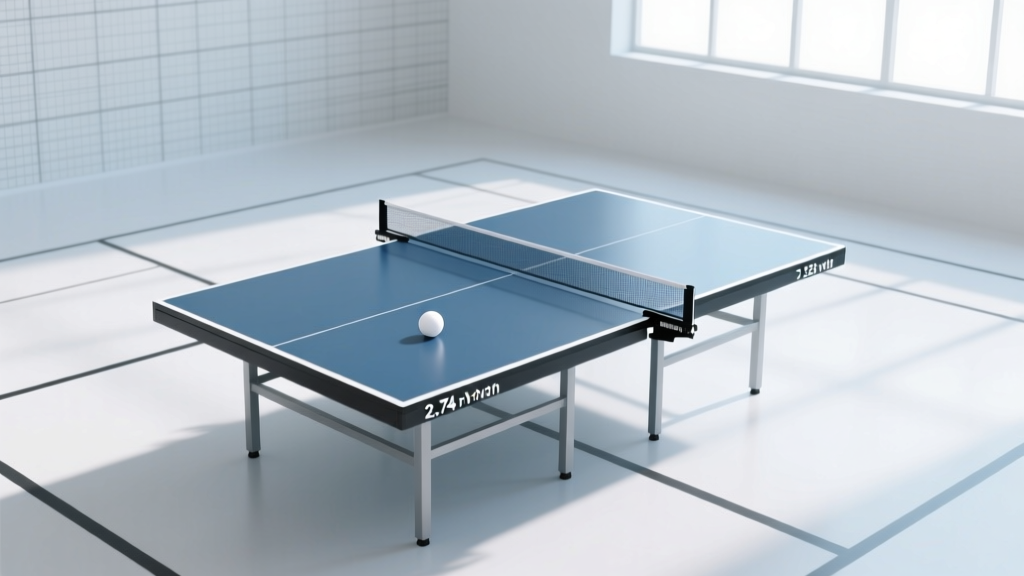 Table Tennis Table Size: Official Dimensions Explained
 How Long Do Tennis Games Last? Match Duration Explained
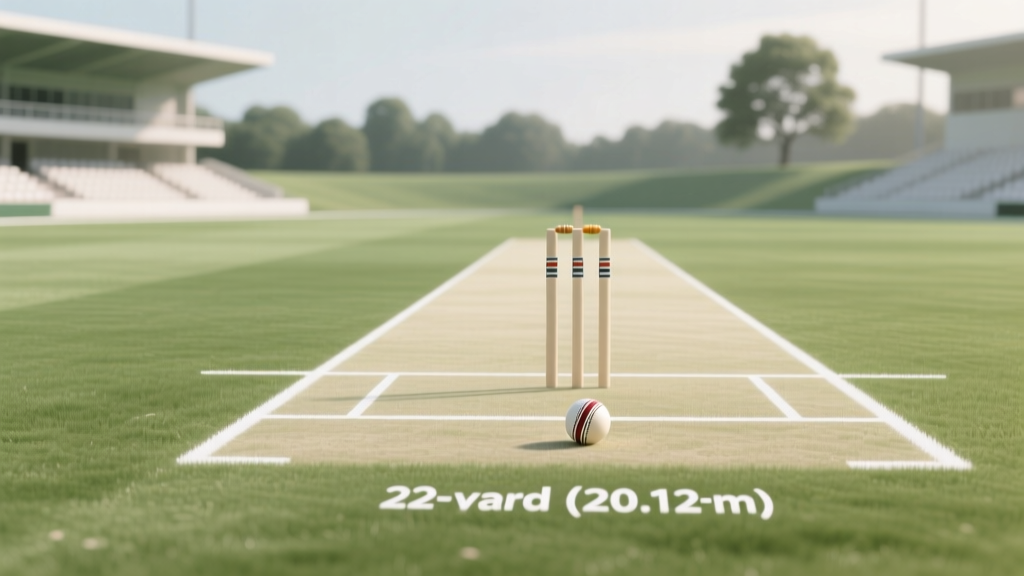 How Long Is a Cricket Pitch? Exact Length Explained
 Eli Manning Super Bowls: 2 Championships