How Many Golf Courses Are There in the World?
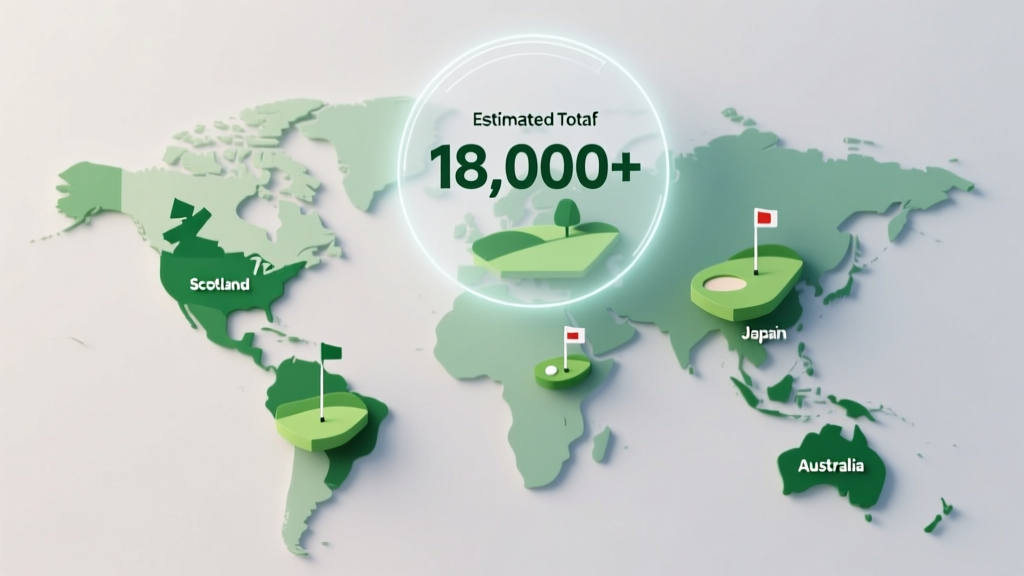
There are approximately 34,000 golf courses in the world as of 2025, spread across more than 140 countries, with the majority located in North America, followed by Europe and Asia.
Global Golf Course Overview
Golf has evolved into a truly global sport, with over 34,000 courses worldwide offering diverse playing experiences from seaside links to desert layouts. The United States alone accounts for nearly half of all courses, but international growth—especially in Asia and emerging markets—is reshaping the sport's landscape.
Key Regions with the Most Golf Courses
- North America: Home to the largest concentration of golf facilities, particularly in the U.S. and Canada.
- Europe: Strong tradition in the UK, Germany, France, and Scandinavia, with steady course numbers.
- Asia: Rapid expansion in China, Japan, and South Korea, despite recent regulatory constraints in some countries.
- Oceania: Australia leads the region with a high per-capita ratio of courses.
- Rest of World: Limited presence in Africa and South America, though luxury resort developments are increasing access.
Growth Trends in Golf Infrastructure
The number of golf courses peaked around 2010–2015, followed by a slight decline due to economic pressures and urban development. However, sustainability initiatives and public-access projects have revived interest in building affordable, eco-friendly courses.
Factors Influencing New Golf Course Development
- Urbanization reducing available land in developed nations
- Rising construction and maintenance costs
- Increased focus on short-format and par-3 courses to attract beginners
- Government support in tourism-driven economies
- Integration of golf with real estate and wellness resorts
| Country | Number of Golf Courses (2025) | Change Since 2020 | Courses per Million People |
|---|---|---|---|
| United States | 15,300 | -2% | 4,600 |
| Japan | 2,100 | -4% | 1,650 |
| Canada | 2,300 | -1% | 6,000 |
| China | 850 | +6% | 600 |
| United Kingdom | 1,850 | -1% | 2,800 |
| Germany | 750 | +2% | 900 |
| Australia | 1,500 | +1% | 5,800 |
| South Korea | 550 | +3% | 1,050 |
| France | 600 | +2% | 900 |
| Thailand | 280 | +5% | 400 |
The data shows that while traditional golf powerhouses like the U.S. and Japan are seeing modest declines, countries such as China and Thailand are experiencing growth driven by tourism and middle-class adoption. Germany and France show stability, indicating strong grassroots programs. Australia maintains one of the highest densities of courses per capita, reflecting deep cultural integration of the sport.
Types of Golf Courses Worldwide
Golf courses vary significantly by design, accessibility, and purpose. Understanding these categories helps explain their distribution and appeal.
By Design and Setting
- Links Courses: Coastal dunes with natural terrain; primarily found in the UK and Ireland.
- Parkland Courses: Tree-lined fairways with manicured landscaping; common in North America and Europe.
- Desert Courses: Built in arid regions like Arizona or Dubai, requiring advanced irrigation.
- Urban Courses: Compact layouts integrated into city parks, promoting accessibility.
By Accessibility
- Private Clubs: Membership-only facilities offering premium services.
- Semi-Private: Open to public with priority for members.
- Public Access: Fully open to all players, often municipally owned.
- Resort Courses: Attached to hotels and vacation destinations.
Challenges Facing Global Golf Infrastructure
Despite its popularity, golf faces hurdles in maintaining and expanding its course network.
- Environmental concerns over water usage and pesticide application
- High operational costs limiting profitability
- Land use conflicts in densely populated areas
- Aging infrastructure in established markets
- Lack of diversity and inclusivity deterring new demographics
In response, many operators are adopting sustainable practices, converting underused 18-hole courses into shorter formats, and partnering with municipalities to increase youth engagement.
Frequently Asked Questions About Golf Courses Worldwide
How many golf courses are there in the United States?
The United States has approximately 15,300 golf courses as of 2025, making it the country with the most golf facilities globally. This includes a mix of private, public, and municipal courses.
Which country has the most golf courses per capita?
Canada has one of the highest numbers of golf courses per million people at around 6,000, closely followed by Australia and the United States, indicating strong national engagement with the sport.
Is the number of golf courses increasing or decreasing globally?
Globally, the number of golf courses is growing slightly, driven by expansion in Asia and resort development. However, mature markets like the U.S. and Japan are seeing minor declines due to closures exceeding new builds.
What is the most expensive golf course to join in the world?
Shadow Creek Golf Course in Las Vegas is among the most exclusive, with initiation fees estimated over $300,000. Other elite clubs like Augusta National and Cypress Point maintain invitation-only policies with undisclosed but extremely high associated costs.
Are there golf courses in non-traditional countries?
Yes, golf is expanding into non-traditional regions including the UAE (e.g., Emirates Golf Club), South Africa (Gary Player Country Club), and even Nigeria and Peru, where expatriate demand and tourism drive development.
More Articles
 Which NFL Team Has Most Super Bowl Wins? (2025)
 Did the Chicago Bears Ever Win a Super Bowl?
 How Much Do Baseballs Weigh? Official Weight by League
 How Many Times Has Patrick Mahomes Won the Super Bowl?
 When Was Baseball Founded? Key Facts & History
 Who Won Super Bowl 2005? Patriots Beat Eagles 24-21
 Can Am Classic Volleyball 2025: Dates, Teams, Tickets
 When Is Super Bowl 2026? Date, Location, and Details
 Where Are PING Golf Clubs Manufactured? | Made in USA
 When Was Super Bowl I Played? Key Facts & History