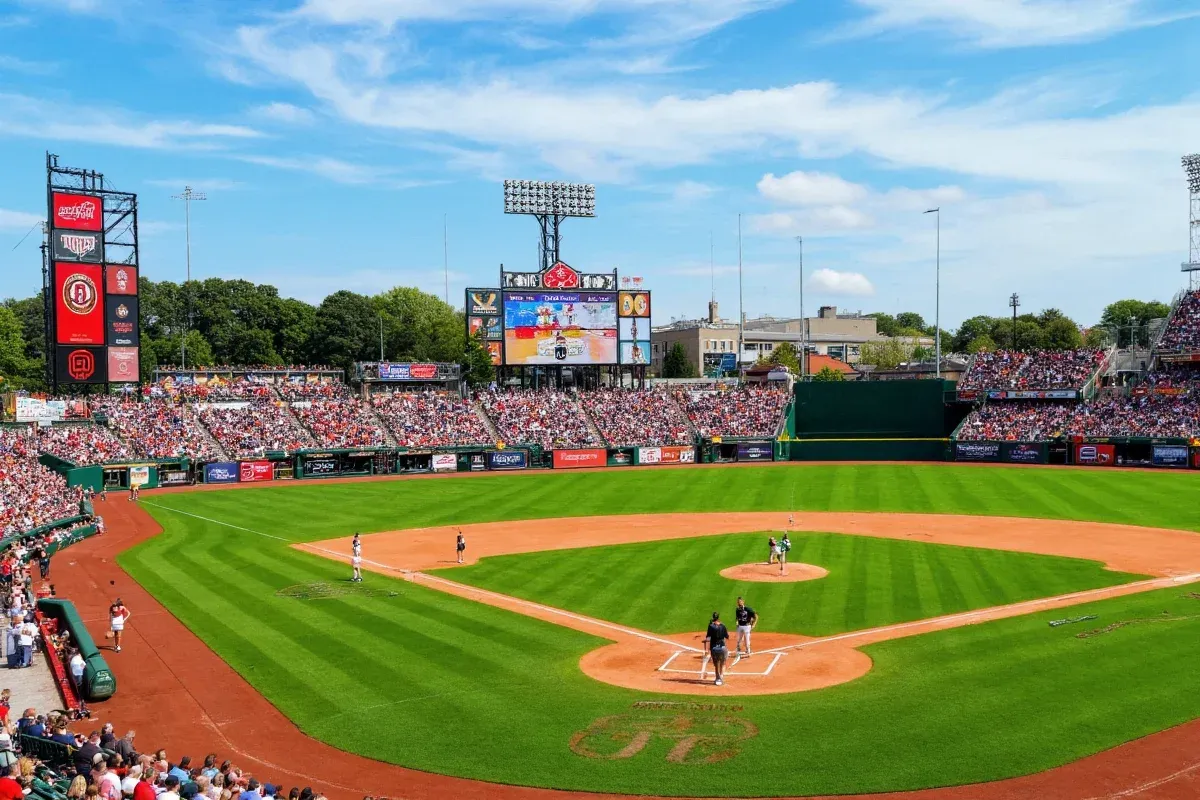
College Baseball Game Length: Average Duration (2026)
A college baseball game typically lasts around 2.5 to 3 hours, though duration can vary based on division, conference rules, and whether extra innings are played. Unlike professional games, NCAA baseball games may end earlier under mercy rules, and pitch clocks introduced in recent years have helped shorten average game times.
\n\nUnderstanding the Length of a College Baseball Game
\nCollege baseball games are governed by NCAA regulations that influence their length. Most games are scheduled for nine innings, similar to professional baseball, but several factors contribute to variability in actual playing time. The average duration has decreased in recent years due to rule changes aimed at improving pace of play.
\n\nKey Factors That Affect Game Duration
\n- \n
- Innings completed: Standard games are nine innings, but can end early via mercy rule (typically after seven innings if a team leads by 10+ runs). \n
- Pitch clock usage: Since 2023, a 15-second pitch clock between pitches (with bases empty) and 20 seconds with runners on base has reduced downtime. \li>Extra innings: If tied after nine, games continue until a winner is decided, often extending play by 30 minutes or more.\n
- Weather delays: Rainouts or field conditions can pause or extend games significantly. \n
- TV broadcasts: Nationally televised games may include longer commercial breaks, slightly increasing total time. \n
NCAA Divisions and Game Length Variations
\nDifferent NCAA divisions follow the same core rules, but scheduling and regional practices can affect how long games last in practice.
\n\nDivision I vs. II vs. III Game Times
\nWhile all divisions use nine-inning games and the pitch clock, Division I sees more high-profile matchups with extended pregame ceremonies and media timeouts. However, data shows minimal difference in average playing time across divisions due to standardized timing rules.
\n\n| NCAA Division | \nAverage Game Duration (Minutes) | \nGames Sampled (2024 Season) | \nExtra Innings Rate | \nMercy Rule Usage | \n
|---|---|---|---|---|
| Division I | \n178 | \n1,240 | \n8.2% | \n6.5% | \n
| Division II | \n175 | \n960 | \n7.8% | \n7.1% | \n
| Division III | \n173 | \n1,050 | \n7.5% | \n6.8% | \n
The data shows that average game lengths are very close across all three NCAA divisions, with Division I games being only five minutes longer on average than Division III. The consistent application of the pitch clock since 2023 has contributed to tighter game times and reduced variance.
\n\nRule Changes Impacting Game Duration
\nThe NCAA has implemented several pace-of-play initiatives to keep college baseball games concise and viewer-friendly.
\n\nPitch Clock Implementation
\nIntroduced in 2023, the pitch clock requires pitchers to deliver the ball within 15 seconds when the bases are empty and 20 seconds with runners on. Batters must be ready within eight seconds of the pitcher receiving the ball. Violations result in penalties—balls or strikes—encouraging compliance.
\n\nMercy Rule (Run Rule)
\nAlso known as the
More Articles
 What Age Is Little League Baseball For?
 Volleyball Court Size: Official Dimensions Explained
 How Many Seats Are in the Super Bowl? Full Breakdown
 How Much Do Pro Golf Caddies Make in 2025?
 Who Won the Boxing Match Tonight? Inoue KOs Fulton
 LSU Baseball Today: Live Stream & TV (2026)
 Who Has Won the Most Grand Slam Titles in Tennis?
 How Much Do Pro Volleyball Players Make? (2025 Data)
 Who Plays in the Rose Bowl Stadium? Teams & Events
 When Did Jake Paul Start Boxing? Career Timeline